
Frequently Asked Questions About Wooden Spoons and Nonstick Pans
Frequently Asked Questions About Wooden Spoons and Nonstick Pans
Using wooden utensils is a proven strategy for preserving nonstick skillet coatings. Below are answers to common questions about cookware safety, material durability, and utensil maintenance.
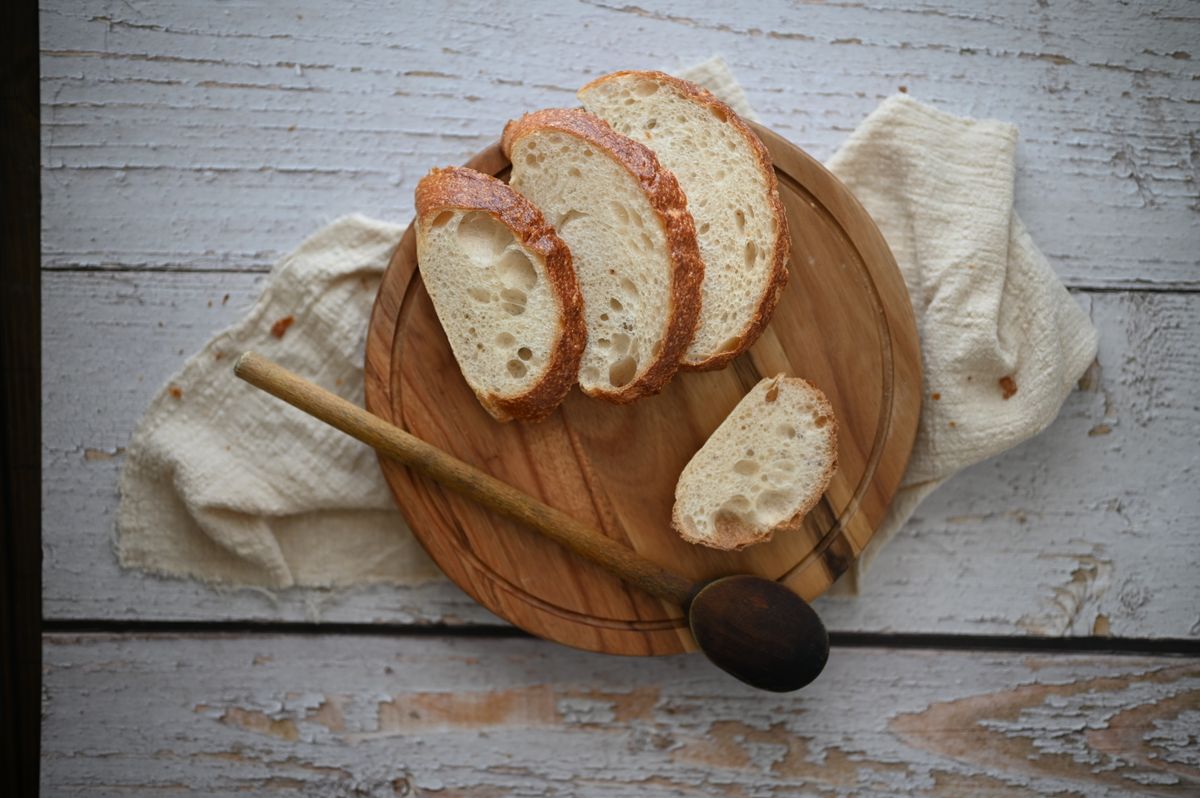
Can wooden spoons scratch nonstick pans?
No. High-quality wooden utensils feature smooth, non-abrasive edges that glide across PTFE and ceramic surfaces without scratching. As detailed in the main guide, wood fibers yield under pressure, making them far safer than stainless steel or hard plastics.Is teak wood better than standard wood for nonstick utensils?
Yes. Teak possesses a Teak Janka Rating of 1,000-1,150 lbf, making it significantly harder and more water-resistant than bamboo or soft woods. Teak Utensils resist splintering and rough edges, ensuring long-term safety for delicate pan linings.Can I put wooden utensils in the dishwasher?
No. Dishwasher heat and high-volume water pressure break down protective lacquer coatings and dry out natural wood fibers, leading to cracks. Hand wash your utensils with mild soap and water, then air dry completely.Do wooden spoons absorb heat from hot pans?
Unlike metal utensils, wood is a poor conductor of heat. Handles remain cool to the touch even during prolonged boiling or simmering, making cooking safer and more comfortable.How long do teak wooden utensils last?
When hand-washed and properly maintained, teak utensils can last a lifetime. Premium teak sets offer lasting reliability in nonstick kitchens.Read the full guide: The Complete Guide to Nonstick Cookware Safety: Are Wooden Spoons Safe for Nonstick Pans?
cluster-generatorclusterfaq