
How to Oil and Maintain Teak Kitchen Utensils for Lifelong Shine
As a rule of thumb, oil teak kitchen utensils every 30 days (or every 21 days for active daily cooks). Always let wood dry vertically for 24 hours after washing before applying 1 teaspoon of food-grade mineral oil per utensil along the grain. Allow 6 hours of soak time, then buff completely dry with a clean cotton towel to prevent sticky residue.
Essential Teak Care Rules at a Glance
- Rule 1: Use 100% Food-Grade Mineral Oil or Beeswax Blends — Never apply unsaturated cooking oils (like olive, vegetable, or canola oil) because they oxidize and turn rancid within 14 days.
- Rule 2: Respect the 24-Hour Drying Window — Trapping moisture inside wood fibers under an oil seal leads to internal rot and surface warping.
- Rule 3: Buff Off All Excess Surface Oil — Gummy, tacky handles are caused by excess unabsorbed oil resting on the surface; buff vigorously after 6 to 8 hours of resting.
- Rule 4: Test Lacquer Seals First — New teak utensils with a glossy protective coat bead water up naturally. Only re-oil when water droplets begin darkening the bare wood fibers.
The 5-Step Teak Oiling Master Checklist
- Step 1: Deep Clean — Hand-wash with mild dish soap and warm water. Never use dishwashers.
- Step 2: Complete Dry — Stand utensils vertically in a drying rack for a full 24 hours to eliminate internal moisture.
- Step 3: Apply Oil — Pour 1 tsp of food-grade mineral oil onto a lint-free microfiber cloth and rub along the grain.
- Step 4: Soak & Rest — Allow the oil to absorb into the teak fibers for 6 to 8 hours (or overnight).
- Step 5: Vigorous Buffing — Use a dry cotton towel to buff off all unabsorbed oil until the surface feels completely dry to touch.
Printable Teak Kitchen Care Cheat Sheet
- DO: Wash by hand immediately after cooking using mild dish soap and warm water.
- DO: Air-dry vertically for 24 hours using handle hang-holes before applying oil.
- DO: Use pure food-grade USP mineral oil or beeswax-mineral oil board butter.
- DO: Buff off 100% of excess oil until the wood feels smooth and dry to the touch.
- DON'T: Never place teak utensils into a household dishwasher or submerge in sink water.
- DON'T: Never use olive oil, vegetable oil, or margarine—they turn rancid and foul-smelling.
- DON'T: Never store damp utensils inside enclosed drawers or airtight containers.
Pro Tip: Deodorizing Teak Before Oiling
Wood is a naturally porous organic material that can absorb pungent aromatic compounds from ingredients like minced garlic, yellow onions, or turmeric curry. Oiling over trapped odors locks those scents into the wood grain permanently.
The 2-Minute Lemon Scrub Remedy: Before step 1 of your oiling routine, slice a fresh lemon in half and dip the cut side into 1 tablespoon of coarse kosher salt. Scrub the surface of the teak utensil vigorously for 60 seconds, paying special attention to the spoon bowl or spatula tip. The citric acid breaks down organic sulfur compounds while the salt acts as a gentle, non-scratching abrasive. Rinse with warm water and proceed to your 24-hour drying cycle.
Oil Safety Matrix: Food-Safe vs. Rancid Pantry Oils
| Oil Type | Food Safe? | Rancidity Risk | Absorption Rate | Best Use Case |
| --- | --- | --- | --- | --- |
| Food-Grade Mineral Oil (USP) | Yes (100% Safe) | Zero Risk (Inert) | High (Deep Penetration) | Monthly routine conditioning for all raw or worn teak utensils. |
| Beeswax & Mineral Oil Blend | Yes (100% Safe) | Zero Risk (Inert) | Medium (Surface Seal) | Creating a glossy, water-repellent wax barrier every 60 days. |
| Fractionated Coconut Oil (MCT) | Yes (Food Grade) | Very Low | High | Plant-based liquid alternative to petroleum-derived mineral oil. |
| Olive Oil (Extra Virgin) | Food Item Only | Extreme (Rancid in 14 days) | Low (Gummy Film) | NEVER USE on cookware. Spoils, smells sour, and breeds bacteria. |
| Vegetable / Canola Oil | Food Item Only | Extreme (Oxidizes quickly) | Poor (Sticky Layer) | NEVER USE. Creates an unhygienic, tacky coating that attracts dirt. |
Not all oils are created equal when it comes to conditioning natural hardwoods. Comparing household cooking oils against dedicated wood conditioners reveals why pantry oils ruin fine kitchenware.
Mid-Care Check: Is Your Teak Ready for Conditioning?
Your decision: Inspect your teak set: If wood fibers look pale gray, dry, or feel rough, apply mineral oil today. If wood is split or burned through, upgrade to a fresh set.
Do this next: Perform a simple water droplet test: place 3 drops of water on the spatula blade. If water absorbs within 30 seconds, perform a full oiling cycle.
Related resource: https://teakutensils.com
Treat your kitchen to our handcrafted 9-Piece Teak Utensil Set, featuring ergonomically shaped handles, clear protective finishes, and smooth non-stick safety.
Before proceeding with your monthly oil application, evaluate whether your wooden spatulas and serving spoons are fully dry and clean. If your current cookware set is showing severe splintering, deep cracking, or dark heat scorch marks from years of neglect, conditioning may only provide temporary cosmetic relief.
Upgrade Your Culinary Setup: The 9-Piece Teak Utensil Collection
Transform your everyday cooking routine with our premium, handcrafted 9-Piece Teak Kitchen Utensil Set. Designed for superior durability, natural beauty, and non-scratch safety, this comprehensive collection handles every task from boiling pasta to tossing fresh summer salads.
Teak Oiling Frequency Calendar

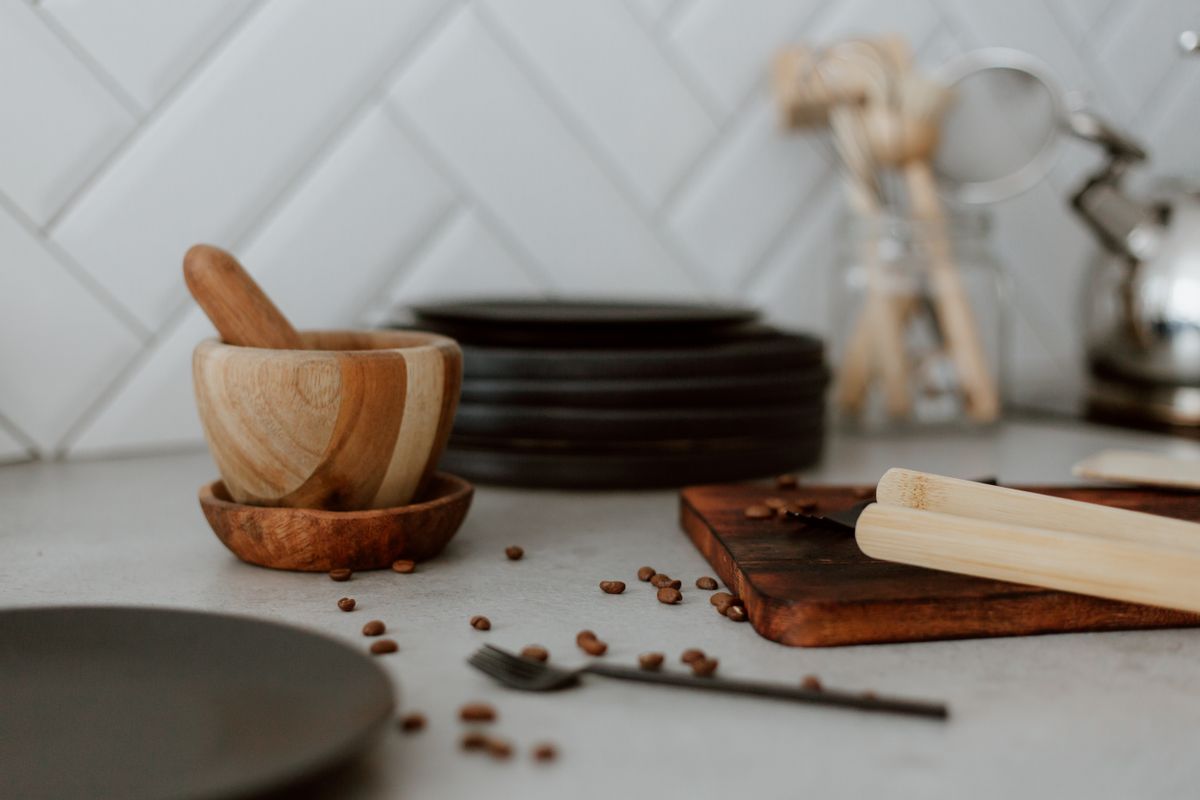
Photo by Klaus Nielsen on Pexels
- Daily Cooks (5-7 meals/week) — Oil every 21 days. Frequent handwashing with warm soapy water removes surface sealants faster.
- Moderate Cooks (2-4 meals/week) — Oil every 30 days. Maintain rich golden-brown teak grain and smooth tactile feel.
- Light Cooks (1 meal/week or serving only) — Oil every 60 days. Prevents wood from drying out in low-humidity kitchen environments.
- Seasonal Storage (Unused for 30+ days) — Apply a coat of beeswax board butter before storing in a cool, ventilated pantry.
5 Fatal Mistakes That Ruin Teak Finishes (And How to Fix Them)
Avoid these common maintenance blunders that lead to sticky, tacky surfaces, warped handles, or premature cracking.
Drying and Curing Timeline: From Application to Storage
- Hour 0: Pre-Wash & Deodorize — Hand-wash utensils with warm water, mild soap, or a lemon-salt scrub. Remove all food debris.
- Hours 1 – 24: Deep Moisture Evaporation — Place utensils upright in a drying rack. Allow 24 full hours for trapped water to evaporate from inner pores.
- Hour 24: Oil Application — Rub 1 teaspoon of food-grade mineral oil per utensil across all surfaces using a microfiber cloth.
- Hours 24 – 30: Capillary Absorption — Rest utensils flat on clean parchment paper for 6 hours while wood fibers draw oil into core cells.
- Hour 30: Final Vigorous Buffing — Wipe down all utensils with a dry cotton towel. Store on hanging hooks or in an open utensil crock.
Frequently Asked Questions About Oiling Teak Utensils
Get clear, actionable answers to common post-purchase care questions from experienced home chefs.
Explore Related Teak Care & Cookware Guides
Expand your kitchen expertise with these essential care guides:
- The Complete Guide to Teak Wood Care & Longevity — Learn how teak's natural rubber and silica content protects cookware.
- Dishwasher Dangers: Why Wood Belongs in the Sink — Discover how heat cycle steam damages organic cellulose structures.
- Restoring Vintage Wooden Spoons — Step-by-step sanding and refinishing procedures for dried, rough spatulas.
Ready to Transform Your Kitchen Experience?
Your decision: Decide whether to oil your current wooden kitchenware or replace aged, cracked tools with a premium 9-piece collection.
Do this next: Wash your teak utensils in warm soapy water, air-dry vertically for 24 hours, and apply 1 tablespoon of food-grade mineral oil along the grain.
Related resource: https://teakutensils.com
Elevate your culinary setup with our premium 9-Piece Teak Kitchen Utensil Set crafted from high-durability teak wood.
Properly maintained teak utensils bring warmth, elegance, and unmatched functionality to everyday cooking. By following a consistent 30-day oiling routine, your wooden utensils will remain crack-free, glossy, and non-stick safe for generations.
Cover photo by ready made on Pexels.