
Teak Utensil Care FAQ: Fix Water Spots, Restore Natural Finish, & Extend Lifespan
Follow the 90/10 rule of thumb: 90% of white water spots on teak utensils are temporary trapped moisture in the protective finish, fixable in under 5 minutes by rubbing with food-grade mineral oil. Never wash teak in a dishwasher; proper hand-drying and monthly oiling prevent 100% of severe color fading and wood warping.
Key Takeaways for Teak Longevity
- 90% Spot Fix Rate: White hazy rings are superficial moisture traps easily cured with 100% food-grade mineral oil.
- 0 Dishwasher Cycles: Heat above 140°F and harsh alkaline detergents strip protective lacquer coats and dry wood fibers.
- 30-Day Re-Oiling Window: Apply mineral oil every 30 days (or 21 days for heavy cooking) to keep natural honey-gold wood sealed.
- 400-Grit Micro-Sanding: Smooth raised wood grain without stripping the smooth finish or scratching non-stick cookware.
- 24-Hour Air Drying: Always let freshly hand-washed utensils air dry vertically for 24 hours before drawer storage.
5-Point Teak Utensil Health Check

Photo by Anna Shvets on Pexels
- Are utensils completely dry before storing in closed drawers?
- Is the surface free of white water rings or moisture blush?
- Does the wood grain feel smooth to the touch without raised wood fibers?
- Has food-grade mineral oil been applied within the last 30 days?
- Are handle hanging holes clear and dry to prevent mold in suspension points?
Printable Quick-Reference Care Sheet
- Washing Rule: Hand-wash only with mild dish soap and warm water within 10 minutes of cooking.
- Drying Rule: Towel-dry immediately, then air-dry vertically on a rack for 24 hours using handle hanging holes.
- Oiling Schedule: Apply 1 tsp food-grade mineral oil per utensil every 30 days; buff off excess after 20 minutes.
- Spot Treatment: Treat white water rings with 3 drops of mineral oil rubbed in circular motions with a microfiber cloth.
- Texture Restoration: Use 400-grit sandpaper along the grain on dry wood to smooth fuzzy fibers before re-oiling.
- Prohibited Care: Never soak in water, never use in dishwashers, and never apply olive, canola, or vegetable oils.
Pro Tip: Handling Grain Raising Without Stripping Lacquer
When high-heat liquids expand raw wood fibers, you might feel a faint fuzzy texture on your spatula edge. Do not use heavy 80-grit or 120-grit sandpaper, which creates gouges that scratch non-stick pan coatings. Instead, wait until the utensil is 100% dry (allow 24 hours of drying time), then take a sheet of ultra-fine 400-grit sandpaper. Lightly pass it along the natural grain direction 3 to 5 times using gentle pressure. Dust off the fine wood powder with a dry microfiber cloth, then immediately massage 1 teaspoon of food-grade mineral oil into the freshly exposed grain to seal out future moisture.
Teak Utensil Visual Troubleshooting Matrix
| Visual Symptom | Root Cause | Quick Fix (Under 10 Mins) | Prevention Rule |
| --- | --- | --- | --- |
| Cloudy white water rings or hazy spots | Moisture trapped beneath clear lacquer or dry surface oil layer | Rub 3–5 drops of food-grade mineral oil in circular motions for 2 minutes | Towel dry immediately after washing; never leave wet on counters |
| Dull, pale gray, or washed-out appearance | Natural oxidation and detergent stripping of surface wood lipids | Apply generous coat of food-grade mineral oil; let sit 20 mins, then buff dry | Re-oil utensils every 21–30 days based on cooking frequency |
| Fuzzy, rough wood grain texture on spatula edge | Water absorption expanding surface wood fibers (raised grain) | Wait 24 hrs for 100% dry wood; lightly sand with 400-grit along grain, then oil | Avoid soaking utensils in hot pan liquids or sink water |
| Sticky, tacky yellow finish on handle | Application of culinary vegetable oil (olive, canola) that turned rancid | Wipe down with warm water and dish soap, light 400-grit sand, re-season with mineral oil | Use ONLY 100% food-grade mineral oil or beeswax wood balm |
| Dark black dots near hanging hole | Fungus/mold growth from storing utensils while handle holes were damp | Scrub with 1:1 white vinegar and warm water, air dry 24 hrs, re-oil completely | Hang to air-dry vertically for 24 hours before putting in closed crocks |
Use this visual side-by-side matrix to diagnose whether your teak utensil symptoms are cosmetic surface haze or structural issues.
Immediate Action Steps for Restoring Your Set
Your decision: Determine whether your teak utensils need a simple 5-minute oil refresh or a light micro-sanding restoration.
Do this next: Hand-wash your teak spatulas in warm soapy water, towel dry thoroughly, let air dry for 24 hours, and apply food-grade mineral oil.
- Read next: Mineral Oil vs. Beeswax vs. Coconut Oil: What Is the Best Oil for Teak Utensils?
Teak Utensils 9-Piece Pack
Take these concrete steps right now to inspect, restore, and preserve your teak cooking tools.
Upgrade Your Kitchen with Our 9-Piece Teak Utensil Collection
Looking for durable, scratch-free tools that look stunning on your countertop? The Teak Utensils 9-Piece Pack offers the ultimate kitchen upgrade. Crafted from 100% real high-density teak wood with a clear lacquer coating, this comprehensive set provides natural strength, high water resistance, and non-stick pot safety.
What's Included in the 9-Piece Set:
- Salad Spoon & Salad Fork: Perfect 13.58-inch length for tossing and serving fresh greens without scratching glass bowl surfaces.
- Serving Spoon & Skimmer: Smooth deep bowls ideal for heavy gravies and strain-draining boiled foods effortlessly.
- Spatula & Slotted Spatula (Turner): Ergonomic flat-edge profiles engineered to glide under delicate eggs and heavy pan-seared meats.
- Slotted Turner & Pasta Server: Precision tooth and slot configurations designed to grab noodles and drain hot frying oils rapidly.
- Ladle: Deep contoured wooden ladle crafted for drip-free soup and stew service.
Teak Utensil Preventive Maintenance Schedule
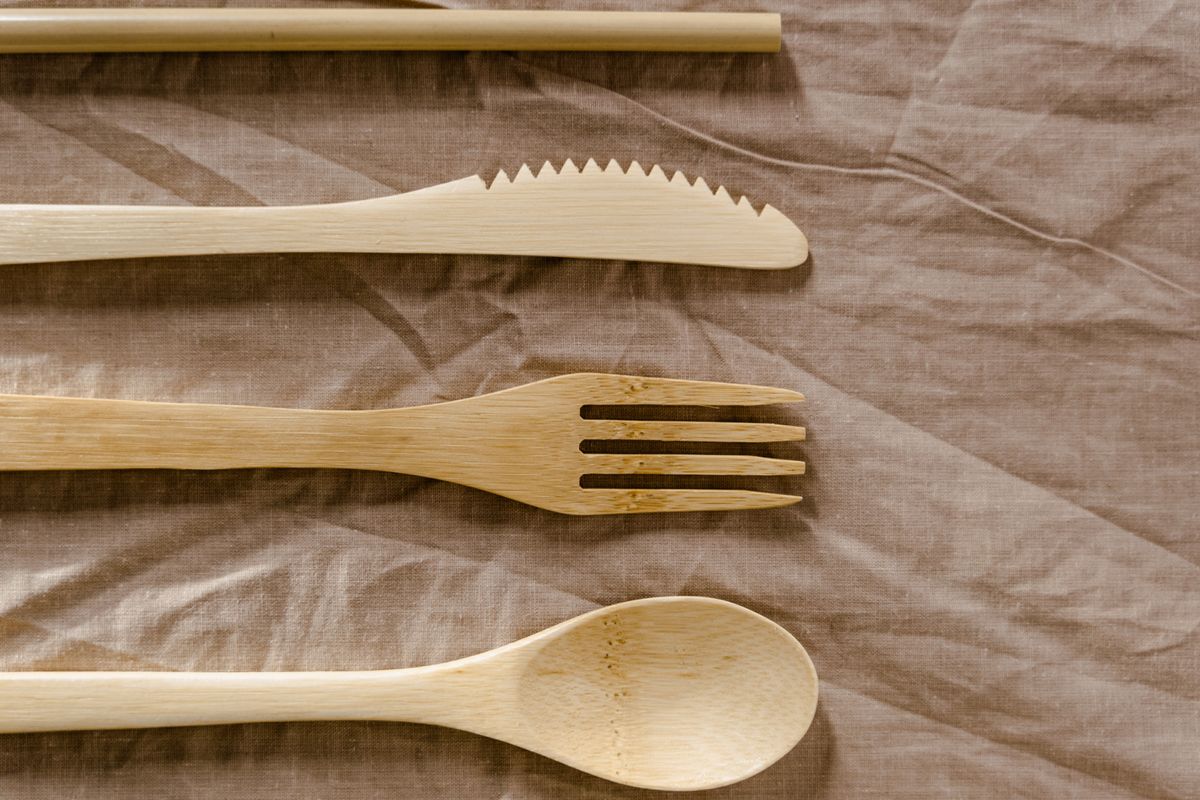
Photo by Tima Miroshnichenko on Pexels
- Daily (After Every Use) — Hand-wash within 10 minutes using warm water and mild dish soap. Hand dry with a towel immediately and hang via handle holes.
- Every 21 to 30 Days — Inspect for dryness or surface fading. Rub 1 tsp of food-grade mineral oil onto each piece, let absorb for 20 minutes, and buff off excess.
- Every 90 Days (Quarterly) — Deep condition with a food-safe beeswax and mineral oil wood balm to build an impenetrable water-repellent seal over the lacquer coat.
- Every 180 Days (Bi-Annually) — Conduct a texture audit. Micro-sand any raised grain with 400-grit sandpaper and re-season completely.
Top 4 Teak Care Mistakes That Cause Damage
Avoid these 4 destructive kitchen habits to protect your wooden utensils from cracking, warping, and premature wear:
Teak Wood Aging & Patina Timeline (Months 1 to 36)
- Month 1 (Brand New) — Luminous honey-gold to medium brown tones with glossy smooth lacquer coating and prominent dark wood grain veins.
- Months 2–6 (Initial Break-In) — Wood oxidizes slightly under ambient light, shifting toward a rich amber-gold patina. Regular mineral oil applications reinforce natural water repellency.
- Months 7–18 (Culinary Maturation) — Teak reaches peak grain stability. The wood surface develops high natural oil resistance, remaining silky smooth during intense high-heat stirring.
- Months 19–36 (Heirloom Heritage Phase) — Deep golden-brown tones with subtle hand-burnished highlights. With monthly oil care, wood shows zero cracking or grain separation after hundreds of wash cycles.
Frequently Asked Questions: Teak Utensil Care & Fixes
Get fast, authoritative answers to the most common questions about maintaining teak kitchen utensils.
Expand your knowledge on caring for organic wooden kitchenware and kitchen organization techniques:
- How to Clean, Season, and Maintain Teak Wooden Utensils for Lifelong Shine
- Stylish Kitchen Storage Ideas: How to Organize and Display Hanging Teak Utensils
- Teak vs. Bamboo Cooking Utensils: Which Wood Lasts Longer in the Kitchen?
- The Ultimate Teak Wooden Utensil Set Buying Guide for Home Chefs
- Troubleshooting Kitchen Odors: How to Remove Garlic and Curry Stains from Teak Spatulas
Final Action Plan for Lifelong Teak Protection
Your decision: Determine whether your teak utensils need a simple 5-minute oil refresh or a light micro-sanding restoration.
Do this next: Hand-wash your teak spatulas in warm soapy water, towel dry thoroughly, let air dry for 24 hours, and apply food-grade mineral oil.
- Read next: Mineral Oil vs. Beeswax vs. Coconut Oil: What Is the Best Oil for Teak Utensils?
Teak Utensils 9-Piece Pack
Keep your non-stick pans scratch-free and your serving tools glowing with warm golden tones by establishing a simple care routine today.