How to Choose the Best Teak Wooden Serving Utensils for Hosting & Dinner Parties
The best teak wooden serving utensils for hosting and dinner parties are a matched salad spoon and salad fork, a serving spoon, and a ladle, plus a pasta server when noodles are on the menu. Choose high-quality teak with a smooth, lightweight grip and a Janka hardness around 1,000–1,150 lbf so pieces survive passing, plating, and a crowded buffet. A 9-piece set that also includes a skimmer, spatula, turner, and slotted turner can cook on non-stick pans, then move to the table after a rinse and a full dry. Skip mystery-soft woods and metal servers that scratch coatings.
What a dinner party actually needs on the table
Hosting is a logistics problem dressed as hospitality. Guests need a way to lift salad, scoop a side, and serve a sauce or soup without fishing through a junk drawer. Teak wooden serving utensils solve that when the shapes match the food: a salad spoon and salad fork for greens, a serving spoon for grains and roasted vegetables, and a ladle for broth, chili, or gravy.
A pasta server belongs next to long noodles and sauced shapes. A slotted turner or skimmer is not a salad fork. Using the wrong silhouette makes a buffet look improvised even when the food is excellent.
If the same tools also work the stove, the host is not juggling two kits. High-quality teak that is safe for non-stick cookware can leave the skillet, get rinsed, dry fully, and sit beside the platter. That is the hosting advantage of a complete teak set rather than a single decorative spoon.
Serving pieces versus cooking pieces in a 9-piece teak set
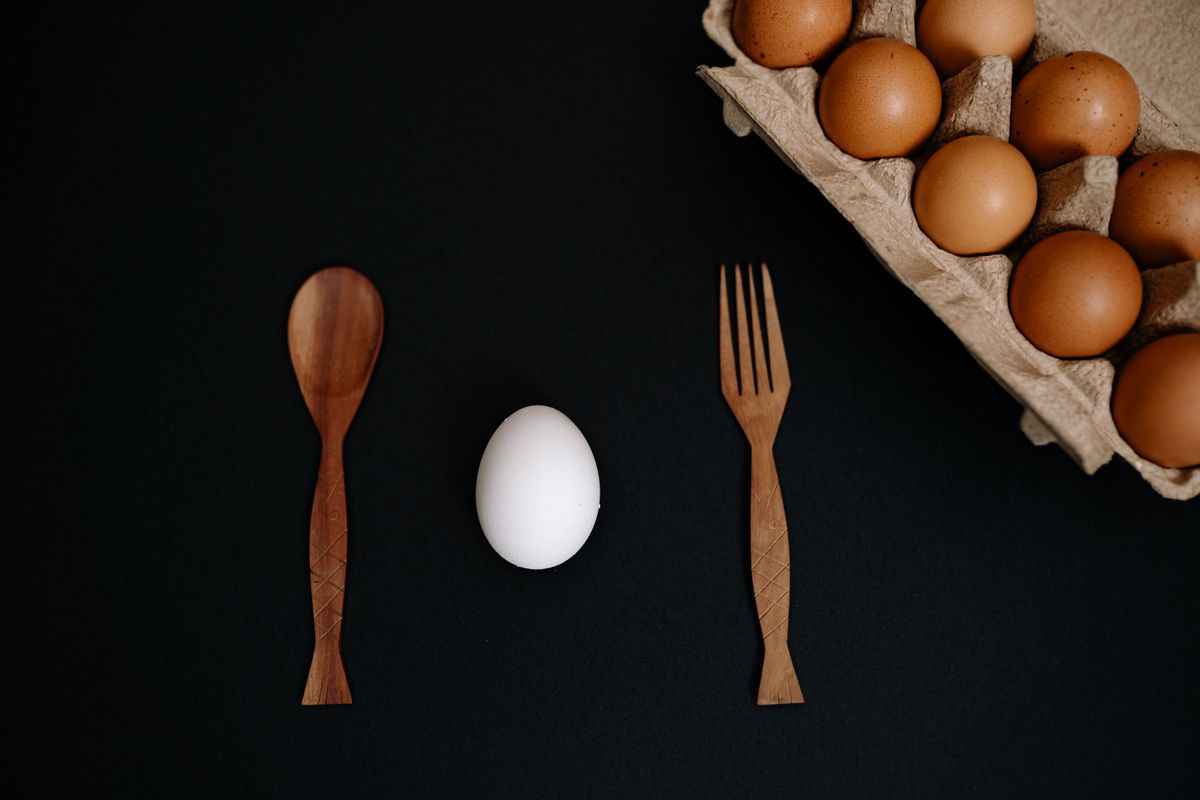
Photo by Yan Krukau on Pexels
A 9-piece teak kitchen utensil set typically includes a salad spoon, salad fork, serving spoon, skimmer, spatula, turner, ladle, pasta server, and slotted turner. The first three plus the ladle and pasta server are the dinner-party core. The rest earn their keep earlier, at the burner.
Do not buy a “serving set” that is only two oversized salad paddles if the menu also includes soup and pasta. Do not buy a drawer of spatulas and hope guests will plate with them. Choose the set that covers both jobs, then assign tools to stations: cooking tools by the stove, serving tools on the table or sideboard.
Handle holes make that split easy. Hang the cooking tools to dry; park the salad pair in a crock or on a rest beside the bowl. Lightweight teak with a smooth grip is easier to pass than a heavy metal service set that clangs on ceramic.
How to match servers to the menu
Write the menu, then assign a tool. Leafy salad: salad spoon and salad fork, used as tongs. Grain salad or slaw: serving spoon plus the salad fork for lift. Soup or stew: ladle, and a rest so the bowl rim stays clean. Long pasta: pasta server. Short pasta or roasted vegetables: serving spoon. Fried or wet items that need draining: skimmer or slotted turner, then a dry serving spoon for the platter.
For a seated dinner, two stations are enough: salad pair on the table, ladle and serving spoon on the sideboard. For a buffet, give every dish its own tool so guests are not dipping a salad fork into the tiramisu.
Teak is real wood, so shade and grain will vary from piece to piece. That variation reads as a set, not a defect, especially when the finish is a clear lacquer that keeps a glossy look under candlelight.
Hardness, grip, and why teak belongs next to non-stick pans
Teak’s Janka rating of about 1,000–1,150 lbf is the practical reason a serving spoon can also stir a pan. The wood is hard enough for daily use, smooth enough not to chew a non-stick coating, and light enough to pass down a table without wrist fatigue. “Safe for non-stick cookware” is a hosting feature, not only a cooking claim: the same spatula that folded eggs can plate them.
Metal serving spoons look formal and then scratch the skillet used for last-minute reheating. Soft, unnamed woods look warm and then fuzz after a season of dishwashers. Teak with a clear lacquer coating and high water resistance sits between those failures when it is hand-washed and dried completely.
A sliding gift box matters when the set is the host gift as well as the house tool kit. Birthdays, housewarmings, Christmas, and Thanksgiving are the usual occasions. Open the box, wash, dry, then serve. Do not put the box in a steam-heavy cabinet and call that storage.
Finish, shade, and table presentation
Clear lacquer is there to hold a glossy finish, not to make teak dishwasher-safe. Rinse with soap and water after service, then let every piece dry completely before it returns to a crock or hook. Residual moisture trapped against other handles is how a beautiful salad fork picks up a sour smell.
Display the salad pair crossed on a linen napkin, or stand them in a crock with handles visible. The listed set length is 13.58 inches, so a low mug will flop the tools. Choose a crock or rest that keeps heads off the counter.
If a piece arrives with a different shade than its neighbor, that is real wood. Match them as a pair by shape, not by identical color. Guests notice function and cleanliness more than identical grain photos.
Which teak server belongs with which dish
| Dish | Reach for | Leave in the crock | | --- | --- | --- | | Green salad | Salad spoon and salad fork | Ladle | | Roasted vegetables or grains | Serving spoon | Pasta server | | Soup, chili, or gravy | Ladle | Slotted turner | | Long pasta | Pasta server | Salad fork | | Fried or drained items | Skimmer or slotted turner | Salad spoon |
Care that keeps servers looking like tableware
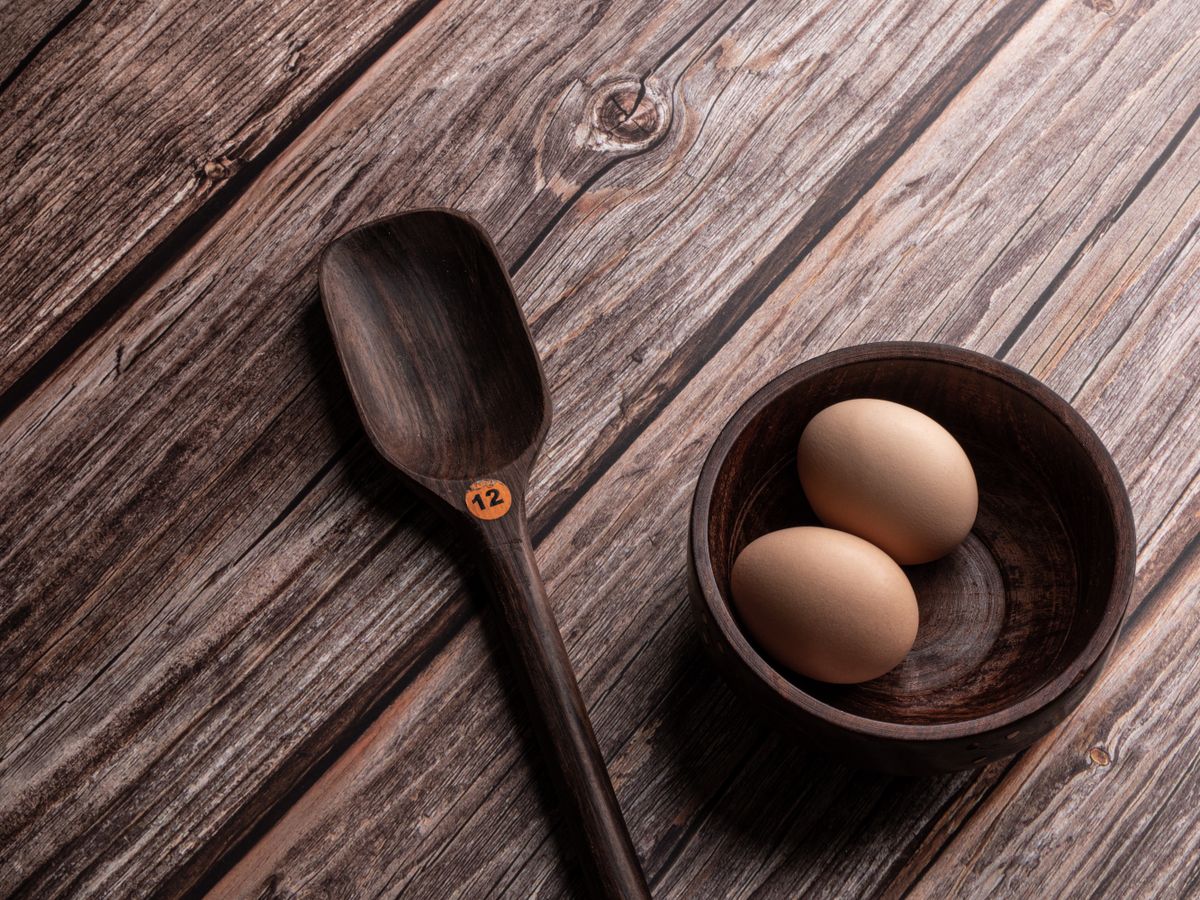
Photo by Pranjall Kumar on Pexels
After the last guest leaves, treat serving utensils like cookware, not like decor that can wait until morning in a wet heap. Rinse soap and water off the salad pair, serving spoon, and ladle. Stand them to dry, or hang them from the handle holes. Only then return them to the crock.
Do not soak teak overnight in the roasting pan. High water resistance is not a swimming lesson. Do not run a dishwasher cycle and hope the lacquer will forgive it. Hand-wash is the care path the finish is built for.
Our craftsman's promise is a backstop for manufacturing issues, not a license to steam-clean the wood. Keep the tools dry, keep them off live burners, and they stay the dinner-party kit instead of a drawer of fuzzy paddles.
Hosting checklist for teak wooden serving utensils
- [ ] Assign salad pair, serving spoon, and ladle to the menu.
- [ ] Add a pasta server if noodles are on the table.
- [ ] Keep cooking tools (skimmer, spatula, turner) at the stove.
- [ ] Hand-wash, then dry completely before the crock or hook.
- [ ] Give every buffet dish its own tool.
- [ ] Store hanging or in a tall crock so 13.58-inch handles do not flop.
Frequently asked questions
Can teak serving utensils go from the stove to the table?
Yes, if they are safe for non-stick cookware, rinsed, and fully dried. Do not carry a dripping spatula to the salad bowl.
Is a salad spoon enough without a salad fork?
A pair works as tongs. A single spoon dumps greens. Choose both when salad is the first course.
Do teak servers need to match the dinner plates?
No. Warm teak sits next to white ceramic, stoneware, and linens. Shade variation inside the set is normal.
How many serving utensils for eight guests?
Plan one dedicated tool per dish, plus the salad pair. A 9-piece teak set covers a typical dinner-party spread.
Are teak serving utensils a reasonable host gift?
A complete set in a sliding gift box is a usable gift for housewarmings and holidays, not a novelty that sits in a closet.
Related reading
These guides cover table settings, salad servers, and the 9-piece set that doubles as dinner-party service.
- how to integrate teak utensils into modern table settings
- review of handcrafted teak salad servers
- product spotlight on the 9-piece teak utensil set
- housewarming guide to teak wood salad servers
What to do next
List the dishes for the next dinner, then lay out a salad pair, serving spoon, and ladle. If noodles are on the menu, add the pasta server. Wash and dry the set so it is ready before guests arrive, not after the first bowl is already on the table.