
Teak vs. Bamboo Utensils Durability: Which Holds Up Best in the Kitchen?
Should you buy budget bamboo utensils or invest in solid teak for your kitchen? The clear choice for long-term durability is solid teak. Teak is a dense, oil-rich hardwood that naturally resists water, heat, and splintering. Bamboo is compressed grass held together by glue seams, which quickly delaminates, frays, and absorbs stains when exposed to daily cooking heat and moisture.
Head-to-Head Kitchen Performance by Cooking Scenario
| Kitchen Scenario | Laminated Bamboo Performance | Solid Teak Hardwood Performance | Durability Winner |
| --- | --- | --- | --- |
| | | | |
| | | | |
| | | | |
| | | | |
Here is how solid teak hardwood compares directly to glue-laminated bamboo grass across realistic daily cooking situations.
Failure Modes & Structural Strengths: Teak vs. Bamboo Pros & Cons
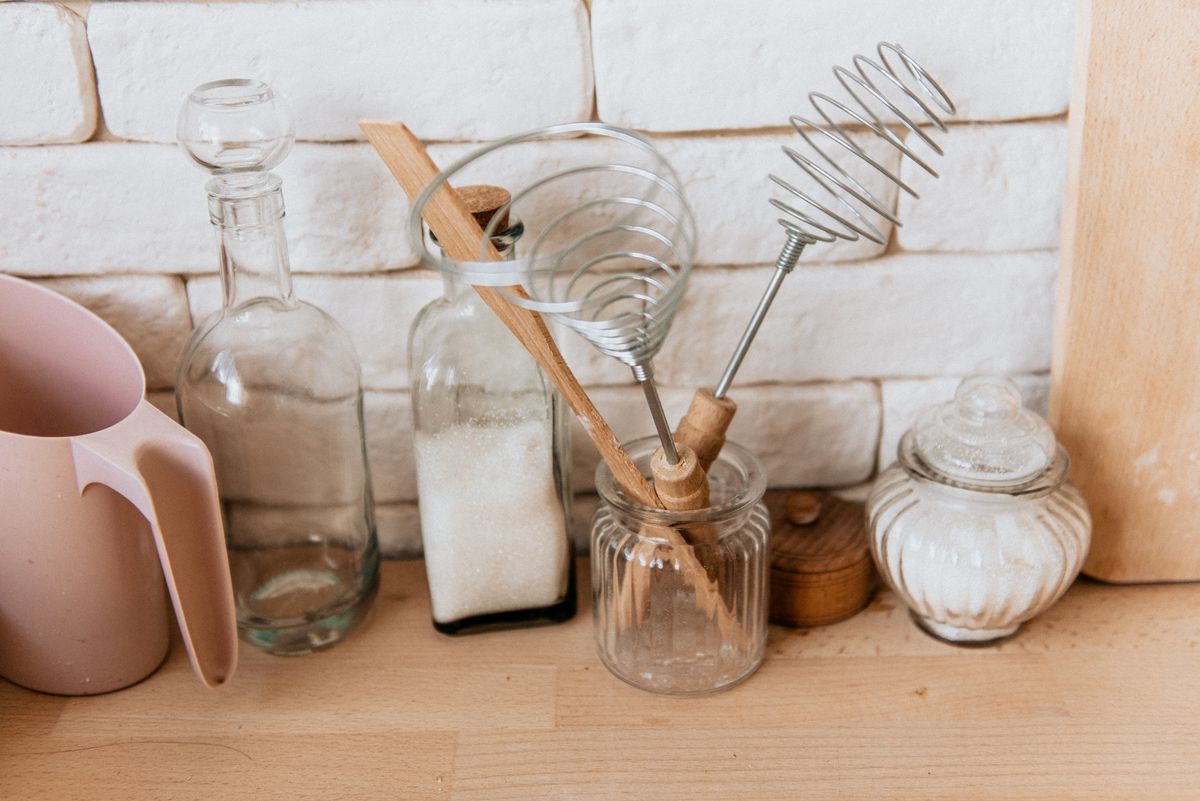
Photo by Dmitry Zvolskiy on Pexels
When choosing kitchen tools, understanding how materials fail under pressure is crucial for making a smart investment.
The Chef's Recommendation: Why Solid Teak Wins for Daily Cooking
For home cooks who want beautiful, reliable tools that will not splinter after a few months of active use, solid teak is the definitive winner. While bamboo offers a cheap entry point, its glued construction introduces inherent points of structural failure. Investing in a premium teak set eliminates the hassle of constant replacements while protecting your delicate non-stick cookware.
Ready to elevate your culinary space with tools built for a lifetime? Invest in our signature 9-Piece Teak Kitchen Utensil Set at teakutensils.com. Complete with an elegant sliding gift box, smooth protective finish, and backed by our craftsman's promise, it is the ultimate upgrade for your kitchen.
Key Takeaways: Why Material Science Favors Teak
- Solid Hardwood vs. Glued Grass: Teak is carved from single hardwood blocks, whereas bamboo consists of grass strips glued together under high pressure.
- Natural Moisture Defense: Teak contains dense silica and rich natural oils that actively repel liquid penetration and thermal warping.
- Non-Stick Pan Protection: Smooth teak contours prevent surface scratching on delicate Teflon, ceramic, and enameled cookware.
- Superior Long-Term Value: Purchasing a durable solid teak set eliminates the recurring expense of replacing frayed bamboo sets every 12 to 18 months.
Decision Framework: Matching Utensils to Your Cooking Style
Teak is the superior long-term investment for active kitchens due to its solid hardwood integrity and natural moisture resistance. Bamboo suits ultra-low-budget or temporary setups.
Best choice for
- Solid Teak Utensils — Teak's continuous wood grain and natural oils prevent thermal splitting and liquid saturation without chemical glues.
- Laminated Bamboo Utensils — Low initial price point makes bamboo acceptable when long-term durability and non-stick protection are low priorities.
- You intend to clean kitchen tools in an automatic dishwasher.
- You prefer heavy, rigid stainless steel utensils over lightweight, scratch-safe wooden tools.
- Acacia Wood Utensils — Dense hardwood with attractive grain contrast, though slightly less moisture-resistant than oil-rich teak.
- Food-Grade Silicone Utensils — Waterproof and dishwasher-safe, but lacks the organic warmth, rigid structural strength, and natural beauty of teak wood.
Featured Utensil Set: The Complete 9-Piece Teak Collection
Transform your culinary routine with the comprehensive 9-piece teak kitchen utensil set available directly at teakutensils.com. Designed to handle every cooking and serving task effortlessly, this versatile collection includes a salad spoon, salad fork, serving spoon, skimmer, spatula, turner, ladle, pasta server, and slotted turner.
- Top-Notch Quality: Crafted from high-quality teak wood, providing exceptional strength, lightweight ergonomics, and absolute safety for non-stick cookware.
- Premium Gift Packaging: Ships in a beautiful wooden sliding box, making it an ideal gift for housewarmings, birthdays, Thanksgiving, and holidays.
- Easy Cleaning & Storage: Protected by a glossy, water-resistant lacquer coating. Features convenient handle hanging holes for easy air drying and drawer organization.
- Dimensions & Promise: Measures 13.58"L x 4.13"W and is backed by our craftsman's promise. Enjoy beauty and functionality in every meal!
Kitchen Stress Tests: Heat, Water Immersion, and Scrubbing
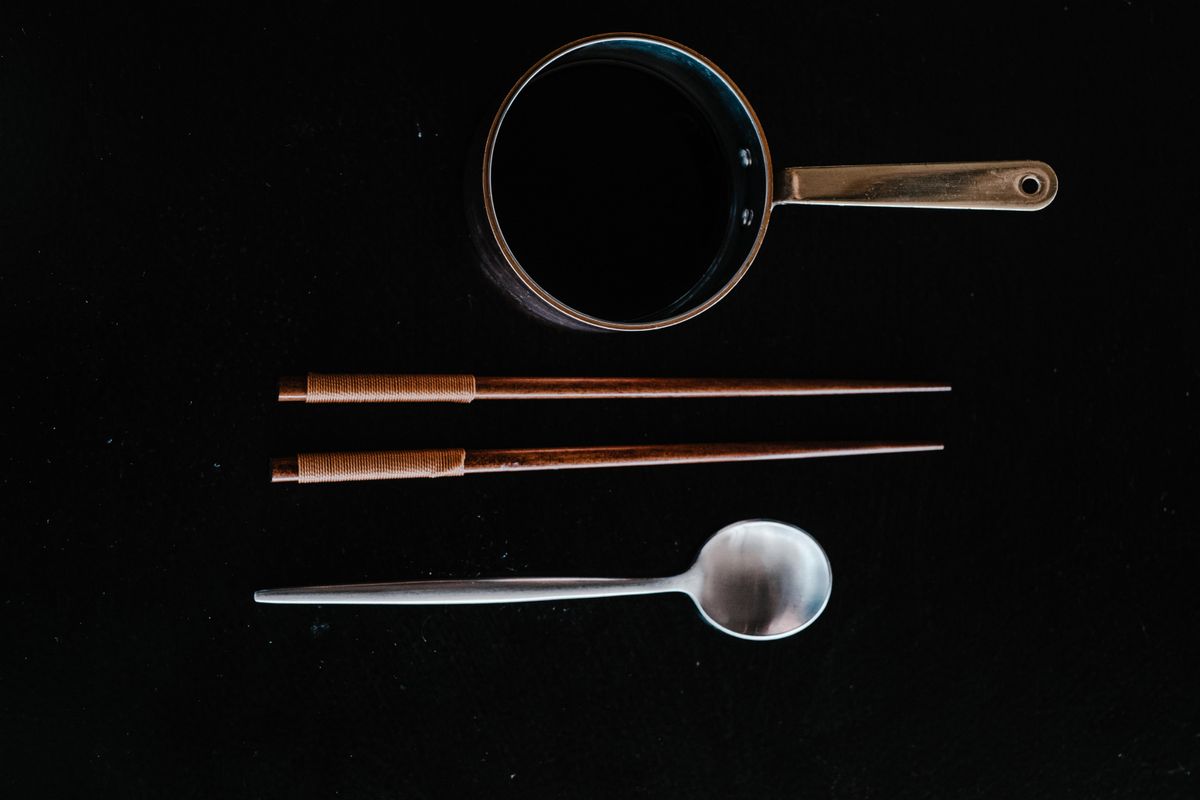
Photo by Rachel Claire on Pexels
Boiling Pasta Water & Soups (Moisture Stress Test) — Choose solid teak. Submerging bamboo in boiling liquid breaks down water-soluble glues, causing immediate strip separation. Teak's dense grain and natural oils repel boiling water effortlessly.
Frying & Searing on Cast Iron or Non-Stick (Heat Stress Test) — Choose solid teak. High heat scorches bamboo's thin surface fibers and dries out internal adhesives. Teak withstands high cooking temperatures without splintering or releasing chemical fumes.
Preparing Acidic & Staining Sauces (Stain & Odor Test) — Choose solid teak. Unsealed bamboo absorbs curry, tomato, and garlic odors deep into its porous fibers. Teak's protective finish prevents staining and odor retention.
To understand why teak consistently outperforms bamboo in culinary environments, one must examine the fundamental material science of both raw materials. Bamboo is not true wood; it is a fast-growing, hollow grass. To manufacture a flat spatula or curved ladle from bamboo, producers harvest thin vertical strips of grass and laminate them together under high pressure using synthetic glues and adhesive resins. While this process allows for low-cost mass production, every adhesive seam represents a critical failure point. Under the thermal stress of boiling pots and frequent hand washing, water infiltrates these glued seams, causing the adhesive to hydrolyze and break down. This leads directly to delamination, edge cracking, and fiber fraying.
In contrast, teak (Tectona grandis) is a slow-growing tropical hardwood with dense natural grain. A teak utensil is carved from a single solid piece of heartwood, eliminating the need for synthetic glues, chemical binders, or laminated layers. Teak naturally synthesizes high concentrations of natural resins and silica within its organic fibers. These natural oils create an internal waterproof barrier that prevents liquid absorption deep within the grain. Consequently, teak tools resist swelling, warping, and bacterial colonization naturally—ensuring long-lasting durability, smooth non-stick pan safety, and refined aesthetic beauty in your kitchen.
Related Guides on Wooden Utensil Care & Selection
- Should I Choose Teak Utensils or Bamboo for My Kitchen?
- Frequently Asked Questions About Teak Cooking Utensils
- Is Teak or Bamboo Better for Teak Utensils Kitchen Sets?
Frequently Asked Questions About Teak and Bamboo Utensils
Why do bamboo utensils splinter faster than teak?
Bamboo utensils are constructed from thin vertical strips of grass glued together. High heat and water weaken these adhesives and raise individual fibers, causing fraying and splintering. Teak is a solid piece of dense hardwood with natural oils holding the grain intact.
Can teak utensils scratch my non-stick cookware?
No. Smooth, finished teak wood is entirely safe for all delicate cookware surfaces, including Teflon, ceramic, and enameled cast iron.
Are bamboo utensils non-toxic if they contain glue?
While food-safe glues are typically used in bamboo utensils, the adhesives can degrade over time under thermal stress. Solid teak requires no chemical adhesives or synthetic binders.
How often do I need to oil teak utensils compared to bamboo?
Because teak is rich in natural oils, it requires far less frequent conditioning than bamboo, which dries out quickly if left untreated.
Your Next Steps for Upgrading Your Kitchen Tools
Your decision: Choose solid teak utensils for long-term kitchen reliability, non-stick safety, and natural moisture resistance.
Do this next: Upgrade to a comprehensive 9-piece solid teak set backed by our craftsman's promise to cover all cooking and serving needs.
- Read next: How to Oil and Maintain Teak Kitchen Utensils for Lifelong Shine
- Read next: Is Teak Wood Naturally Waterproof? Utensil Care FAQ
Transform your kitchen with the 9-Piece Teak Kitchen Utensil Set at teakutensils.com.