Why Teak Wood Is Superior for Cooking Utensils
Why Teak Wood Is Superior for Cooking Utensils
When upgrading your culinary tools, choosing the right material makes all the difference in daily performance. Among hardwood options, teak stands out as an exceptional material for culinary craft.
The Unique Density and Strength of Teak
!The Unique Density and Strength of Teak
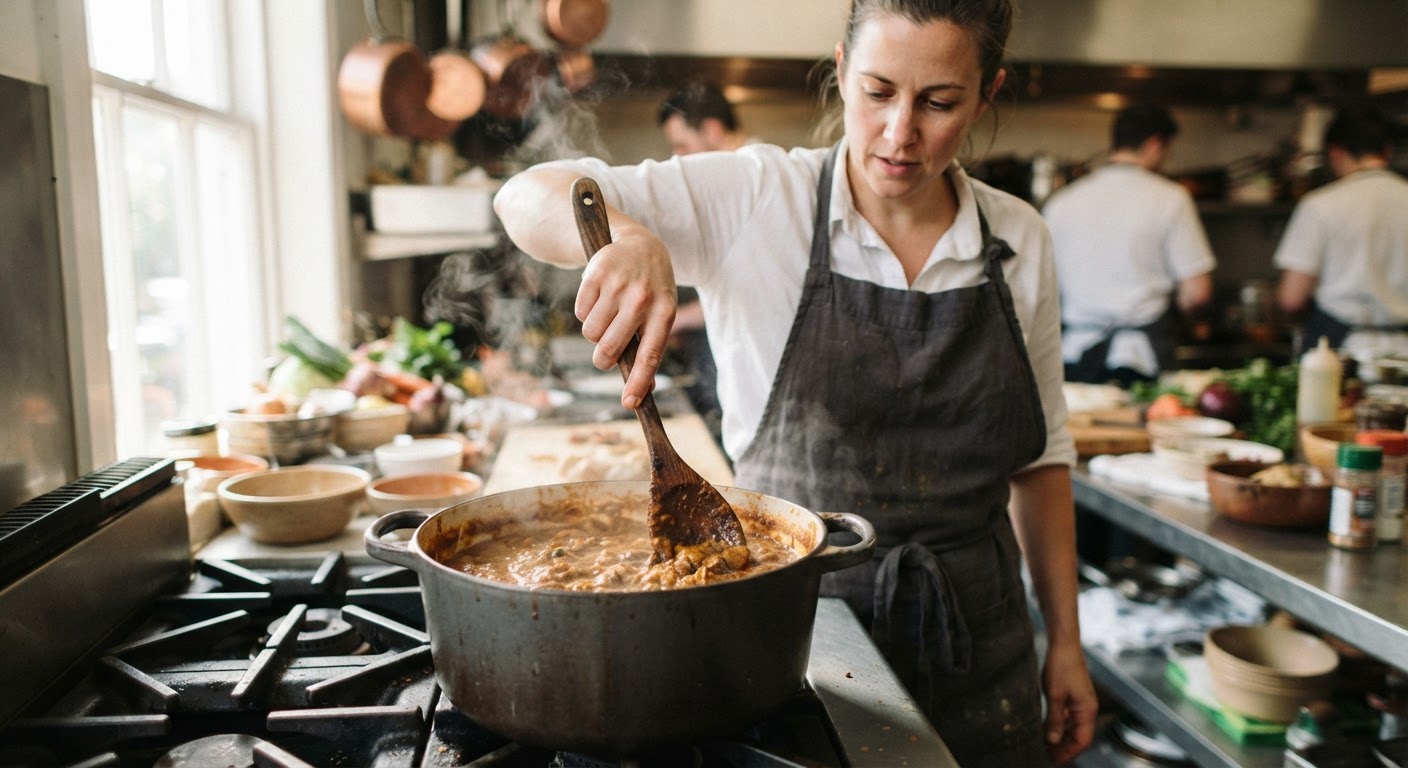
Teak wood is prized worldwide for its tight grain and dense structure. This strength gives crafted tools exceptional durability for everyday use. Unlike softwoods that splinter or gouge under pressure, teak handles heavy stirring, thick batters, and continuous scraping with ease.
Because real wood varies naturally in grain and finish, each piece offers a distinct visual character while delivering consistent physical resilience. For a deeper breakdown of material choices, explore [the main guide] on hardwood utensil performance.
Natural Water Resistance and Protection
!Natural Water Resistance and Protection
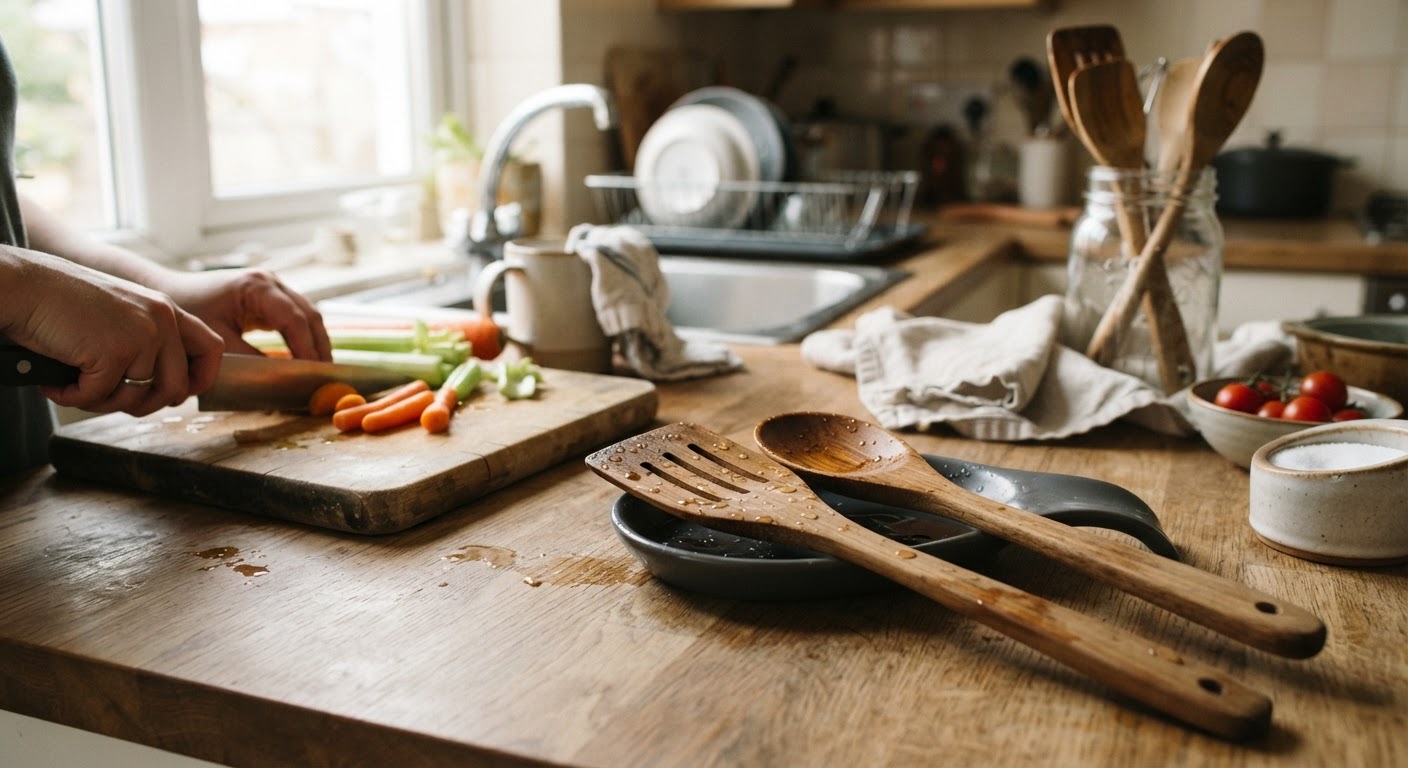
Moisture is the primary enemy of wooden kitchen tools. Teak possesses natural water resistance, which helps minimize water absorption during washing. When combined with a protective clear lacquer coating, teak utensils maintain their glossy finish and smooth surface far longer than untreated woods.
Preserving Your Non-Stick Cookware
Teak tools are lightweight, smooth to touch, and easy to grip, making them completely safe for non-stick cookware. You can cook at high temperatures without worrying about scratching sensitive pan coatings or melting synthetic materials into your meals.
Read the full guide: The Ultimate Guide to the Benefits of Using Wooden Kitchen Utensils