
Wooden Salad Servers vs. Plastic & Metal: Why Teak Wins for Table Presentation
Are plastic or metal salad servers ruining your dinner presentation? Cheap plastic flexes under weight and permanently stains from balsamic vinegar, while stainless steel scrapes loudly and scratches fine glass or ceramic bowls. High-quality teak wood servers offer non-scratch gentleness, zero tabletop clamor, rich natural grain, and natural oil resistance to acidic dressings.
Material Comparison Matrix: Teak Wood vs. Plastic vs. Stainless Steel
| Dining Scenario & Metric | Teak Wood Servers | Polycarbonate / Plastic Servers | Stainless Steel Servers |
| --- | --- | --- | --- |
| Serving in Delicate Glass or Glazed Ceramic Bowls | 100% scratch-free; soft organic contact protects hand-blown glass and delicate bowl glazes. | Scratch-safe initially, but micro-burrs on aging plastic can dull glossy bowl interiors. | High risk of permanent surface scratching and dark metal scuff marks on porcelain. |
| Acoustic Noise During Table Tossing | Silent, warm contact; completely dampens harsh clatter during meal service. | Quiet contact, though lightweight plastics produce a cheap, hollow clicking sound. | Loud metal-on-glass or metal-on-ceramic scraping noise that disrupts table conversation. |
| Resistance to Acidic Dressings & Balsamic Stains | High natural oil content and clear lacquer finish repel vinegar, lemon, and oil discoloration. | Highly prone to yellowing, oil absorption, and dark balsamic or beet juice staining. | Impervious to acid and stains; will not discolor regardless of dressing exposure. |
| Tactile Handfeel & Thermal Comfort | Ergonomic, silk-smooth touch that remains at room temperature regardless of food heat. | Lightweight and flimsy; flexes under dense salad ingredients like apples or walnuts. | Heavy and rigid, but feels uncomfortably cold to the touch in chilled salad bowls. |
| Tabletop Presentation & Aesthetic Warmth | Elevated organic luxury; rich golden-brown grain complements any tablescape design. | Utilitarian and casual; detracts from formal dinner settings and host presentation. | Sleek and modern, but creates an industrial, sterile feel alongside warm tableware. |
Compare how each material performs under real dining conditions, from salad tossing noise to long-term dressing resistance.
The Real-World Trade-Offs of Each Serving Material
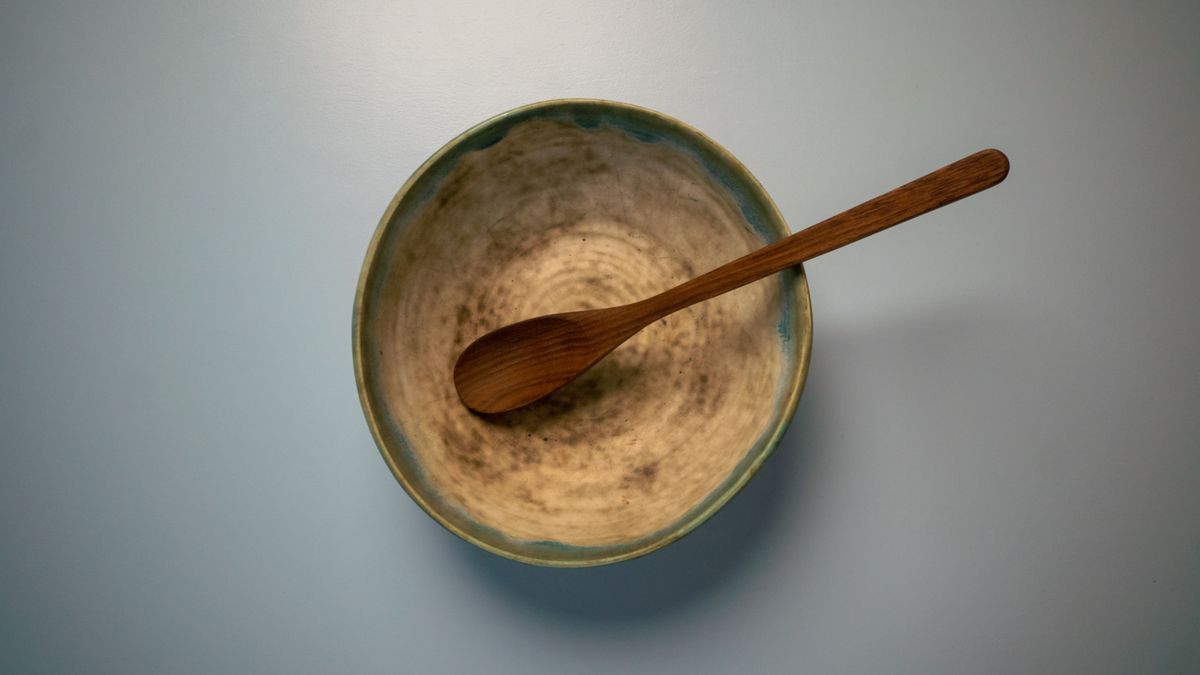
Plastic Salad Servers
- The Failure Modes: Synthetic plastic servers are cheap for a reason. Under the weight of dense chopped salads, roasted root vegetables, or heavy grains, plastic handles flex and bend. Dark balsamic vinegars, turmeric, and beet juices quickly penetrate soft polymers, leaving permanent cloudy stains. Over time, plastic edges develop micro-roughness that looks worn and feels cheap at a host's table.
- The Upside: Highly affordable and lightweight for outdoor picnics.
Stainless Steel Salad Servers
- The Failure Modes: Metal utensils bring industrial harshness to cozy meal gatherings. Tossing salad with metal servers creates an abrasive, high-pitched clanking against ceramic and glass bowls. Worse yet, hard steel edges leave dark metal marks and micro-scratches on glazed porcelain and handmade pottery. Metal also conducts cold rapidly, feeling unpleasantly icy when left in chilled salad bowls.
- The Upside: Indestructible and safe for automated dishwashers.
Teak Wood Salad Servers
- The Failure Modes: Teak tools require hand washing with mild dish soap and warm water; high-heat dishwashers will strip protective lacquer coatings.
- The Upside: Crafted from dense tropical hardwood with high natural silica content, teak handles tossing with silent confidence. The warm, contoured handles fit naturally in hand, while broad spoon faces and smooth fork tines lift delicate greens without bruising leaves or scratching heirloom bowl surfaces.
How to Upgrade Your Tabletop Serving Experience Today
Your decision: Choose rich natural teak wood to protect your cookware and dinnerware while elevating host presentation.
Do this next: Order the 9-Piece Teak Utensil Set featuring dedicated salad serving tools and comprehensive cooking implements.
- Read next: How to Choose the Best Teak Wooden Serving Utensils for Hosting & Dinner Parties
- Read next: Stovetop to Table: How to Serve Daily Meals Elegantly Using Teak Utensils
Invest in the 9-Piece Teak Kitchen Utensil Set—includes a salad spoon, salad fork, serving spoon, skimmer, spatula, turner, ladle, pasta server, and slotted turner in a luxury sliding gift box.
Ready to swap out noisy metal or stained plastic for timeless teak?
Key Takeaways: Why Teak Dominates Dining Tabletop Presentation
- Bowl Surface Protection: Teak's smooth grain glides across glass, ceramic, and wooden bowls without scratching glazes or leaving scuff marks.
- Acoustic Harmony: Wood dampens harsh scraping sounds, keeping dinner table conversation relaxed and comfortable.
- Natural Stain Defense: High oil content combined with a clear lacquer coating prevents acidic dressings and dark vinegars from soaking into wood fibers.
- Tactile Comfort: Ergonomic wooden handles maintain room temperature and feel balanced in hand during serving.
- Seamless Versatility: Teak transitions gracefully from active stovetop cooking to elegant dining room table presentation.
Decision Framework: Which Material Fits Your Entertaining Style?
For host presentation, bowl protection, and acoustic comfort, teak wooden salad servers outclass plastic and metal. Metal suits industrial environments where dishwashers are mandatory, while plastic is strictly for disposable picnics.
Best choice for
- Teak Wood Salad Servers — Offers natural golden-brown grain, rich tactile warmth, and silent, non-scratch serving in glass or ceramic bowls.
- Lacquered Teak Wood — Teak's dense grain and clear protective coating repel oil absorption and acid discoloration far better than cheap porous woods or plastics.
- You exclusively use high-heat automated dishwashers for all kitchen tools.
- You need throwaway, single-use utensils for large outdoor caterings.
- Stainless Steel Servers — 100% dishwasher safe, but creates loud scraping noises and risks permanent scratching on fine dinnerware.
- Polycarbonate Plastic Servers — Budget-friendly, but flexes under dense salads and stains permanently from balsamic vinegar or red wine dressings.
Featured Essential: The 9-Piece Teak Kitchen Utensil & Salad Serving Set
Transform your kitchen and table presentation with our elegantly designed 9-piece teak utensil collection. Crafted from premium teak hardwood, this comprehensive set bridges cooking performance and graceful serving.
- Complete 9-Piece Collection: Includes a dedicated salad spoon, salad fork, serving spoon, skimmer, spatula, turner, ladle, pasta server, and slotted turner.
- Scratch-Free Durability: Smooth to touch with contoured handles (13.58" L x 4.13" W), safe for delicate non-stick cookware and heirloom salad bowls.
- Easy Maintenance & Storage: High water resistance with a protective lacquer finish for quick soap-and-water cleanup. Built-in handle hanging holes allow convenient crock display.
- Luxury Gift Box: Arrives in a beautiful sliding display box—the ideal gift for housewarmings, weddings, or holiday hosting.
- Craftsman's Promise: We stand behind every set. Enjoy beauty and functionality in every utensil!
Tablescape Scenarios: How Serving Utensils Change the Dinner Experience
Photo by Klaus Nielsen on Pexels
Intimate Candlelit Dinner Party — Use Teak Wood Salad Servers. Silent handling keeps the focus on ambient music and conversation, while rich wood grain elevates white porcelain or clear glass bowls.
Family Salad Service with Acidic Vinaigrettes — Use Lacquered Teak Servers. Broad spoon heads easily scoop oil-and-vinegar emulsions without staining, while gentle edges ensure children won't chip rimmed ceramic bowls.
Casual Outdoor Deck Picnic — Teak Utensils remain superior for aesthetic outdoor dining, though basic dishwasher-safe stainless steel can serve as a utility backup for rugged high-volume outdoor events.
See how utensil choice directly impacts different dining environments.
When guests sit around your dining table, dinner service engages all five senses. While most home cooks focus entirely on recipe flavor, host presentation often hinges on tactile and acoustic details.
Acoustic Dampening and Bowl Integrity
Glass and glazed porcelain serving bowls have smooth, vitreous surfaces. When hard stainless steel tools strike ceramic, they transfer impact energy directly into the glaze. This creates sharp acoustic spikes—a metallic clatter that disrupts calm dining environments. Over months of dinner service, metal edges leave microscopic grey metal transfer lines and small chips along bowl rims.Teak wood acts as a natural acoustic dampener. Its organic cellular matrix absorbs kinetic force, producing a soft, barely audible sound when tossing greens. Because wood is softer than ceramic glazes and blown glass, it is physically impossible for teak servers to scratch fine dinnerware.
Thermal Conductivity and Handfeel
Metal utensils possess high thermal conductivity. Placed in a chilled salad bowl or hot side dish, stainless steel quickly matches the food temperature, feeling uncomfortably cold or hot to guest hands. Plastic, while low in thermal transfer, lacks physical weight and structural rigidity, flexing unpleasantly under heavy ingredients like apples, goat cheese, or roasted squash.Teak wood offers low thermal conductivity combined with high structural density. The handles remain neutral and comfortable to grip, providing tactile balance during table service.
Natural Oil Resistance and Dressing Longevity
Home cooks often worry that wooden utensils will absorb oily vinaigrettes or turn dark from balsamic vinegar. While porous softwoods like pine or bamboo can trap organic dyes, genuine teak (Tectona grandis) features exceptionally high natural oil content and tight wood fibers. When coated with a food-safe clear lacquer finish, teak forms an impermeable barrier against acidic citrus juices, dark vinegars, and rich olive oils. Prompt handwashing after meals maintains a glossy, vibrant finish for years of host service.Related Guides for Tableware & Entertaining
- Choosing Teak Utensils Salad Servers for Housewarmings
- Serving with Teak Utensils Handcrafted Salad Servers
- Why Choose Handcrafted Teak Utensils Salad Servers?
Frequently Asked Questions About Teak Salad Servers
Got questions about caring for teak salad servers? Here are quick answers to keep your set looking showroom-ready.
Upgrade Your Kitchen and Dining Table with Teak Utensils
Your decision: Upgrade from noisy metal or easily stained plastic to durable, non-scratch teak wood salad servers for entertaining and daily dining.
Do this next: Select a comprehensive lacquered teak utensil set that includes matched salad spoons and forks designed to protect your serving bowls.
- Read next: How to Choose the Best Teak Wooden Serving Utensils for Hosting & Dinner Parties
- Read next: Stovetop to Table: How to Serve Daily Meals Elegantly Using Teak Utensils
Invest in the 9-Piece Teak Kitchen Utensil Set—featuring a dedicated salad spoon and salad fork alongside complete cooking tools, packaged in a premium sliding gift box with our craftsman's promise.
Elevate your dining experience with natural elegance. Order the 9-Piece Teak Utensil Set today, backed by our craftsman's promise!
Cover photo by Katerina Holmes on Pexels.