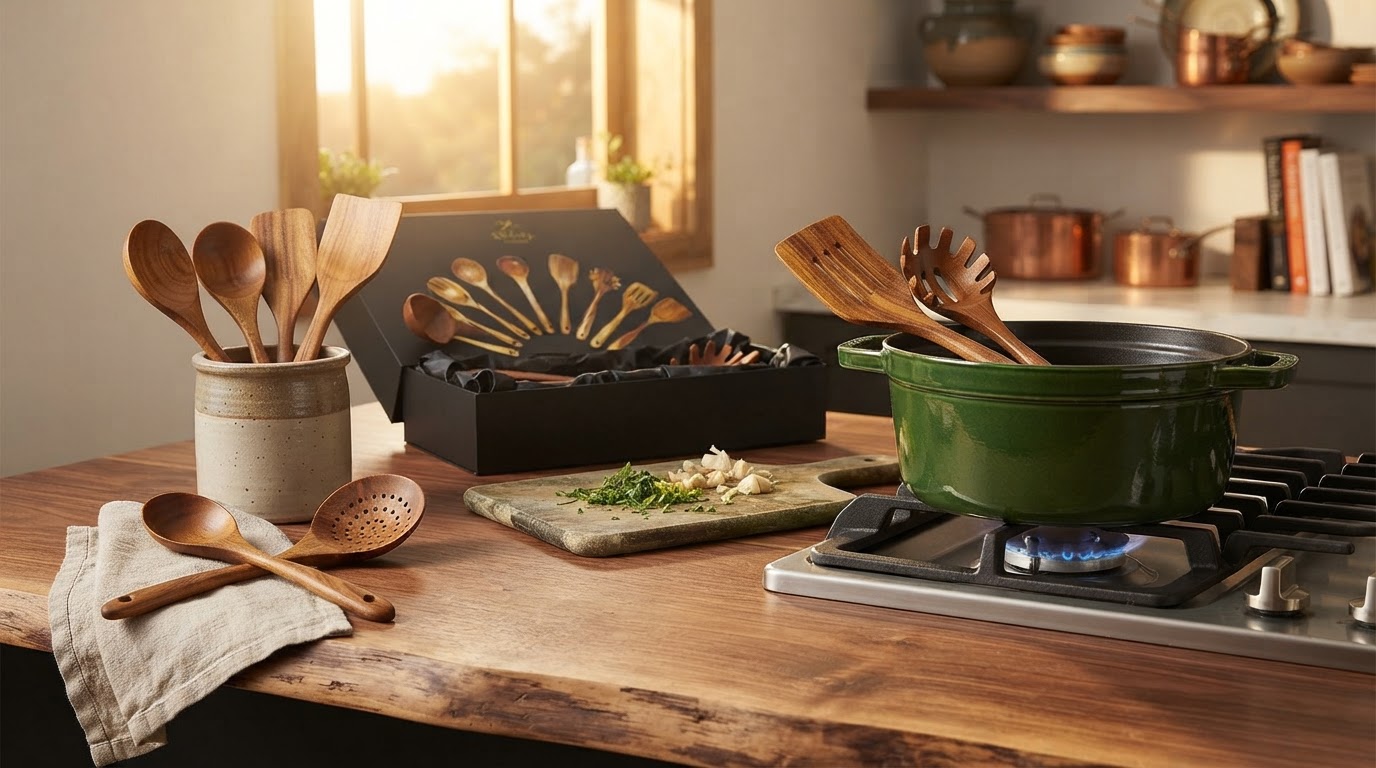
The Art of Teak: Craftsmanship in Modern Kitchen Tools
 Priya RamanSenior Analyst
August 4, 2026 — The culinary industry is witnessing a shift toward material integrity as professional and home kitchens prioritize tools that balance structural resilience with surface safety. Teak Utensils has introduced a 9-piece collection designed to address these requirements through high-quality wood craftsmanship and ergonomic design.
To evaluate the utility of these tools, we can categorize kitchen equipment using a simple 2x2 matrix. Two axes matter here: Material Hardness and Surface Compatibility. On the vertical axis, we measure the physical durability of the wood; on the horizontal, the risk of damage to non-stick coatings. Teak occupies the optimal quadrant, offering the density required for heavy-duty tasks like pasta serving while remaining soft enough to prevent micro-abrasions on delicate pans.
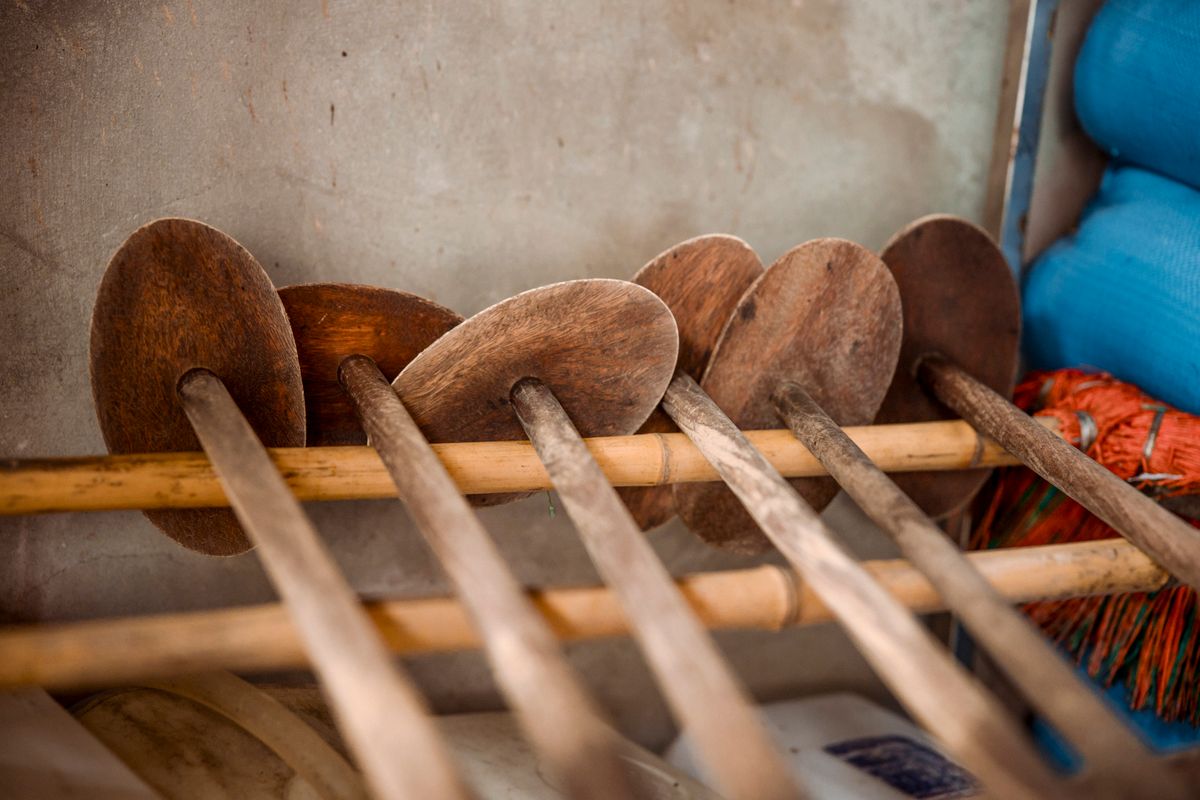
Photo by HONG SON on Pexels
According to Teak World, research indicates that wood is an exceptional material for kitchen tools because it is naturally water-resistant and does not conduct heat, protecting both the user and the food. This inherent resistance is a hallmark of the species’ craftsmanship. Furthermore, Wattle&Wombat notes that teak is naturally durable, a trait that allows for the creation of thinner, more precise edges on tools like the slotted turner without sacrificing structural integrity. Once you see it this way, the move toward teak is less about aesthetics and more about engineering.
Integrating these tools into a kitchen workflow requires an understanding of material maintenance. For those transitioning from synthetic materials, choosing teak vs bamboo vs silicone utensils is the first step in optimizing heat performance. Because the 9-piece set from Teak Utensils features a clear lacquer coating, it maintains a glossy finish that resists staining during high-moisture cooking. Users should consult resources on how to clean and care for teak wooden utensils to preserve this barrier.
Expert tip: To extend the life of your skimmer and ladle, avoid the dishwasher. Instead, utilize the integrated handle holes for air-drying, which prevents moisture from settling in the grain. Understanding why wooden utensils won't scratch non-stick pans allows cooks to use more pressure when deglazing without fear of equipment failure. For long-term maintenance, learning how to season teak utensils will ensure the wood remains hydrated and crack-resistant over years of use.
The decision rule: If the cooking environment involves high-heat surfaces and non-stick coatings, prioritize high-density teak over softer woods or reactive metals to ensure both tool longevity and cookware protection.