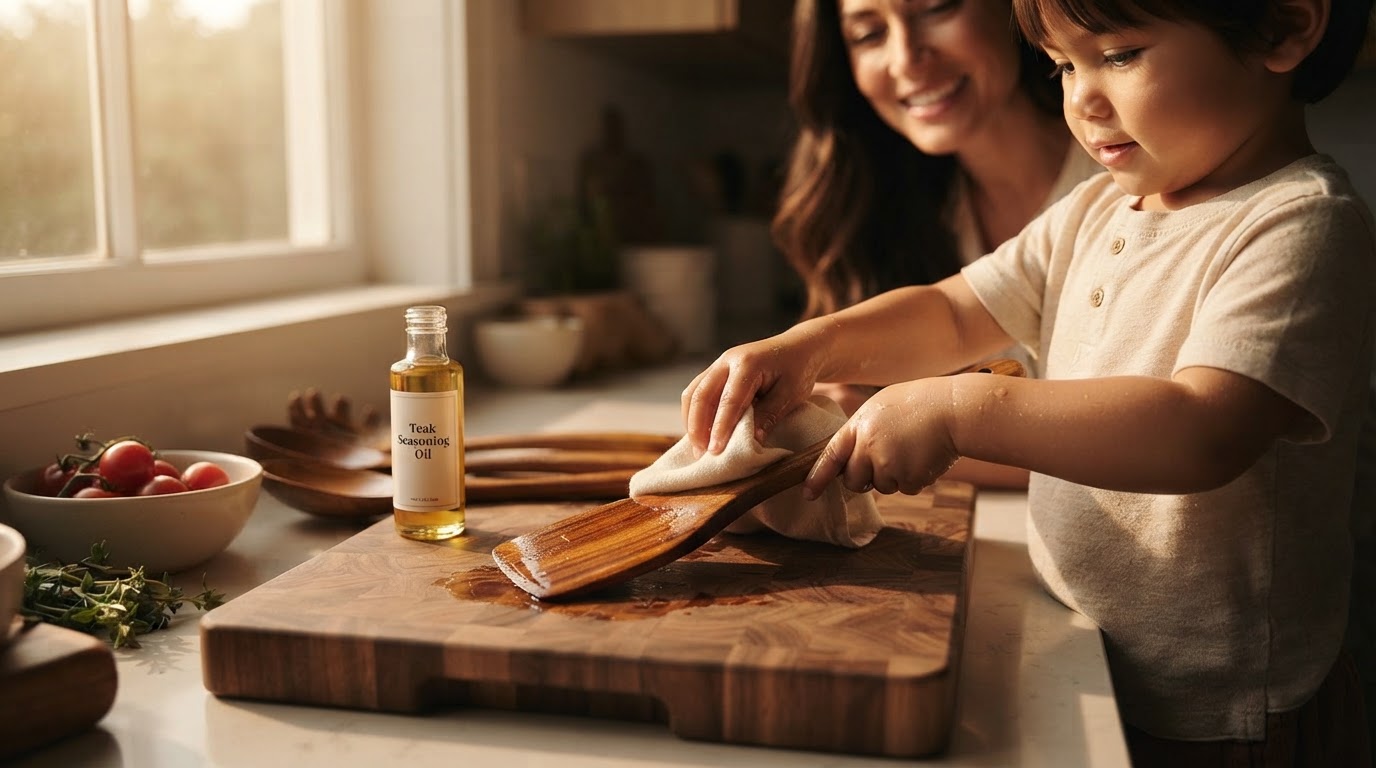
How to Season Teak Utensils for Maximum Durability
 Maya ChenContributing Editor
August 3, 2026 — Seasoning teak utensils requires the application of food-grade mineral oil to a completely dry wood surface to saturate the fibers and prevent moisture absorption.
Home cooks often mistakenly assume that the high natural oil content of Tectona grandis (teak) makes supplementary seasoning redundant. The conventional wisdom says teak is self-maintaining, but this ignores the reality of modern dish detergents which aggressively strip surface lipids. While teak is naturally resilient, maintaining a hydrophobic barrier is essential for those using these tools in high-heat culinary environments.
How should you apply oil to teak utensils?
The most effective method for seasoning involves heating food-grade mineral oil to approximately 100°F (38°C) before application to decrease viscosity and improve penetration depth. According to a technical demonstration by woodworkers cited on YouTube, warming the oil in a pot set over hot water thins the liquid, allowing it to migrate deeper into the cellular structure of the wood than cold oil ever could. Once the oil is at temperature, you should lather the utensils in as much oil as they will physically absorb.
Here’s the part nobody talks about: the wood must be 100% dry before you start. Any residual moisture trapped inside the grain will repel the oil, leading to an uneven finish and potential rot. Earlywood Designs recommends letting the oiled tools sit overnight to ensure maximum saturation before wiping away the excess. If the wood appears matte or "thirsty" after the first application, the process should be repeated immediately. This creates a barrier that complements the non-toxic wooden spoons typically found in high-end kitchens, ensuring they remain inert and food-safe.
When is it necessary to re-season teak?
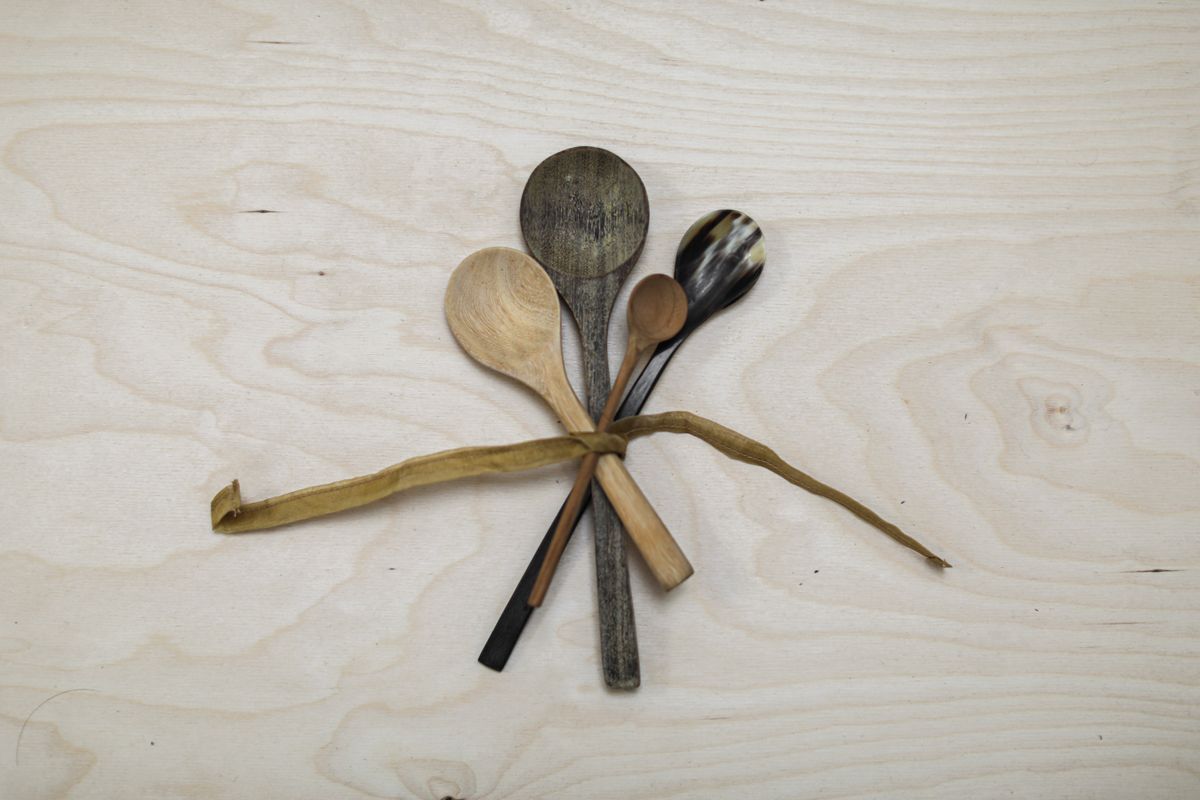
Photo by Cup of Couple on Pexels
Teak utensils require re-seasoning whenever the wood grain feels raised or the surface loses its characteristic luster, typically every 4 to 8 weeks depending on usage frequency. Zulay Kitchen notes that wood integrity can begin to show signs of staining or degradation after as little as six weeks if the tools are subjected to frequent washing without oil replenishment. Run the math: a utensil used daily and washed with soap will lose its protective barrier twice as fast as one used for dry goods.
I’ll change my mind when synthetic coatings can match the thermal resistance and safety profile of seasoned organic wood kitchen tools. Until then, the tactile feedback of the wood is your best indicator. If water no longer beads on the surface of the spoon, the seasoning has failed. This proactive approach is a core pillar of how to care for teak wood utensils properly. Avoid the temptation to use vegetable oils like olive or canola; these contain unsaturated fats that will oxidize and turn rancid, creating a tacky, odorous film that is difficult to remove without deep sanding.
Quick answers
Q: Can I use olive oil to season my teak utensils? A: No, you should never use olive oil as it is a non-drying oil that will eventually go rancid and smell. Only use food-grade mineral oil or specialized butcher block conditioners containing beeswax.
Q: How long should I let the oil soak into the wood? A: You should allow the oil to penetrate for at least 8 to 12 hours, or overnight. This ensures the fibers are fully saturated before the tool is introduced to moisture again.
Q: What happens if I skip seasoning my teak tools? A: Skipping seasoning leads to desiccation, which causes the grain to lift and eventually results in cracking or warping. Zulay Kitchen observations suggest that unmaintained wood can show visible staining within 42 days of regular use.
Q: Does the water temperature matter when washing seasoned teak? A: Yes, you should use warm, not hot, water and a gentle soap. Faay Haus emphasizes that avoiding long soaking periods is critical to maintaining the integrity of the seasoned finish.
Learn more about Teak Utensils at https://teakutensils.com.
Sources
Photo by Cup of Couple on Pexels
- Teak Wood Utensils
- the Ultimate guide to wood utensil care
- How To Care For Teak Utensils: A Heartcrafted Guide To Preserving ...