
How to Clean Teak Utensils: Protect Glossy Wood Finish
Follow the 5-minute / 110°F rule: Hand-wash teak kitchen utensils within 5 minutes of cooking using mild dish soap, warm water under 110°F, and a soft foam sponge. Never soak utensils or place them in a dishwasher. Wipe dry immediately with a microfiber towel and air-dry vertically for 24 hours using handle holes.
Core Principles of Teak Utensil Care
Keep these essential care rules at your fingertips before washing your teak tools:
- 5-Minute Wash Window: Wash food residue off lacquered teak within 5 minutes of cooking to prevent acidic ingredients from etching the topcoat.
- 110°F Maximum Water Temperature: Always keep tap water lukewarm (below 110°F) to avoid thermally shocking the wood fibers or melting the clear lacquer finish.
- 120°F Dishwasher Threshold: Automatic dishwashers exceed 120°F–150°F ambient heat and steam, which permanently dissolves lacquer, warps grain, and ruins the wood for good.
- 60-Second Deodorizing Limit: Clean aromatic curry or garlic odors using a gentle baking soda paste scrubbed for no more than 60 seconds.
- 24-Hour Vertical Air-Drying: Always hang utensils by their pre-drilled handle holes or stand them vertically in a crock to allow full 360-degree airflow.
Daily Teak Utensil Cleaning Checklist
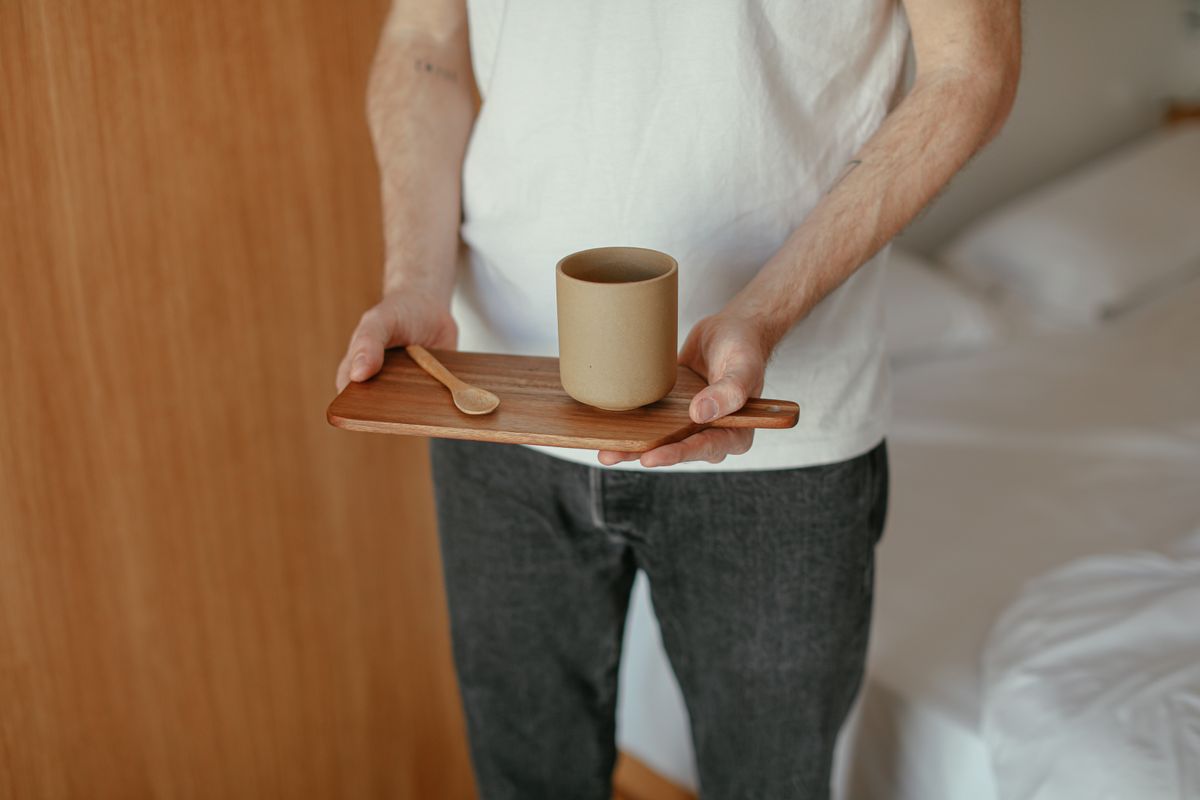
Photo by Cup of Couple on Pexels
- Rinse food residue with warm water (below 110°F) within 5 minutes of cooking.
- Apply 1 drop of gentle pH-neutral dish soap to a soft foam sponge.
- Gently wipe along the natural wood grain; never scrub with steel wool or abrasive pads.
- Rinse thoroughly with clear lukewarm water and towel dry immediately using a clean, lint-free cloth.
- Hang by the handle hole or place vertically in an open crock to air-dry for 24 hours before drawer storage.
Printable Teak Care & Washing Guide
- DO: Wash by hand immediately with warm water (under 110°F) and soft foam sponges.
- DO: Towel dry instantly with microfiber and hang vertically using built-in handle holes.
- DO: Remove strong odors with a 60-second baking soda and water paste.
- DON'T: Run through dishwashers or submerge in standing sink water for more than 30 seconds.
- DON'T: Use harsh green nylon scouring pads, steel wool, bleach, or concentrated lemon juice.
- DON'T: Oil lacquered teak unless the protective clear topcoat has naturally worn off after years of heavy use.
Troubleshooting Finish Loss, Stains, and Odors
| Problem | Cause | Immediate Remedy | Prevention |
| --- | --- | --- | --- |
| Dull, Hazy White Spots | Thermal shock or steam exposure trapping moisture under the lacquer layer. | Rub gently with a dry microfiber cloth; allow to air-dry at room temperature for 48 hours. | Keep wash water under 110°F and never expose to dishwasher cycles. |
| Stubborn Curry or Turmeric Stains | Strong yellow pigments left sitting on wood grain past the 5-minute wash window. | Apply a paste of 1 tbsp baking soda and 1 tsp water. Rub gently along grain for 60 seconds, then rinse cold. | Rinse utensils immediately after stirring bright, heavily pigmented sauces. |
| Pungent Garlic or Onion Odor | Volatile sulfur compounds absorbed into micro-abrasions in the surface coat. | Wipe down with a dilute baking soda slurry, rinse with cold water, and dry vertically for 24 hours. | Hand-wash instantly after prep and avoid soaking in hot water. |
| Rough or Fuzzy Wood Grain | Soaking in water over 60 seconds caused natural wood fibers to swell and expand. | Once fully dry, lightly buff with 400-grit ultra-fine sandpaper and seal with food-grade mineral oil. | Never leave wooden tools resting in pots or filled sinks. |
Diagnose common surface issues quickly with this side-by-side corrective action matrix.
Protect Your Kitchen Investment
Proper handwashing preserves both the stunning aesthetic and non-stick safety of your handcrafted teak kitchen tools. If you are looking for a complete collection designed specifically for modern cooking, explore our premium 9-piece collection. Featuring built-in handle holes for effortless 360-degree vertical air drying, this versatile set handles everything from flipping delicate pancakes to tossing fresh garden salads.
Recommended Teak Utensils & Care Accessories
Pair your care routine with tools built to last a lifetime in busy American kitchens.
Teak Maintenance Schedule by Cooking Frequency
- After Every Meal (Daily) — Hand-wash within 5 minutes in warm soapy water (<110°F). Microfiber towel dry immediately and hang by handle hole.
- Every 30 Days (Monthly) — Inspect clear lacquer topcoat under bright light for micro-scratches, roughness, or dull patches.
- Every 90 Days (Quarterly) — If clear lacquer topcoat has worn down from years of heavy use, rub 2–3 drops of food-grade mineral oil into bare wood fibers.
- Every 365 Days (Annually) — Deep clean storage crocks, wall hooks, and hanging strips to prevent dust accumulation on stored utensil handles.
5 Critical Mistakes That Strip Lacquered Teak Finish
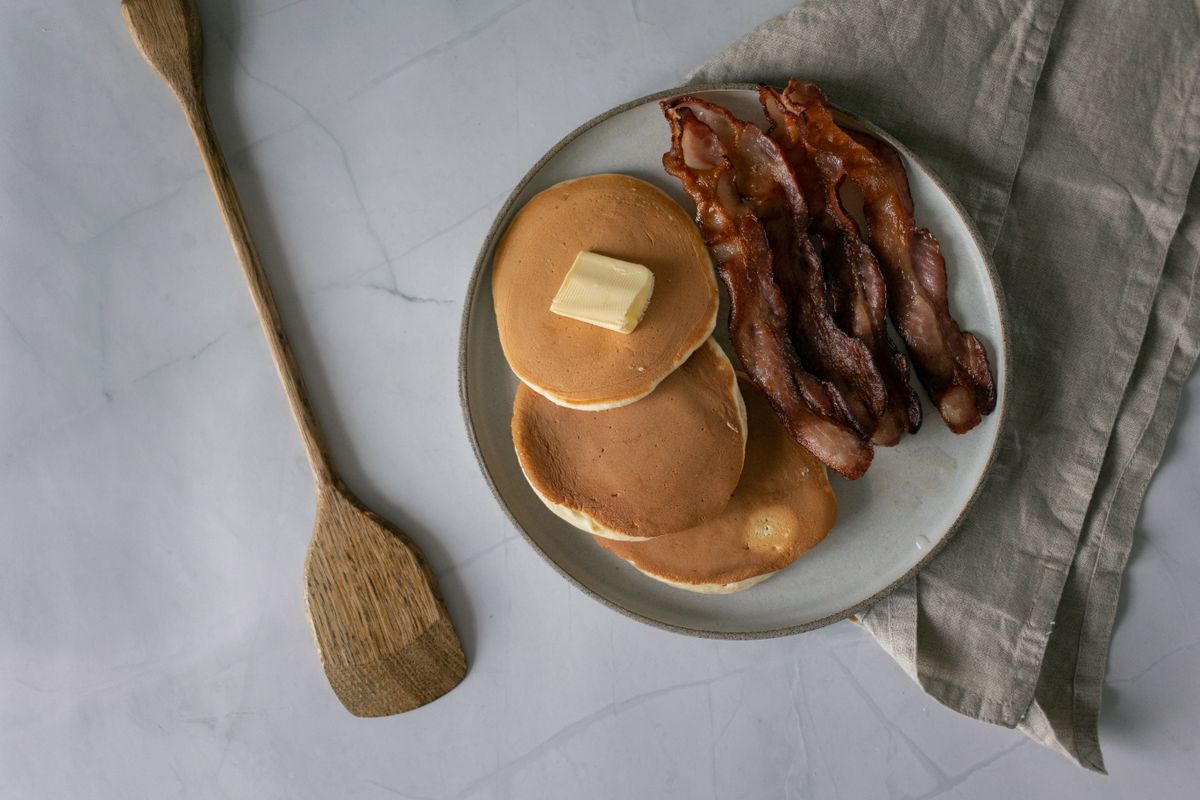
Photo by Monstera Production on Pexels
Avoid these 5 common cleaning blunders to keep your teak tools looking store-fresh:
The Lifecycle Timeline of a Lacquered Teak Utensil
- Month 1 (Initial Use) — Lacquered teak displays a high-gloss, silky smooth barrier that completely repels water, cooking oils, and acidic sauces.
- Month 6 (Proper Handwash) — Finish remains 100% intact, glossy, and scratch-free; wood shows zero discoloration or edge swelling.
- Month 6 (Dishwasher Abused) — Lacquer coat is completely stripped; wood appears gray, feels rough to the touch, and exhibits fine hairline splits along the head.
- Month 24 (2 Years of Gentle Care) — Lacquer maintains its protective sheen with subtle, warm golden wood tone maturation across heavy-use contact edges.
- Month 60 (5 Years & Beyond) — Under standard daily handwashing, high-quality teak utensils continue serving meals safely without damaging non-stick pans.
Frequently Asked Questions About Cleaning Teak Utensils
Get fast, direct answers to common questions about washing and preserving your wooden spoon set.
Explore More Teak Kitchen Styling & Care Guides
Expand your kitchen knowledge with our expert resources on wooden utensil care, kitchen aesthetic styling, and non-stick cookware preservation:
- Teak Seasoning & Conditioning: Learn when bare wood needs oiling versus lacquered topcoat care.
- Utensil Storage Solutions: Compare hanging wall strips, counter crocks, and drawer dividers for optimal airflow.
- Non-Stick Cookware Safety: Discover why smooth teak wood is the single safest material for ceramic and Teflon pans.
Next Steps for Preserving Your Teak Utensils
Your decision: Choose the correct daily washing protocol based on whether your teak utensils have an intact clear lacquer finish or worn bare grain.
Do this next: Implement the 5-minute handwash and vertical hanging dry routine today using your utensil handle holes.
Related resource: Download our 1-page printable care summary sheet to keep by your sink.
Upgrade your kitchen setup with the complete 9-Piece Teak Utensil Set with built-in handle holes for effortless vertical drying.
Take action today to keep your kitchen tools looking beautiful and performing flawlessly.
Cover photo by cottonbro studio on Pexels.