
Teak vs. Bamboo Serving Utensils: Which Belongs on Your Dinner Table?
Should you purchase an affordable bamboo utensil set or invest in a rich, solid teak utensil set for serving guests and daily cooking? Teak is superior for dinner table serving due to its rich natural oils, seamless single-block wood grain, and warm golden hue that resists warping and splintering. While lightweight bamboo is budget-friendly, its glued grass-composite layers can delaminate, fray, and absorb water stains during frequent entertaining.
Teak vs. Bamboo Serving Utensils: Material & Presentation Comparison
| Hosting & Culinary Scenario | Solid Teak Hardwood Utensils | Laminated Bamboo Composite | Performance Winner & Reason |
| --- | --- | --- | --- |
| High-Heat Stovetop Stirring & Steam Exposure | Withstands continuous heat and steam without scorching, cracking, or grain swelling thanks to high natural silica and oil content. | Synthetic adhesives holding grass strips together soften; strips absorb steam, leading to edge warping and glue breakdown. | Teak: Dense hardwood structure remains warp-free under steam and simmer heat. |
| Serving Acidic Salads & Wet Pasta Sauces | Repels food liquids, vinegars, and citrus acids. Non-porous surface resists deep pigment staining from turmeric and tomatoes. | Absorbs liquid quickly across exposed bamboo fibers and micro-seams, causing dark liquid lines and retained food odors. | Teak: High natural oil density creates an organic barrier against food acid absorption. |
| Candlelight Dinner Party Presentation | Displays rich, golden-brown organic whorls and custom grain variation that warms up ceramic, stoneware, and linen settings. | Exhibits pale, uniform yellowish hue with distinct node joints and visible adhesive lines that look utilitarian. | Teak: Offers luxurious, heirloom-quality visual warmth that elevates host tableware. |
| Multi-Year Everyday Handwashing & Durability | Maintains ultra-smooth, silky texture over years of use; clear lacquer protective coat prevents surface wear. | Outer fibers start to fuzz, fray, and splinter after repeated wetting and drying, requiring replacement within months. | Teak: Single-block organic wood construction eliminates delamination and splintering risks. |
| Safe Use on Delicate Non-Stick Cookware | Satin-smooth hand-sanded edges glide seamlessly across non-stick, Teflon, and ceramic cookware without micro-scratching. | Initial smoothness wears down quickly as bamboo grass fibers lift, creating jagged micro-splinters that score pan coatings. | Teak: Smooth wood grain protects expensive non-stick skillet coatings permanently. |
Compare how solid tropical teak hardwood and laminated bamboo composite perform across real-world kitchen and hosting scenarios. Pay close attention to structural stability under steam, liquid resistance, and visual elegance when serving guests.
Failure Modes & Material Trade-Offs: Bamboo Delamination vs. Teak Hardwood
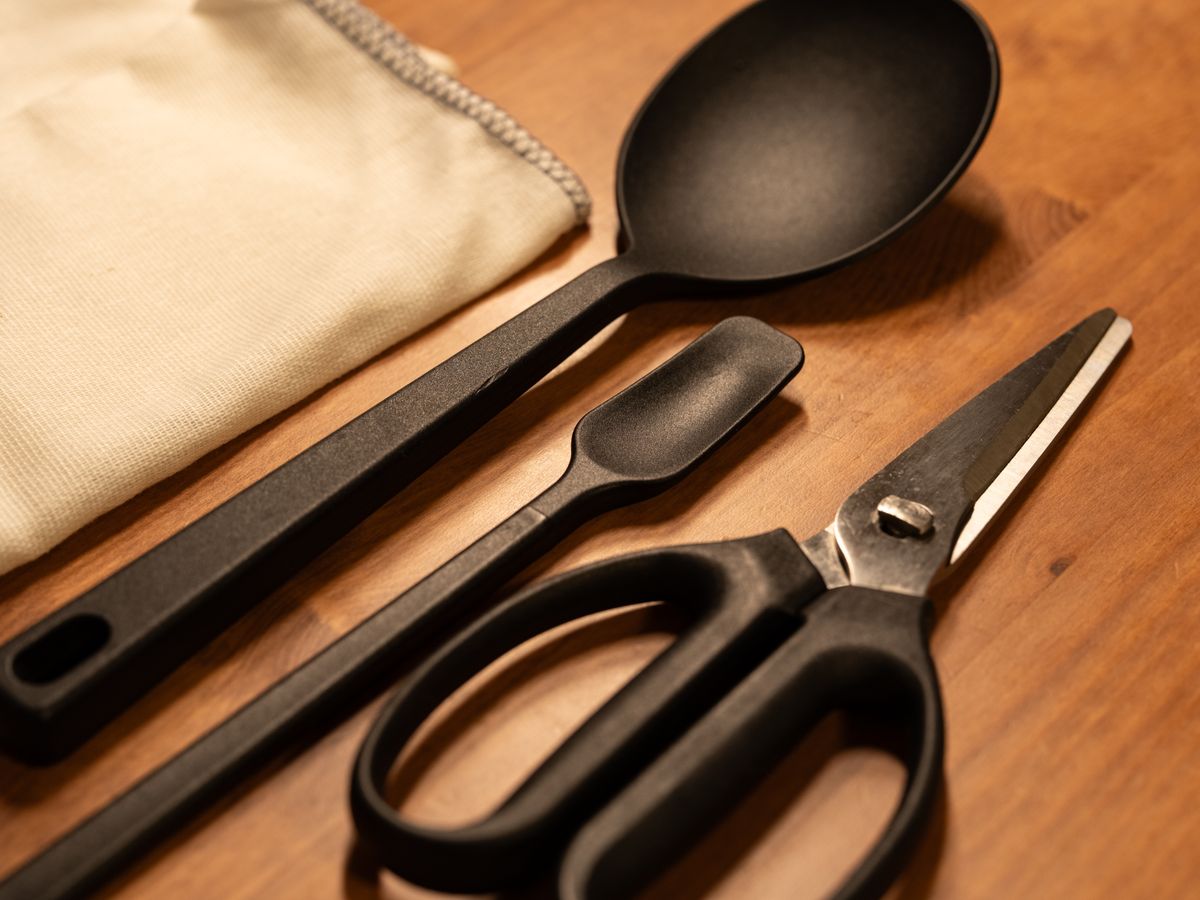
When choosing kitchen and table utensils, leading with potential failure modes reveals the true cost of materials. While bamboo composite tools are inexpensive upfront, their reliance on toxic synthetic glues and laminated grass stalks creates severe long-term usability issues.
Bamboo Composite Failure Mechanisms
- Glued Delamination: Bamboo is not a tree; it is a fast-growing grass cut into thin strips and bonded under pressure using formaldehyde or melamine resins. High steam, hot water, and acidic foods break down these synthetic binders over time, causing the utensil to split into dangerous layers.
- Micro-Splintering & Fraying: As the outer cellulose fibers of bamboo dry out after repeated washing, tiny wood fibers lift from the edge of spatulas and spoons. These micro-splinters can break off directly into your meals or scratch non-stick ceramic cookware coatings.
- Deep Staining & Odor Retention: Because bamboo lacks natural protective oils, its exposed porous grain easily absorbs dark broths, tomato sauces, and strong garlic odors that persist despite thorough scrubbing.
Tropical Teak Hardwood Resilience
Continuous Single-Block Construction: Teak (Tectona grandis*) utensils are carved from solid single blocks of tropical hardwood. Because there are zero glue seams or synthetic binders, delamination is structurally impossible.- Self-Protecting Silica & Resin Oils: Teak is naturally infused with dense organic oils and silica grains. This inherent moisture barrier repels water naturally, preventing swelling, warping, and mold growth even during heavy kitchen use.
- Silk-Smooth Tactile Touch: Teak's tight hardwood grain sands to a velvety, snag-free finish that remains gentle on non-stick skillets and pleasant for dinner party guests to hold.
The Verdict for Table Hosts: Why Teak Takes the Crown
If you care about host presentation, food hygiene, and long-term value, solid teak hardwood is the clear winner. While bamboo works for temporary, budget camping gear, it fails to deliver the tactile luxury and durability required for a warm, inviting home kitchen.
Upgrade your dining and cooking experience with the 9-Piece Teak Utensil Set. Crafted from premium solid teak wood and coated in a protective food-safe clear lacquer, this comprehensive collection includes every tool you need to prep, cook, and serve gracefully.
- Complete 9-Piece Set: Includes a salad spoon, salad fork, serving spoon, skimmer, spatula, turner, ladle, pasta server, and slotted turner.
- Gifting Ready: Packaged in a stunning sliding gift box, making it the perfect present for housewarmings, weddings, and holidays.
- Craftsman's Promise: We stand behind every set—cook and host with complete confidence!
Host Expert Tip: Maintaining Lustrous Grain Under Candlelight
To make your teak serving set glow during formal dinner parties, give them a light rub with food-grade mineral oil or beeswax polish every two to three months. Because teak already possesses high internal natural resin content, you do not need heavy waxing routines. A simple 30-second wipe-down keeps the golden wood grain vibrant, highlights the natural color variations, and prevents food dyes from adhering to the surface.
Visual Breakdown: Teak Hardwood vs. Laminated Bamboo Fiber Structure
This diagram highlights the internal structural difference between single-block teak wood and glued bamboo grass strips, explaining why bamboo delaminates under heat while teak remains structurally sound.
Key Takeaways: Teak vs. Bamboo for Table Hosting
- Material Composition: Teak is a solid tropical hardwood; bamboo is a grass composite held together by synthetic glues.
- Lifespan & Durability: Teak utensils resist cracking, delamination, and splintering for decades, whereas bamboo strips separate and fray under heat.
- Table Aesthetics: Teak brings warm golden-brown organic tones to your dinner setting; bamboo offers a paler, industrial aesthetic.
- Cookware Safety: Both are non-stick safe initially, but teak stays smooth over time while bamboo develops rough micro-splinters that score delicate pan coatings.
- Complete Tool Variety: A complete 9-piece teak set equips you with specialized servers—from skimmers and ladles to pasta forks and salad sets.
Decision Support: Choosing the Right Utensil Material for Your Table
Teak is the superior choice for hostesses seeking warm, long-lasting dinner table elegance, while bamboo serves as an economical option for basic, temporary kitchen prep.
Best choice for
- Teak Utensils — Rich golden-brown grain, zero visible glue lines, and natural high oil content that stays lustrous under candlelight.
- Teak Utensils — Ultra-smooth protective finish will not scratch cookware coatings or warp under hot steam.
- Bamboo Utensils — Lightweight and highly affordable, though susceptible to splintering over time.
- Avoid bamboo serving utensils if you frequently serve wet salads with acidic dressings or hot gravies, as moisture breakdown and staining occur rapidly across glued joints.
- Avoid teak if you are seeking ultra-lightweight, disposable kitchen gear under ten dollars.
- Acacia Wood Utensils — Offers distinct contrasting grain patterns at a mid-tier price, though requires more frequent oiling than teak.
- Olive Wood Utensils — Provides dramatic, swirling grain patterns ideal for individual appetizer boards, but can be prone to cracking in dry climates.
Featured Serving Set: Handcrafted 9-Piece Teak Utensil Collection
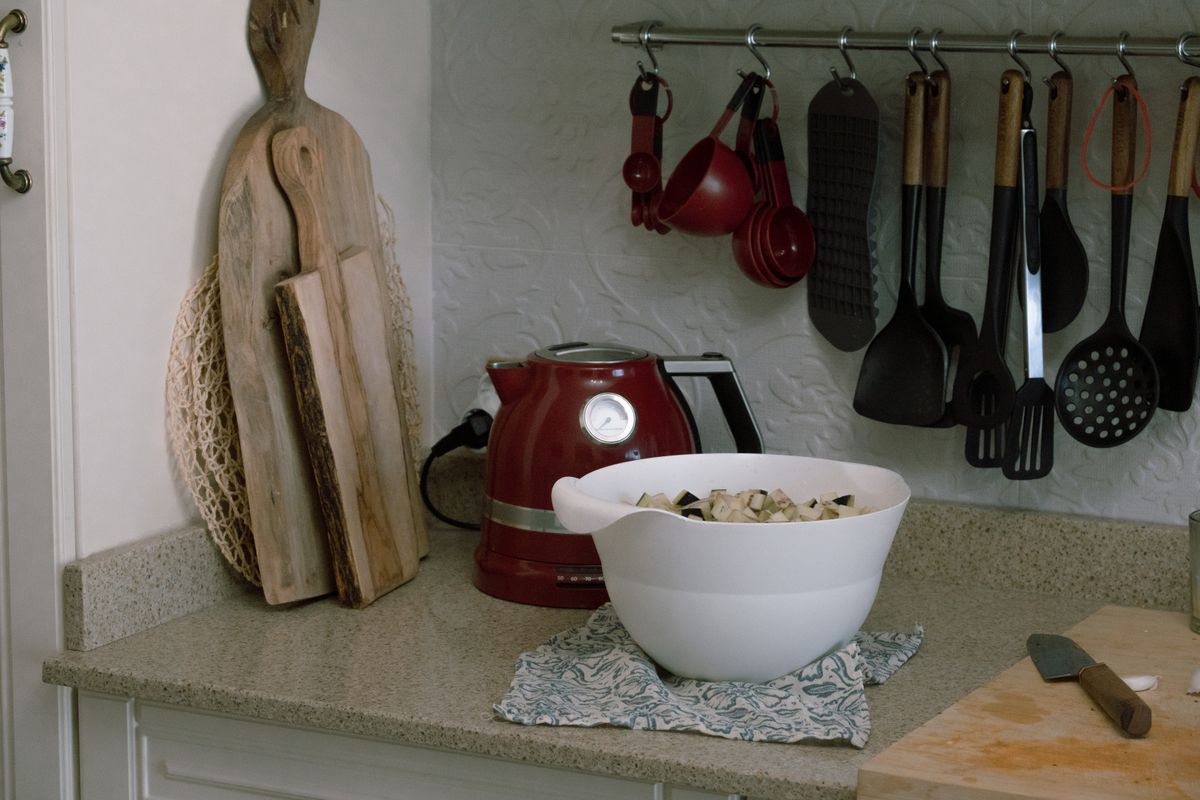
Transform your kitchen and dining presentation with our complete 9-piece solid teak set. Designed for seamless multitask cooking and elegant table serving.
What's Inside the 9-Piece Set:
Each tool measures up to 13.58" in length, features comfortable handle hanging holes for display, and comes packaged in an elegant sliding gift box with our craftsman's promise.
Real-World Serving Scenarios: From Formal Dinners to Casual Buffets
Tossing Acidic Citrus Vinaigrette Salad at the Table — Use Teak Salad Servers. The natural resin barrier prevents vinegar absorption, keeping the wood grain golden and stain-free.
Scooping Hot Bolognese Sauce on Non-Stick Skillets — Use Teak Pasta Server & Ladle. Handles high simmer heat without absorbing red tomato pigments or scratching non-stick ceramic surfaces.
Hosting a Holiday Buffet Line with Heavy Guest Use — Use Teak Utensils. The substantial tactile weight feels luxurious in guests' hands, and built-in handle holes allow graceful resting on serving rests.
Casual Outdoor Picnic or Camping Trip — Bamboo Utensils can suffice if ultra-lightweight portability and low replacement cost are the top priorities.
Here is how teak and bamboo perform when put to the test in real dining and cooking environments:
To understand why teak dominates high-end kitchenware, one must examine the fundamental botanical differences between tropical hardwood and grass composite laminates.
The Anatomy of Teak (Tectona grandis)
Native to tropical forest climates, teak trees develop dense wood fibers packed with natural rubber compounds and silica grains over decades of growth. According to wood material researchers, teak's density (approximately 630 kg/m³) gives it exceptional structural stability. This high oil density serves a double purpose in culinary applications:The Nature of Bamboo Grass Composite
In contrast, bamboo is a fast-growing woody grass (Poaceae family). Because bamboo culms are hollow tubes, manufacturers must slice the thin walls into narrow strips, boil them to remove sugars, bleach or caramelize them, and glue hundreds of individual strips together under hydraulic pressure.This manufacturing process introduces inherent vulnerabilities:
- Porous Fiber Bundles: Bamboo grass contains long vascular bundles that act like tiny straws, soaking up wash water, liquid fats, and dish soap.
- Chemical Resin Dependence: The structural integrity of a bamboo spoon depends entirely on glue seams. Exposing these seams to hot dishwater and acidic foods gradually weakens the bond, causing splitting, warping, and premature breakdown.
Hygiene and Table Aesthetic
When hosting guests, tableware serves as a tactile touchpoint. Smooth, single-block teak feels sturdy, warm, and intentional. Bamboo utensils, with their visible node joints and strip seams, often communicate a temporary or industrial vibe. Furthermore, as bamboo fibers splinter with age, micro-cracks form that can harbor food particles—making teak the far more hygienic, aesthetic long-term investment.Frequently Asked Questions About Teak and Bamboo Tableware
Here are clear, practical answers to common questions about using and caring for teak kitchen utensils.
Next Steps for Elevating Your Dining Setup
Your decision: Choose solid teak utensils to guarantee long-term durability and warm, sophisticated dinner table presentation.
Do this next: Upgrade your serving set with the 9-Piece Teak Utensil Collection, packaged in a premium sliding gift box with our craftsman's promise.
- Read next: How to Style a Warm, Inviting Dinner Table: 5 Hosting Tips Using Teak Serving Sets
- Read next: Dinner Party Serving & Utensil Care FAQ: How to Serve Gracefully and Keep Teak Glowing
https://teakutensils.com
Ready to upgrade your kitchen tools and dinner table presentation? Take action today with our premier teak set.