
Teak vs. Silicone vs. Plastic Utensils: Which Is Safest for Non-Stick Pans?
Are you trying to decide whether to ditch your plastic or silicone spatulas for handcrafted wooden tools? Teak wood is the ultimate material for non-stick cookware. While nylon plastic melts and leaches microplastics under pan heat, and low-grade silicone flexes too softly to scrape effectively, smooth-sanded organic teak is 100% scratch-free, non-toxic, heat-resilient, and completely safe for delicate Teflon and ceramic pan linings.
Teak vs. Silicone vs. Plastic: Material Safety Breakdown
| Cooking Scenario / Metric | Teak Wood Utensils | Food-Grade Silicone | Nylon Plastic |
| --- | --- | --- | --- |
| High-Heat Pan Searing (400°F+) | Withstands high contact heat without structural melting or toxic off-gassing. | Resists heat up to 450°F, but low-grade versions with chemical fillers soften or discolor. | Melts at edge contacts (~392°F), leaving burnt plastic burrs and warping. |
| Deglazing & Heavy Pan Scraping | Firm edge rigidity easily lifts browned bits without gouging pan coatings. | Floppy, flexible edges fold under pressure, making fond removal difficult. | Rigid, but frayed or melted plastic edges scrape and scratch non-stick layers. |
| Microplastic & Chemical Leaching | Zero risk. 100% natural hardwood sealed with food-safe oil or natural finish. | Zero microplastics; however, low-quality silicone can leach chemical phthalates under heat. | High risk. Thermal degradation sheds microscopic plastic particles directly into food. |
| Long-Term Pan Coating Protection | Smoothly sanded tight grain gliding seamlessly over ceramic and PTFE coatings. | Soft rubberized surface protects coatings perfectly. | Initial protection degrades quickly as nicked, rough edges act like sandpaper. |
| Lifetime Value & Durability | Decades of daily use with simple hand washing and periodic oiling. | 2 to 5 years before edge tearing, staining, or odor retention occurs. | 1 to 2 years before melting, warping, or fraying forces replacement. |
Evaluating how each material performs under real-world cooking scenarios prevents premature pan ruin and unintended toxic exposure.
Material Trade-offs: The Good, The Bad, and The Melted
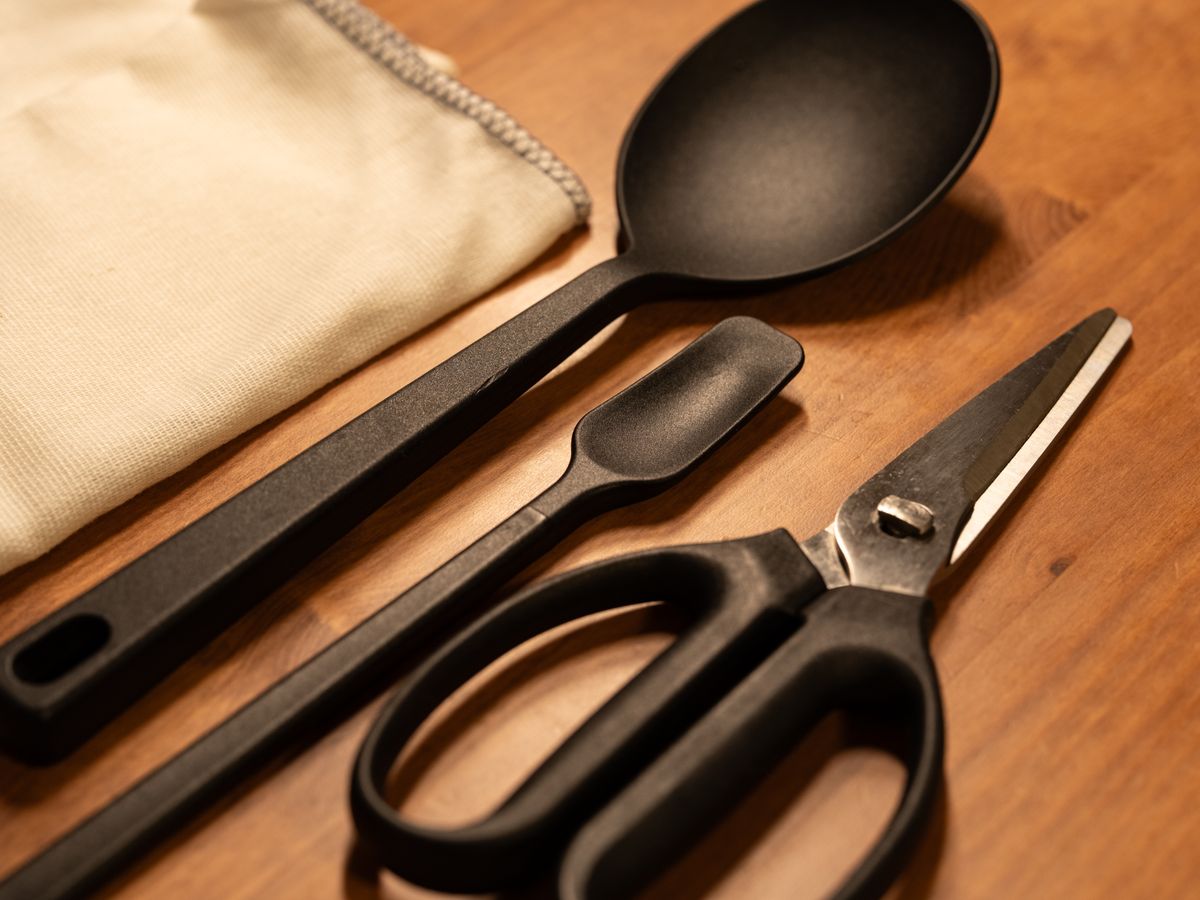
Pros
- Teak Wood: Naturally high oil content makes it inherently water-resistant and silky smooth against non-stick coatings.
- Teak Wood: Firm structural strength allows effortless flipping, heavy stirring, and pan deglazing.
- Teak Wood: Completely free of BPA, microplastics, phthalates, and synthetic chemical fillers.
- Food-Grade Silicone: Dishwasher safe and gentle on soft baking batters.
- Nylon Plastic: Low thermal threshold causes tip melting, releasing microplastics directly into family meals.
- Nylon Plastic: Frayed melted edges turn abrasive, permanently scratching expensive Teflon and ceramic pans.
- Food-Grade Silicone: Excessive flexibility makes it frustrating to turn heavy steaks, burgers, or dense roasts.
- Teak Wood: Requires quick hand-washing rather than harsh automatic dishwasher cycles.
The Verdict: Why Teak Wood Outperforms Synthetic Utensils
If you want to protect your investment in ceramic or Teflon cookware while keeping your cooking completely non-toxic, Teak Wood is the clear winner. It provides the pan-safe softness of silicone paired with the heavy-duty flipping strength of stainless steel—all wrapped in a gorgeous natural wood grain.
Ready to eliminate microplastics and scratch-proof your kitchen? Upgrade your drawer with our elegantly designed 9-piece kitchen utensil set today!
Chef's Advice: The 'Twist Test' for Synthetic Utensils
Before using any silicone utensil on hot cookware, perform the simple Twist Test: pinch a flat section of the silicone and twist it firmly. If the material shows white stress marks underneath, it contains cheap plastic chemical fillers that lower heat tolerance and leach under hot pan contact. Pure, food-grade silicone and solid natural teak will never change color when twisted.
Upgrade Your Non-Stick Cookware Setup
Your decision: Choose Teak wood utensils over plastic and low-grade silicone to preserve non-stick pans and avoid chemical leaching.
Do this next: Replace aged plastic spatulas with a handcrafted 9-piece teak set designed specifically for scratch-free, non-toxic cooking.
- Read next: Non-Toxic Kitchen Guide: How to Choose Safe Utensils
- Read next: How to Oil and Maintain Teak Kitchen Utensils for Lifelong Shine
Upgrade to the complete 9-Piece Teak Utensil Set backed by our craftsman's promise.
Taking action today will extend the lifespan of your non-stick cookware by years.
Essential Takeaways for Non-Stick Pan Owners
- Plastic spatulas fail quickly at high temperatures, melting at pan contact zones and shedding microplastics into hot food.
- Cheap silicone frequently contains hidden plastic fillers that degrade at temperatures far lower than pure platinum silicone.
- Smoothly finished teak wood delivers zero-scratch pan safety alongside solid structural leverage for flipping and deglazing.
- Teak's natural silica and organic oils provide inherent moisture resistance, preventing splintering and bacterial absorption.
Which Utensil Material Fits Your Cooking Style?
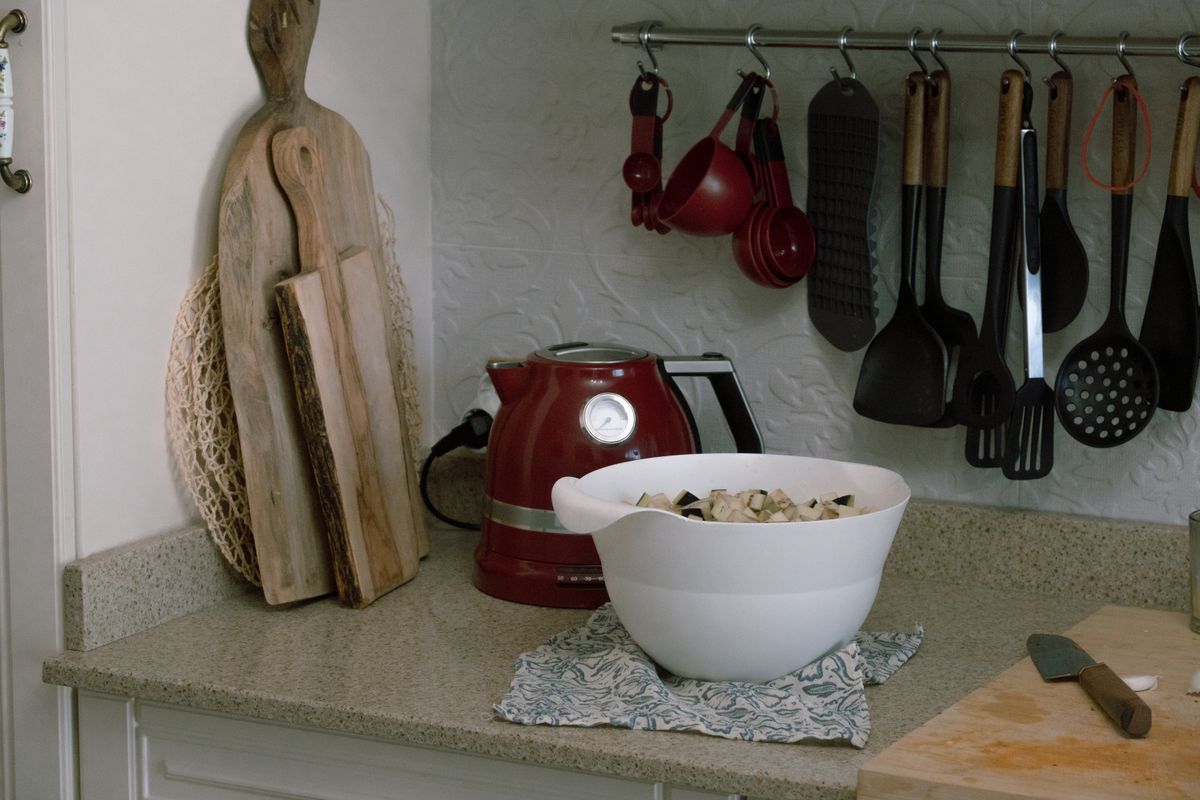
While silicone is soft and non-scratch, low-grade options leach fillers under heat and lack edge rigidity. Plastic melts easily and sheds microplastics into food. Smooth-sanded teak offers the best balance: zero coating scratch risk, absolute structural firmness for scraping, zero toxic leaching, and heat resilience.
Best choice for
- Smooth-Sanded Teak Utensils — Teak's tight grain and natural organic oils ensure zero surface scratching, no chemical leaching, and perfect edge rigidity for deglazing.
- 100% Platinum-Cured Silicone — Offers flexibility for scraping flexible bowl contours without damaging delicate surfaces.
- Avoid nylon plastic utensils if cooking above 350°F, as thermal degradation releases microplastics and warps edges.
- Avoid silicone utensils with unknown chemical fillers that emit chemical odors during pan contact.
- Acacia or Maple Wood — Good wooden alternatives, though they require more frequent oiling and have lower natural moisture resistance than teak.
Featured Solution: The 9-Piece Organic Teak Utensil Set
Transform your kitchen with our elegantly designed 9-piece teak utensil set, perfect for all your cooking and serving needs. Crafting your daily meals with the right tools makes all the difference.
What's Included in the Box:
- Salad Spoon & Salad Fork: Beautifully proportioned for gentle tossing and elegant table serving.
- Serving Spoon & Skimmer: Essential for scooping liquids, strains, and braises safely.
- Spatula & Turner: Smooth contoured edges that slide right under delicate eggs without tearing non-stick coatings.
- Slotted Turner & Ladle: Maximum control for high-heat pan sautéing and deep soup serving.
- Pasta Server: Perfectly spaced tines to grab pasta without scratching pot bottoms.
Real Kitchen Scenarios: High Heat, Deglazing, and Daily Stir-Frying
Searing Salmon in a Ceramic Non-Stick Skillet at High Heat — Use a Teak Slotted Turner. The solid wood body effortlessly slides beneath fragile skin without flexing or gouging the ceramic finish, and won't melt if rested on the pan rim.
Deglazing Pan Fond for a White Wine Reduction — Use a Flat Teak Spatula. Synthetic silicone spatulas fold under pressure, leaving caramelized bits stuck to the pan, while plastic risks scratching. Teak provides firm pressure to scrape up delicious flavor safely.
Serving Heavy Pasta and Sauce from Non-Stick Pots — Use a Teak Pasta Server & Ladle. The solid ergonomics support heavy portions effortlessly without bending like thin plastic handles.
Let me paint a picture of how these tools perform when the stove gets hot and dinner is on the line.
Let's speak frankly about what happens at the tip of your spatula when you're searing at high heat. Most home cooks spend hundreds of dollars on quality non-stick pan sets, only to ruin them within six months using cheap nylon plastic utensils.
The Hidden Danger of Nylon and Plastic
Nylon plastic utensils typically carry heat resistance ratings up to 375°F to 392°F. However, pan surface temperatures during routine frying easily exceed 420°F. When hard plastic touches that searing surface, micro-melting occurs almost instantly. Over time, the smooth edge of a plastic spatula turns into a frayed, burred edge. When you drag those microscopic plastic burrs across PTFE (Teflon) or ceramic coatings, they act like fine sandpaper, stripping away the non-stick matrix and shedding microplastics right into your dinner.The Silicone Softness Dilemma
Food-grade silicone solved the melting problem by offering heat thresholds up to 450°F. However, silicone creates a brand-new mechanical friction problem: it lacks edge firmness. When you try to scrape fond during deglazing or flip a thick 8-ounce sirloin burger, silicone spatulas twist and fold. To compensate, manufacturers often insert rigid plastic cores inside silicone skins. If that outer skin tears or degrades, water and bacteria get trapped inside the internal cavity.The Teak Wood Advantage: Nature's Precision Material
Teak (Tectona grandis) stands completely apart from soft woods and synthetic materials. Grown in tropical environments, teak naturally accumulates high concentrations of organic silica and natural oils. This dense grain structure gives teak utensils two unbelievable powers in the kitchen:By choosing handcrafted teak utensils, you eliminate chemical leaching entirely, preserve your cookware investment, and bring timeless natural beauty to your countertop.
More Non-Toxic Kitchen Guides
Expand your knowledge on cookware protection, non-toxic living, and kitchen tool maintenance:
- Non-Toxic Kitchen Guide: How to Choose Safe Utensils for High-Heat Cooking
- Can Wooden Utensils Melt or Catch Fire? Heat Safety FAQs Answered
- How to Clean and Maintain Teak Utensils to Keep Your Tableware Glossy and Fresh
- Mastering the Skimmer & Slotted Turner: How to Cook Scratch-Free on Non-Stick Pans
Frequently Asked Questions About Non-Stick Utensil Safety
Answers to common questions regarding material safety, heat tolerance, and care.
Cover photo by Evandro Paula Alves on Pexels.