
How Utensil Materials Impact Nonstick Pan Lifespan
How Utensil Materials Impact Nonstick Pan Lifespan
Investing in quality nonstick cookware can transform daily meal preparation, but using the wrong utensils can destroy delicate nonstick coatings in months. Understanding how material hardness affects cookware surfaces is crucial for extending pan longevity.
The Chemistry of Nonstick Coating Wear
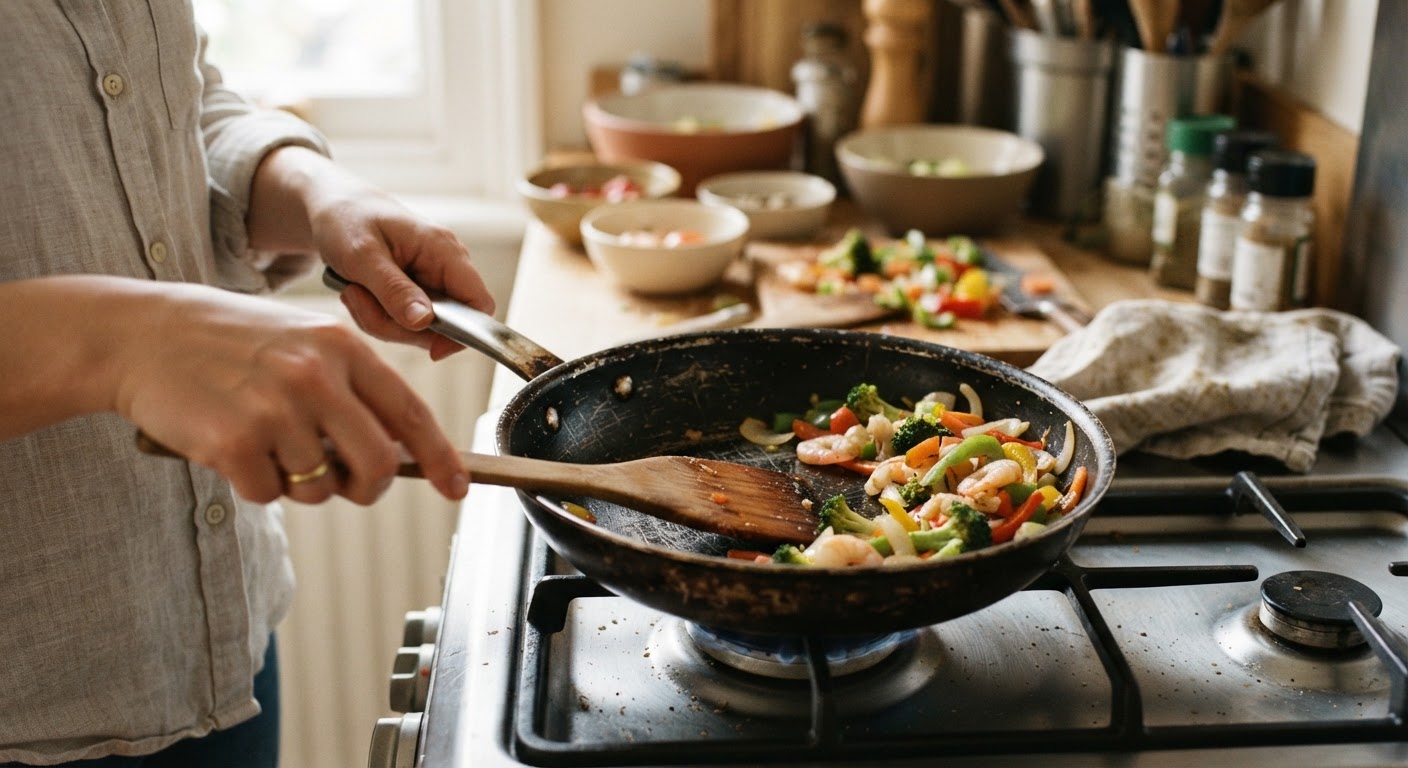
Nonstick skillet surfaces feature thin fluoropolymer layers designed to repel water and oils. While slippery, these layers possess low surface hardness. When harder materials rub against the coating under cooking pressure, friction produces microscopic tears. Over time, these micro-scratches expand, causing food to stick and coating flakes to peel.
As explained in the main guide, choosing non-abrasive tools is the single most effective way to prevent premature pan replacement.
Comparing Common Utensil Materials
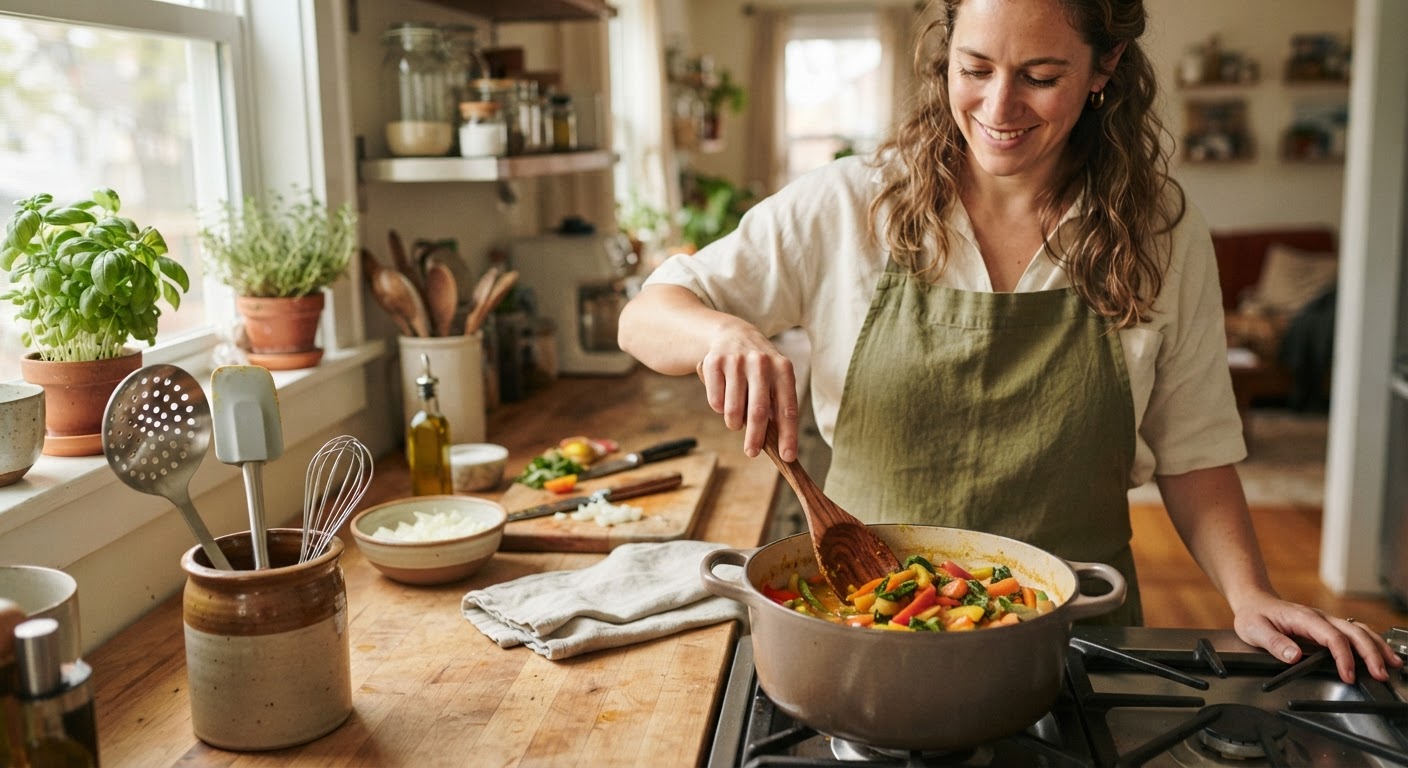
Kitchen tools generally fall into four material categories:
Why Hardwood Remains the Chef Standard
Hardwood utensils provide the perfect balance between rigidity and gentle contact. Premium Teak Utensils offer smooth, contoured edges that glide over nonstick skillet bottoms without gouging. Their natural oil density keeps moisture out, preserving tool shape and pan integrity across years of daily cooking.
Read the full guide: The Complete Guide to Nonstick Cookware Safety: Are Wooden Spoons Safe for Nonstick Pans?