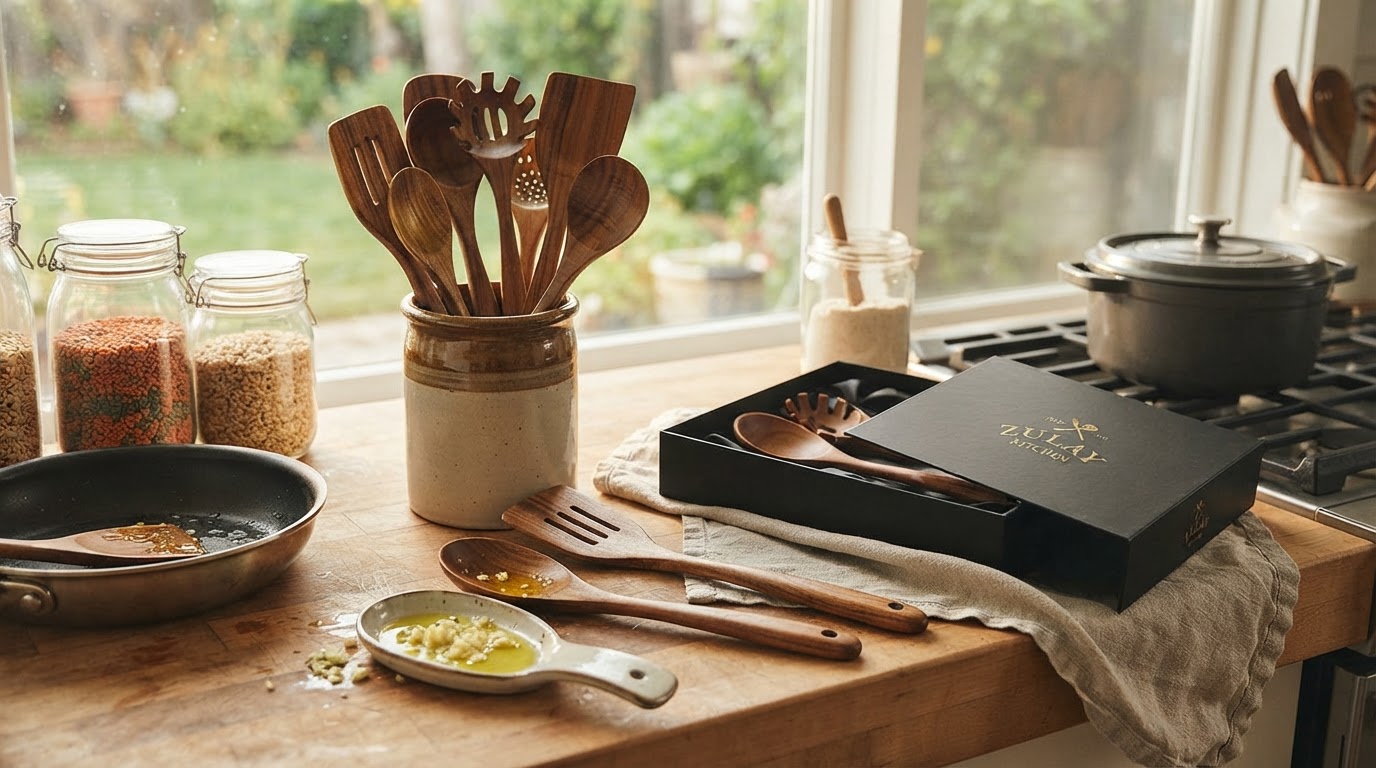
Teak Utensils Selection for Non-Toxic Cooking
 Sam VasquezBuying Guide Lead
August 5, 2026 — The shift toward chemical-free kitchens has placed a renewed focus on Teak Utensils as a primary alternative to plastic and silicone tools. As home cooks become increasingly wary of PFAS and microplastics leaching into high-heat meals, the demand for verified non-toxic wooden spoons has spiked across the industry.
Modern kitchen safety isn't just about the food; it's about the surface contact during the cooking process. According to the editors at AllRecipes, high-quality non-toxic wooden tools can effectively replace almost all other cooking utensils when they are finished with food-grade materials like lemon peel and mineral oil. This move away from synthetic polymers is essential for maintaining a clean culinary environment. While many generic brands use heavy lacquers or chemical glues, reputable options prioritize single-piece construction and plant-based finishes to ensure that no harmful vapors or residues enter your sauces or stews.
The Three-Point Safety Check
When I am evaluating wood tools, I look for three specific markers of safety: material origin, construction method, and finish. First, the wood must be a dense hardwood like teak or Vermont hardwood to prevent splintering and bacterial absorption. Second, the tool should be carved from a single piece of wood; glue-free construction is non-negotiable because adhesives can break down under heat and release toxins. Finally, the finish must be transparently disclosed. Between the mass-market options and artisanal pieces, I’d go with a single-piece teak design because its natural oils provide an inherent resistance to moisture that other woods lack without heavy processing. If you are comparing brands, Ziruma offers a 6-piece set that highlights a glue-free, one-piece build with a plant-based finish for roughly $29.95. Meanwhile, Vermont Spoon focuses on locally sourced hardwoods for those who prefer domestic timber. Skip this if you are looking for dishwasher-safe tools, as no truly non-toxic wooden spoon can survive the high-heat cycle of a machine without cracking. For the average home cook, a solid teak spoon provides the best balance of density and natural protection.
Expert tip: Check the grain density before your first use; a tighter grain indicates a slower-growing tree, which naturally resists absorbing food odors and requires less frequent oiling to remain non-toxic.
Maintaining these tools is straightforward but essential for safety. You should learn how to care for teak wood utensils-i7upd to prevent the wood from drying out and harboring bacteria. If you have just purchased a new set, knowing how to season teak utensils with a food-safe oil will create a protective barrier. For those building a sustainable kitchen from scratch, exploring organic wood kitchen tools and understanding maintaining teak utensils for longevity will ensure your investment lasts for decades. Here’s what I’d actually buy: a single-piece teak turner and a deep-well spoon, as these cover 90% of daily cooking tasks without the risk of chemical leaching.
Sources
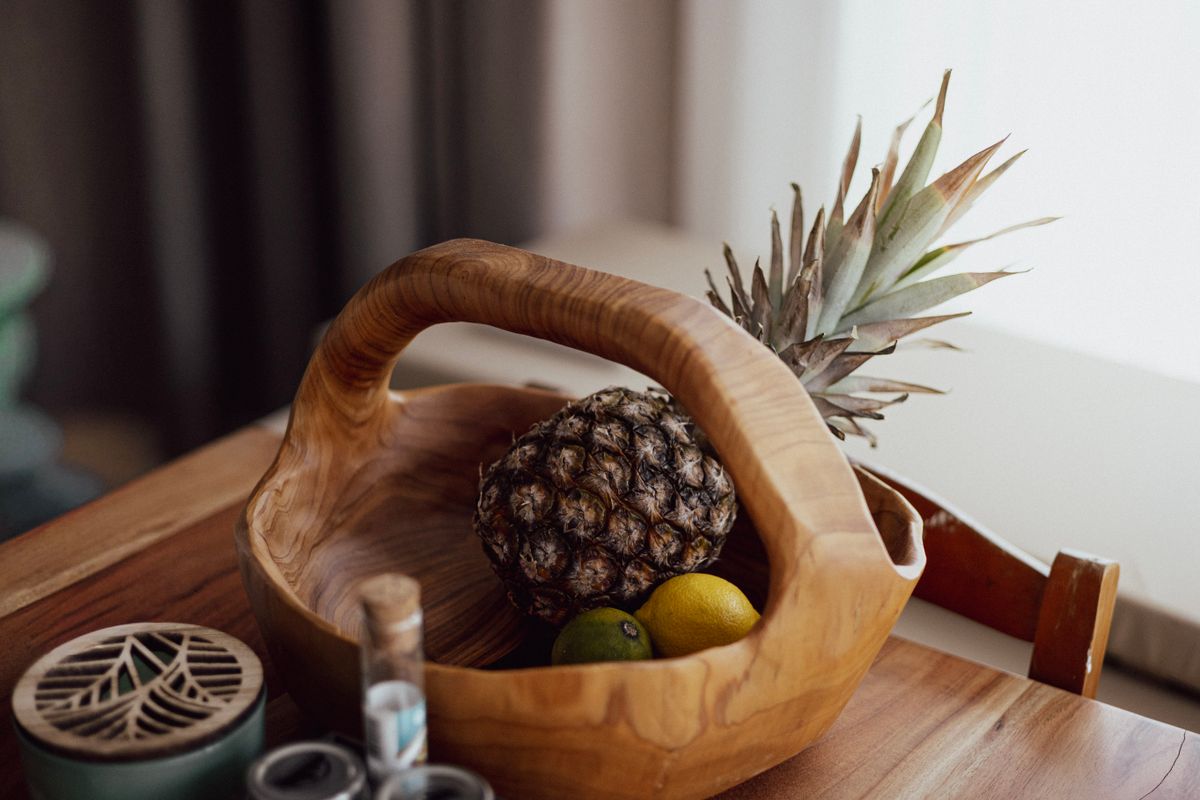
Photo by Ivan Georgiev on Pexels
- Non-Toxic Cooking Utensils 6-Piece, Glue-Free & One-Piece Wooden ...
- 10 Best Nontoxic Wooden Cooking Utensils (2026)
- This Non-Toxic Wooden Tool Replaced All My Cooking Utensils