
Teak vs. Stainless Steel Utensils: Which Belongs on Your Wedding Registry?
Should you register for organic teak wood utensils or industrial stainless steel? Register for teak utensils if your wishlist features non-stick, ceramic, or enameled cookware. Stainless steel will chip enamel and permanently scratch delicate non-stick coatings. For maximum culinary versatility, most couples should register for a complete 9-piece teak set paired with 2–3 stainless steel high-heat specialty tools.
Scenario-Based Comparison: Teak vs. Stainless Steel Utensils
| Kitchen Scenario / Task | Teak Wood Utensils | Stainless Steel Utensils | Winner & Recommendation |
| --- | --- | --- | --- |
| Non-Stick & Ceramic Cookware Stirring | 100% safe. Smooth wooden grain never scratches, gouges, or degrades non-stick coatings. | High risk of permanent scratch damage and coating flaking. Metal edges ruin non-stick surfaces. | Teak Wood. Preserves cookware investments and eliminates toxic PTFE/PFOA coating flaking. |
| Enameled Cast Iron Dutch Oven Cooking | Gentle surface contact prevents micro-chipping and dark metal transfer marks on porcelain enamel. | Leaves grey metal rub marks and can chip porcelain enamel linings during energetic stirring. | Teak Wood. Essential for protecting premium Dutch ovens and braisers. |
| High-Heat Searing & Pan Fond Scraping | Charring possible at temperatures above 450°F; cannot deglaze raw stainless pans aggressively. | Impervious to direct heat up to 800°F+; easily deglazes caramelized meat fond from raw steel/iron. | Stainless Steel. Best for high-temperature steak searing and heavy-duty scraping. |
| Stove-to-Table Family Serving | Warm organic wood aesthetic acts as table decor for dinner parties, salad tossing, and buffet lines. | Cold industrial appearance feels utilitarian on dining tables; prone to heat conduction. | Teak Wood. Seamlessly transitions from stove top prep to elegant dining table presentation. |
| Cleaning & Maintenance Routine | Requires a 30-second hand rinse with mild soap; needs occasional mineral oiling every 3–6 months. | 100% dishwasher safe; handles high-alkaline detergents and intense heat cycles without care. | Stainless Steel. Ideal for home cooks who strictly require dishwasher convenience. |
Evaluating kitchen tools by scenario helps you avoid damaging expensive cookware while ensuring effortless prep and elegant serving.
Failure Modes & Material Limits: Where Each Material Can Let You Down
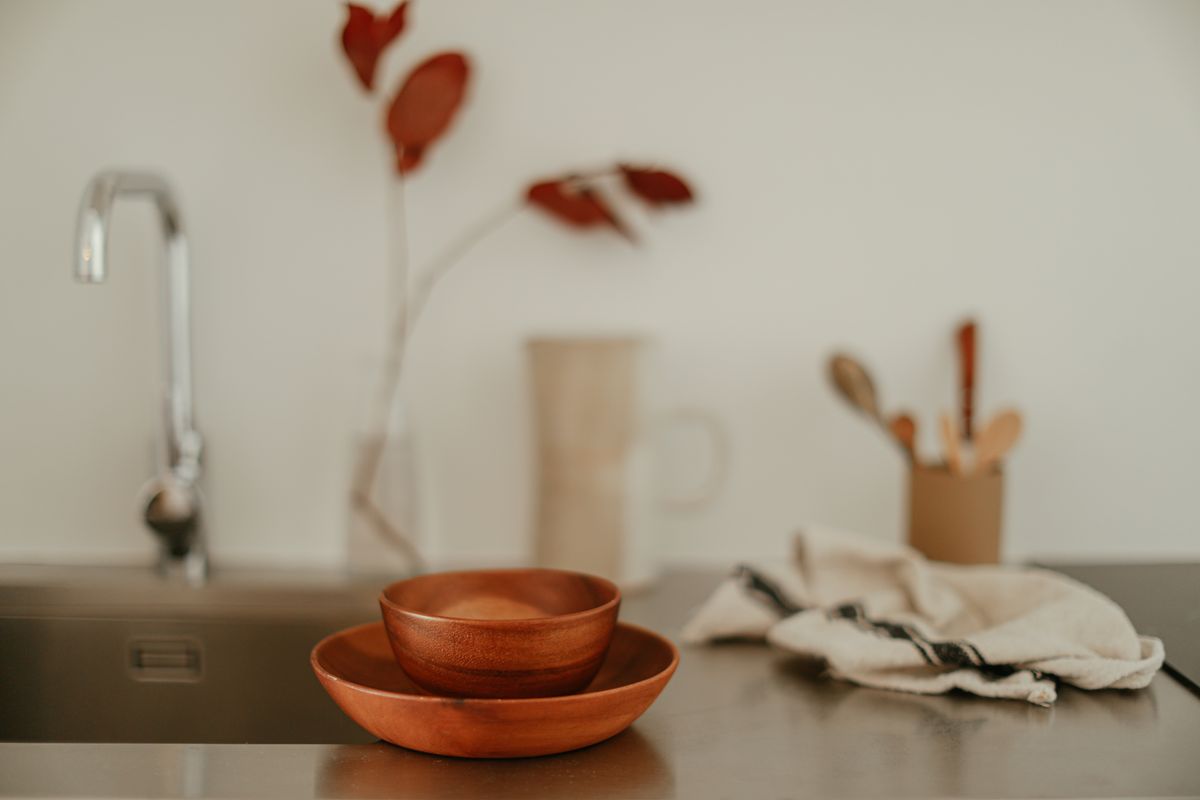
Photo by Cup of Couple on Pexels
Pros
- Teak Failure Mode: Dishwasher Warping & Drying. Placing teak utensils in the dishwasher strips natural silica oils, causing wood grain to raise, bleach, or split over repeated thermal cycles.
- Teak Material Limit: Open Flame Charring. Resting wooden handles directly on gas stove burners or high open flames cause scorching and structural charring.
- Stainless Steel Failure Mode: Cookware Destruction. Metal spatulas and spoons will strip PTFE/ceramic non-stick coatings and scratch delicate glass-enameled Dutch ovens within a single cooking session.
- Stainless Steel Material Limit: Thermal Conduction Burn Hazard. Metal handles left inside simmering pots transfer heat rapidly, burning bare hands upon contact.
- Teak Requires Hand Washing: Hand washing takes under 30 seconds with warm water and soap, but cannot be tossed into an automated dishwasher cycle.
- Stainless Steel Ruining Table Aesthetic: Metal utensils scratch ceramic serving bowls, clatter loudly against dinnerware, and look cold during casual family-style meals.
The Expert Registry Verdict: Why a Hybrid Mix Works Best
Instead of choosing an 'all-or-nothing' approach, culinary experts recommend the 70/30 Hybrid Rule for registry planning:
Ready to transform your kitchen with safe, durable, and beautiful tools?
Which Utensil Material Belongs on Your Registry? Decision Tree
- Are non-stick pans, ceramic cookware, or enameled Dutch ovens on your registry? → Yes: Choose Teak Wood Utensils to prevent scratches, metal marks, and surface chipping.. No: Do you strictly require dishwasher cleaning for 100% of your kitchen tools?
- Do you strictly require dishwasher cleaning for 100% of your kitchen tools? → Yes: Choose Stainless Steel Utensils (and pair only with uncoated clad steel or raw cast iron pans).. No: Do you love stove-to-table serving and entertaining guests during dinner parties?
- Do you love stove-to-table serving and entertaining guests during dinner parties? → Yes: Register for a complete 9-Piece Teak Set in a Premium Gift Box for maximum serving elegance.. No: Build a Hybrid Registry: 9-Piece Teak Set + 2 Stainless High-Heat Tools.
Core Takeaways for Registry Planners
- Teak wood is non-negotiable if you cook with non-stick, ceramic, or enameled cast iron pans.
- Teak's natural high oil content and dense grain make it superior to bamboo, maple, and softwoods in water resistance and durability.
- Stainless steel utensils should be reserved for uncoated stainless steel pans, cast iron deglazing, and high-heat grilling.
- Hand washing teak utensils takes seconds and preserves their rich finish for a lifetime when maintained with a light mineral oil coat every few months.
- A comprehensive 9-piece teak set eliminates mismatched kitchen clutter and comes packaged in a sliding gift box perfect for wedding registries.
Cookware & Lifestyle Decision Support
Teak utensils offer superior scratch protection, heat insulation, and presentation warmth for modern home cooks, while stainless steel handles raw skillet scraping and dishwasher cleaning.
Best choice for
- Teak Wood Utensils — Teak will not scratch or chip sensitive pan linings, preserving non-stick performance indefinitely.
- Stainless Steel Utensils — Steel handles ultra-high heat and aggressive pan fond scraping without thermal damage.
- Teak Wood Utensils — Teak provides a warm, organic aesthetic that looks like intentional table decor during family-style meals.
- Avoid stainless steel utensils if your registry relies heavily on non-stick or ceramic cookware sets.
- Avoid teak utensils if you strictly demand 100% dishwasher-safe kitchen tools and refuse manual hand-washing.
- Silicone Utensils — Heat-resistant and flexible, but lacks the structural rigidity for heavy stirring and lacks the luxury look of real teak for hosting.
- Bamboo Utensils — Cheaper wooden alternative, but splinters easier and lacks teak's natural high oil content and water resistance.
Top Registry Pick: The Complete 9-Piece Teak Utensil Set
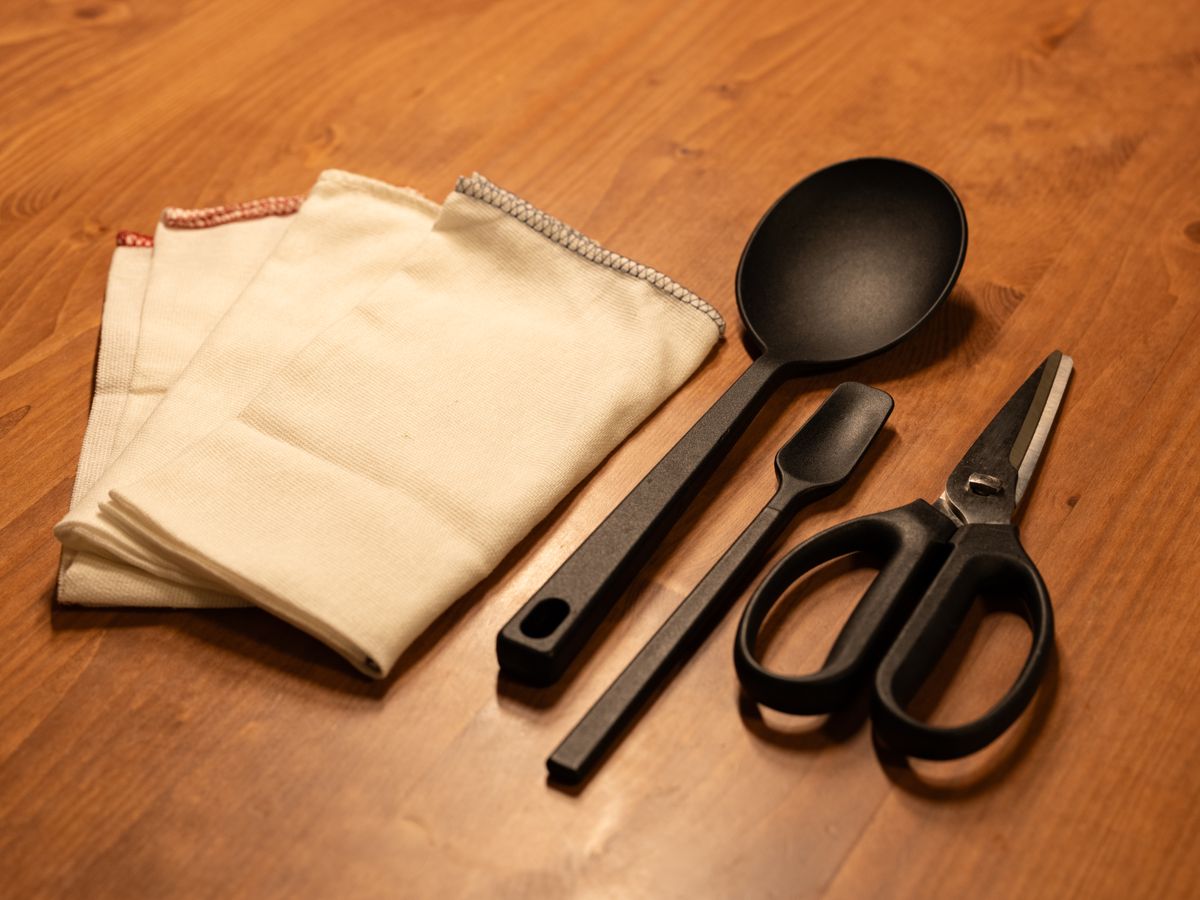
Transform your kitchen with our elegantly designed 9-piece kitchen utensil set, perfect for all your cooking and serving needs. Crafting a cohesive kitchen aesthetic starts with a unified collection.
Real-World Cooking & Hosting Scenarios
Simmering Tomato Sauce in an Enameled Dutch Oven — Use a Teak Cooking Spoon or Ladle. Metal spoons leave dark grey rub marks on white enamel interiors and cause micro-chips along the bottom rim. Teak glides smoothly across enamel without scratching, and the wooden handle remains cool to the touch even after 45 minutes of simmering.
Deglazing a Stainless Steel Skillet for Pan Sauce — Use a Stainless Steel Flat Turner or Fish Spatula. Scraping caramelized meat bits (fond) from uncoated stainless steel requires a hard metal edge. Teak can work, but a rigid metal spatula gives superior leverage for deep deglazing with wine or broth.
Hosting a Sunday Dinner Party with Tossed Salad & Pasta — Use Teak Salad Fork, Salad Spoon, and Pasta Server. Transitioning utensils from stove to dining table elevates your presentation. Teak tools match dining decor, operate silently against salad bowls, and feel luxurious in guests' hands.
Here is how teak and stainless steel perform across everyday cooking situations in a busy home kitchen.
When curating a wedding registry, couples are building the foundation of their home for decades to come. The debate between teak wood and stainless steel comes down to material science, cookware compatibility, and table presentation.
The Material Science of Teak Wood
Teak (Tectona grandis) is renowned worldwide as one of the most durable, water-resistant hardwoods in existence. Unlike softwoods or cheaper bamboo alternatives, natural teak contains high concentrations of organic silica and natural oils. This natural oil barrier repels moisture, resists fungal rot, and prevents deep food stain absorption.When sculpted into kitchen tools, teak offers an unmatched strength-to-weight ratio. It feels lightweight and balanced in hand, yet rigid enough to stir thick stews, fold heavy sourdough batter, or toss dense pasta dishes without flexing or cracking. Furthermore, teak has exceptionally low thermal conductivity—meaning the handle never absorbs heat from boiling liquids or searing hot pans, keeping your hands safe from accidental burns.
The Cookware Compatibility Crisis
Modern registries almost always feature high-end cookware sets—including non-stick fry pans, non-toxic ceramic skillets, and premium enameled cast iron Dutch ovens. Pairing stainless steel utensils with these coated surfaces is the number one cause of premature cookware failure.Stainless steel possesses a Rockwell hardness far exceeding PTFE coatings, ceramic glazes, and porcelain enamel linings. Every scrape of a metal spatula creates micro-abrasions on non-stick pans, rapidly stripping their non-stick release properties and causing dangerous coating flakes to end up in your food. On enameled cast iron, metal tools leave grey metallic transfer lines that mar the pristine interior finish. Teak wood, by contrast, is firm yet forgiving, offering complete peace of mind that your expensive cookware investments remain protected forever.
Stove-to-Table Hospitality
Beyond cookware protection, utensil choice directly impacts your hosting culture. Kitchen utensils are no longer hidden away in drawers; they reside in countertop display crocks and serve meals directly at the dining table. Teak wood brings natural warmth, rich grain contrast, and organic luxury to your kitchen counter. Each handcrafted piece features unique grain shades ranging from golden honey to deep cocoa brown, capped with a clear protective lacquer finish that highlights its natural beauty.Frequently Asked Questions
Get answers to common wedding registry and utensil care questions.
Your Next Registry Steps
Your decision: Choose the complete 9-Piece Teak Utensil Set in a sliding gift box as your core kitchen foundation, adding 2–3 stainless steel high-heat specialty tools if you cook with raw cast iron.
Do this next: Add the 9-Piece Teak Utensil Set with Gift Box directly to your wedding registry platform (Zola, The Knot, Amazon, or MyRegistry) or order directly today.
- Read next: The Ultimate Housewarming Gift Guide: Why Teak Kitchen Utensils Top the List
- Read next: How to Care for Your Gifted Teak Utensil Set: Cleaning, Drying, and Storage Tips
Teak Utensils 9-Piece Pack in Premium Gift Box
Ready to build the ultimate wedding registry kitchen setup? Take these action steps today.