Why Teak Beats Stainless Steel for Non-Stick Cookware: Pros, Cons, and FAQs
Picture this: you are gently flipping a golden crepe in your brand-new ceramic non-stick skillet when a sharp metallic edge leaves a deep, white gouge across the surface. It is a heart-sinking moment every home cook knows too well. Teak wood is far superior to stainless steel for non-stick and ceramic cookware because its naturally smooth grain and organic flexibility glide over delicate surfaces without scratching or peeling PTFE and ceramic coatings. Furthermore, teak's dense natural oil content provides exceptional moisture resistance and heat insulation, ensuring your utensils remain durable, beautiful, and cool to the touch during high-heat stovetop cooking.
Decision Matrix: Which Material Matches Your Cookware Setup?
Teak wood is the optimal choice for non-stick, ceramic, and delicate cookware, whereas stainless steel is better suited for high-heat stainless or cast-iron searing where scratching is not a concern.
Best choice for
- Teak Wood Utensils — Teak's close grain and soft organic structure protect delicate pan coatings from surface abrasion and gouging.
- Stainless Steel Utensils — Metal tolerates direct flame contact and can scrape stubborn baked-on bits without surface wear.
- You exclusively run all kitchen tools through commercial dishwashers on extreme high-heat dry cycles.
- You regularly scrape carbon build-up off heavy outdoor steel flat-top griddles.
- Food-grade Silicone — Flexible and scratch-free, though lacks the structural rigidity, natural beauty, and weight of organic teak wood.
- Bamboo Utensils — An inexpensive scratch-free option, but prone to quick drying, splintering, and warping compared to oil-dense teak.
Top Recommendation for Delicate Cookware Protection
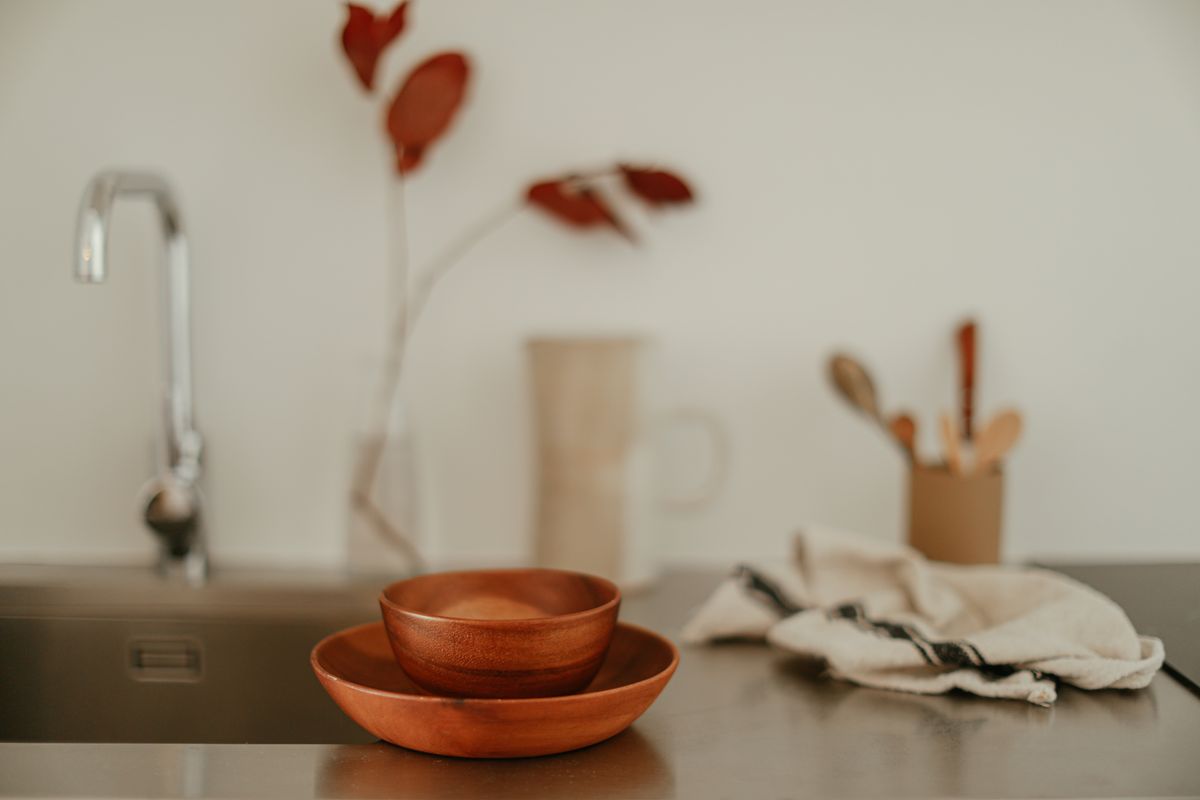
Photo by Cup of Couple on Pexels
If you want to protect your non-stick skillet investment while upgrading your kitchen aesthetics, a handcrafted teak wooden utensil collection offers the ultimate combination of elegance, ergonomics, and safety.
Pro Chef Tip: Surface Hardness vs. Coating Longevity
The mechanics of non-stick coating failure come down to comparative surface hardness. Stainless steel registers significantly higher on the Mohs hardness scale than PTFE (Teflon) or sol-gel ceramic coatings. When a rigid steel edge contacts a non-stick pan, even mild pressure exerts hundreds of pounds per square inch of sheer force along microscopic contact points. This slices open the polymer matrix, leading to flaking, food adhesion, and premature pan retirement.
Teak wood, on the other hand, possesses a close-grained hardwood structure enriched with natural silica and teak oils. It provides enough structural strength to lift heavy roasted meats or thick pasta, yet remains softer than non-stick pan coatings. When teak glides across ceramic or non-stick cookware, it deflects gently on a micro-level, preserving the pan's factory non-stick seal for years.
Head-to-Head: Teak Wood vs. Stainless Steel
Pros
- 100% safe for all non-stick, ceramic, and enamel cookware coatings
- Naturally insulated handles stay comfortably cool during active stovetop cooking
- High natural oil content delivers organic water and stain resistance
- Quiet, pleasant tactile feedback without harsh metallic scraping sounds
- Stunning organic wood grain pattern brings warmth to kitchen counters
- Requires quick hand-washing rather than automatic dishwasher cleaning
- Needs occasional re-oiling with food-safe mineral oil to retain high gloss
Side-by-Side Comparison: Hardness, Heat, and Hygiene
| Performance Metric | Teak Wood Utensils | Stainless Steel Utensils |
| --- | --- | --- |
| Non-Stick Coating Safety | 100% Safe (Zero Scratching Risk) | High Abrasion Risk (Causes Scratches) |
| Heat Conductivity | Low (Handle Stays Cool) | High (Handle Absorbs Heat Rapidly) |
| Acoustic & Tactile Comfort | Quiet, Soft Surface Glide | Loud Metallic Scraping Noises |
| Moisture & Water Resistance | High (Rich Natural Oils & Lacquer Finish) | Immune to Water Absorption |
| Cleaning & Maintenance | Hand-Wash Only with Mild Soap | Dishwasher Safe |
| Cookware Lifespan Impact | Extends Pan Lifespan dramatically | Shortens Non-Stick Pan Lifespan |
This comparative breakdown details how teak wood and stainless steel stack up across core performance factors in non-stick cooking environments.
Immediate Next Steps for Protecting Your Cookware
Your decision: Transition away from metal turners and rigid spatulas when using non-stick or ceramic cookware.
Do this next: Equip your kitchen with a complete 9-piece handcrafted teak utensil set designed for effortless multitasking and zero cookware damage.
- Read next: Teak vs. Silicone vs. Plastic for non-stick safety
- Read next: how to oil and maintain teak kitchen utensils
Elevate your daily cooking experience with our 9-Piece Teak Utensil Set, complete with a beautiful sliding gift box and our craftsman's promise.
Taking action now can save you hundreds of dollars in replaced cookware over the coming years.
Featured Solution: The Complete 9-Piece Teak Utensil Collection
Why buy piece by piece when you can equip your kitchen with a matched set engineered for every culinary task? The 9-Piece Teak Utensil Collection provides all the essential tools you need while keeping your delicate pans safe from harm.
Key Takeaways: Material Safety Summary
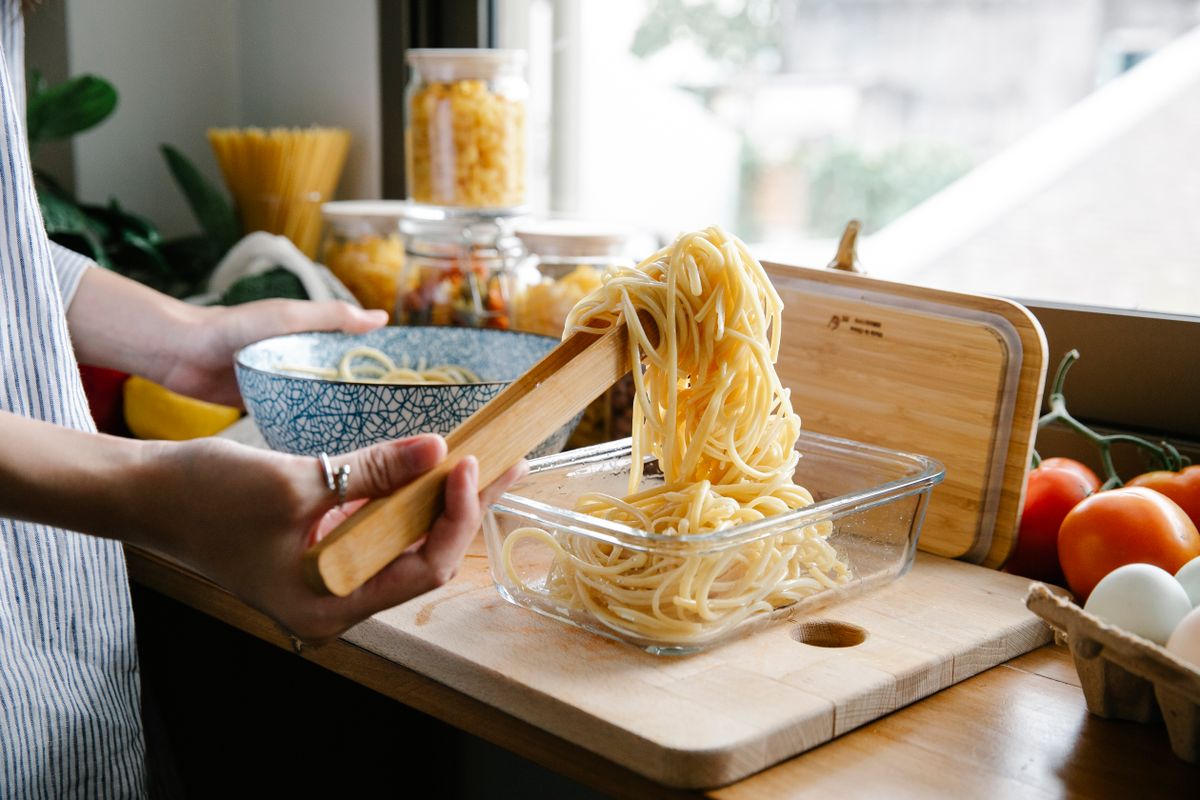
Photo by Sarah Chai on Pexels
Here is what you need to remember when balancing cookware care, durability, and daily kitchen efficiency:
Non-Stick Cookware Utensil Safety Checklist
- Inspect utensil edges: Confirm there are no sharp metal burrs, jagged plastic seams, or cracked edges.
- Assess thermal transfer: Ensure the tool handle does not conduct intense stovetop heat during long simmers.
- Verify surface compatibility: Use close-grained natural hardwoods like teak over hard stainless steel on non-stick pans.
- Check protective coating: Look for smooth, clear, food-safe lacquer finishes that resist oil and juice absorption.
- Check ergonomic balance: Ensure lightweight handling for comfortable flipping, stirring, and multitasking.
5 Critical Mistakes Cooks Make with Non-Stick Utensils
Avoid these common habits to keep both your non-stick skillets and wooden utensils in pristine condition.
Frequently Asked Questions: Teak vs. Metal Kitchenware
Got questions about upgrading your cooking tools? Here are straightforward answers to common queries about teak utensils.
Explore Related Guides & Material Comparisons
Continue expanding your knowledge on cookware care, material safety, and kitchen ergonomics with these educational guides:
Protect Your Cookware Investment Today
Your decision: Swap out metal spatulas and turners when using non-stick or ceramic cookware to prevent micro-scratching.
Do this next: Switch to a handcrafted 9-piece teak utensil set with high natural oil content for scratch-free, durable daily cooking.
- Read next: Teak vs. Silicone vs. Plastic: Which Utensils Are Actually Safe for Non-Stick Pans?
- Read next: How to Oil and Maintain Teak Kitchen Utensils for Lifelong Shine
Elevate your non-stick cooking experience with our 9-Piece Teak Utensil Set, complete with our craftsman's promise.
Ready to eliminate pan scratches and bring natural beauty into your kitchen routine?
Cover photo by PNW Production on Pexels.