Teak Wood vs. Silicone Kitchen Utensils: The Ultimate Comparison
Are you torn between natural teak wood and synthetic silicone kitchen utensils? Choose teak wood if you want rigid leverage for heavy stirring, 100% non-stick pan safety, natural water resistance, and elegant presentation. Choose silicone if your absolute priority is automatic dishwasher cleaning and ultra-flexible bowl scraping. For long-term durability, structural integrity, and non-scratch performance, high-oil teak wood is the superior natural choice.
Teak vs. Silicone: Scenario-Based Comparison Matrix
| Cooking Scenario / Task | Teak Wood Utensils | Silicone Utensils | Performance Winner |
| --- | --- | --- | --- |
| Stirring Thick Stews & Heavy Batters | Rigid, sturdy leverage; zero flex or bend under heavy ingredient loads. | Flops and bends under heavy weight, making thick doughs and stews difficult to maneuver. | Teak Wood |
| Deglazing Pans & Scraping Fond | Firm flat edge easily lifts caramelized brown bits off pan bottom without scratching cookware. | Edge is too soft to lift stuck fond efficiently; tends to slide over stubborn bits. | Teak Wood |
| Resting Tool on Hot Skillet Edge | High natural thermal resistance; will not melt, deform, or leach synthetic chemicals. | Can warp, notch, or melt if left touching pan rims above 450°F for extended periods. | Teak Wood |
| Scraping Curvy Batter Bowls | Rigid edges leave small residue curves in flexible bowl sides. | Ultra-flexible pliable head conforms seamlessly to rounded bowl contours. | Silicone |
| Cooking Pungent Garlic, Curry & Acids | Natural tight grain and protective lacquer coat resist deep oil and odor penetration when rinsed promptly. | Silicone polymers absorb fat-soluble molecules, often retaining garlic and dish soap smells indefinitely. | Teak Wood |
| Table Serving & Aesthetic Appeal | Organic warm wood grain finishes enhance dinner table presentation and rustic elegance. | Looks functional and industrial; lacks natural beauty for formal table serving. | Teak Wood |
| Dishwasher Sanitization Cycle | High heat cycles and harsh detergents strip natural oils, risking wood drying and cracking. | 100% dishwasher safe; withstands repeated automated high-heat wash cycles. | Silicone |
This head-to-head evaluation compares how teak wood and food-grade silicone hold up under specific daily cooking tasks, temperature stresses, and cleaning routines.
Material Failure Modes: Where Silicone and Teak Fall Short
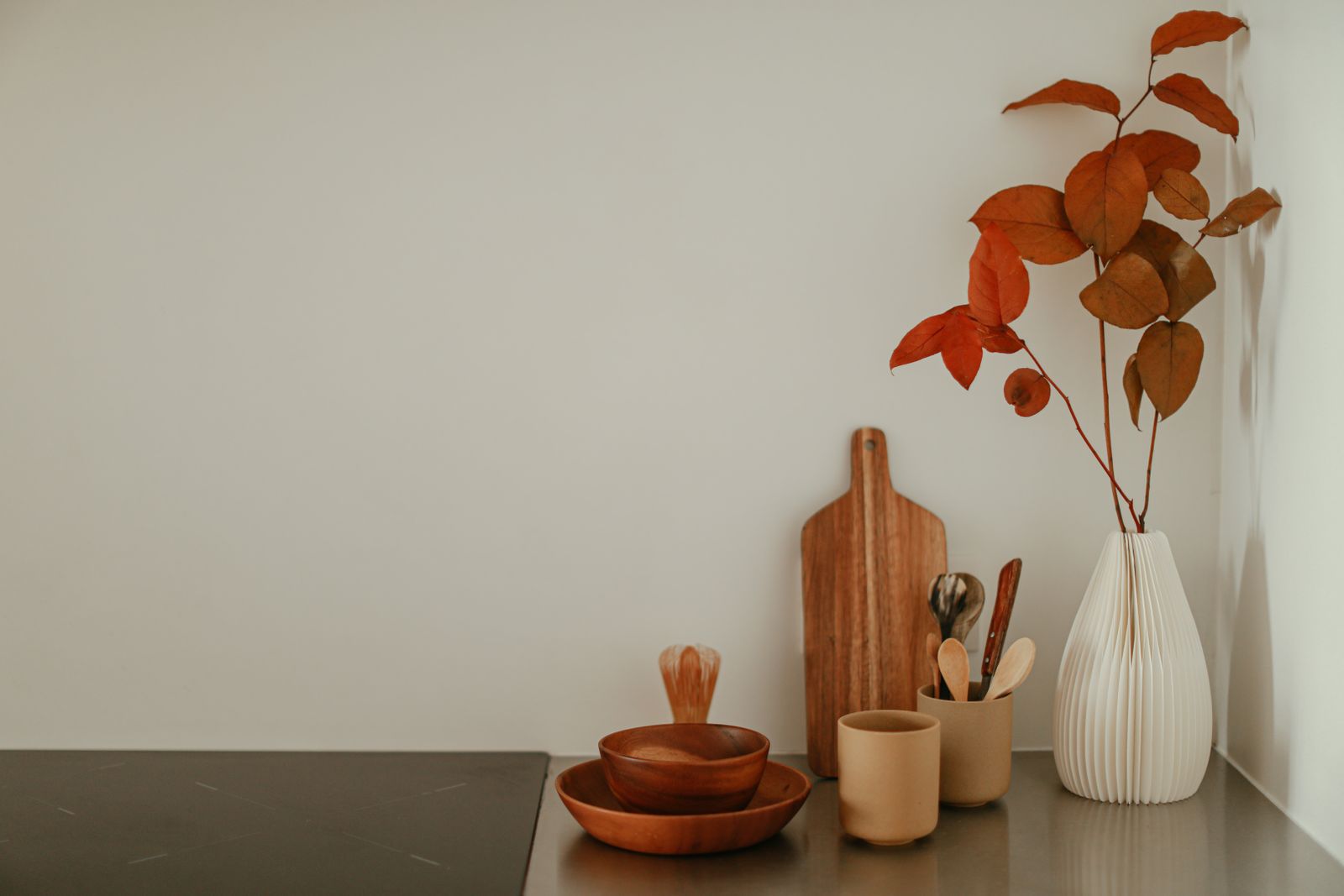
Photo by Cup of Couple on Pexels
Pros
- Teak: High natural oil content provides exceptional water resistance and strength.
- Teak: Smooth, rounded wood grain will never scratch delicate non-stick ceramic or Teflon pans.
- Teak: Strong rigid handles provide powerful leverage for scraping pan bottoms and mixing thick batters.
- Teak: Elevated visual aesthetic allows tools to transition seamlessly from stove to dinner table.
- Silicone: Flexible heads easily scrape curved mixing bowls completely clean.
- Silicone: Safe for high-heat baking and automated dishwasher cleanup.
- Silicone Failure Mode — Edge Melting: Resting a silicone spatula on a hot skillet rim can notch or melt the head, potentially contaminating food.
- Silicone Failure Mode — Odor Retention: Silicone synthetic matrix absorbs grease and food odors (curry, garlic, onion) that persist through multiple washes.
- Silicone Failure Mode — Structural Floppiness: Lacks the rigidity needed to flip heavy cuts of meat or stir dense stews without bending.
- Teak Failure Mode — Dishwasher Damage: Cleaning teak in an automatic dishwasher causes high dry-heat cycles to strip protective coatings and crack the wood.
- Teak Failure Mode — Color Variations: Natural teak wood exhibits organic shading differences across pieces rather than uniform synthetic color.
Our Top Recommendation: 9-Piece Teak Kitchen Utensil Set
For home cooks who want non-stick safety, superior strength, and effortless multitask capability, the 9-Piece Teak Utensil Set delivers unmatched value.
Why It Wins:
- Complete Culinary Coverage: Includes a salad spoon, salad fork, serving spoon, skimmer, spatula, turner, ladle, pasta server, and slotted turner.
- Non-Stick Surface Protection: Silky-smooth hardwood finish preserves delicate ceramic, enamel, and Teflon coatings.
- High Natural Water Resistance: Clear lacquer seal keeps moisture out and glossy finish intact.
- Ready for Gifting: Arrives packaged in an elegant sliding gift box with hanging storage holes on every handle.
- Craftsman's Promise: We stand behind every set.
Pro Chef Insight: Leverage vs. Flexibility in the Pan
When deglazing a pan after searing meat, flexibility is your enemy. You need structural leverage to dislodge caramelized fond from the steel or ceramic surface. A rigid teak spatula applies uniform mechanical force across its flat leading edge, cleanly lifting flavor bits without scratching delicate non-stick coatings. Reserve silicone for cold bowl-scraping, and rely on hardwood teak when heat, friction, and resistance are present on the cooktop.
Utensil Choice Flowchart: Which Material Do You Need?
- Is your primary goal protecting non-stick cookware while stirring heavy foods and serving at the table? → Yes: Choose Teak Wood Utensils for rigid leverage, non-scratch protection, and stunning organic aesthetics.. No: Continue to next question.
- Do you insist on putting every single kitchen tool into the dishwasher? → Yes: Choose Silicone Utensils, but accept flexible handling and potential odor absorption.. No: Choose Teak Wood Utensils. A quick 15-second hand wash preserves their glossy finish for decades.
How to Make Your Decision
Your decision: Determine whether natural hardwood durability and pan safety (Teak) or dishwasher automation (Silicone) best fits your daily cooking style.
Do this next: If you use non-stick ceramic, Teflon, or enamel cookware, replace scratch-prone plastic and floppy silicone with a complete teak set.
- Read next: Teak vs. Silicone vs. Plastic: Cookware Safety Comparison
Elevate your kitchen with the 9-Piece Teak Utensil Set, featuring a sliding gift box and our craftsman's promise.
Ready to transform your cooktop experience? Select the option that aligns with your pan collection and maintenance preference.
Key Takeaways: Teak Wood vs. Silicone
- Structural Strength: Teak provides sturdy, unyielding leverage for heavy stews and deglazing, whereas silicone bends under weight.
- Heat Behavior: Teak handles resting on hot pan edges without melting, while silicone can warp or notch under direct rim contact above 450°F.
- Odor Resistance: Teak's tight grain and protective lacquer coat prevent curry and garlic absorption; silicone easily retains synthetic dish soap and food smells.
- Care Requirements: Teak requires quick hand-washing with mild soap; silicone can withstand automatic dishwasher sanitization.
- Longevity: Teak wood utensils backed by our craftsman's promise provide superior multi-year value compared to disposable or easily torn silicone tools.
Detailed Decision Support: Matching Material to Cookware
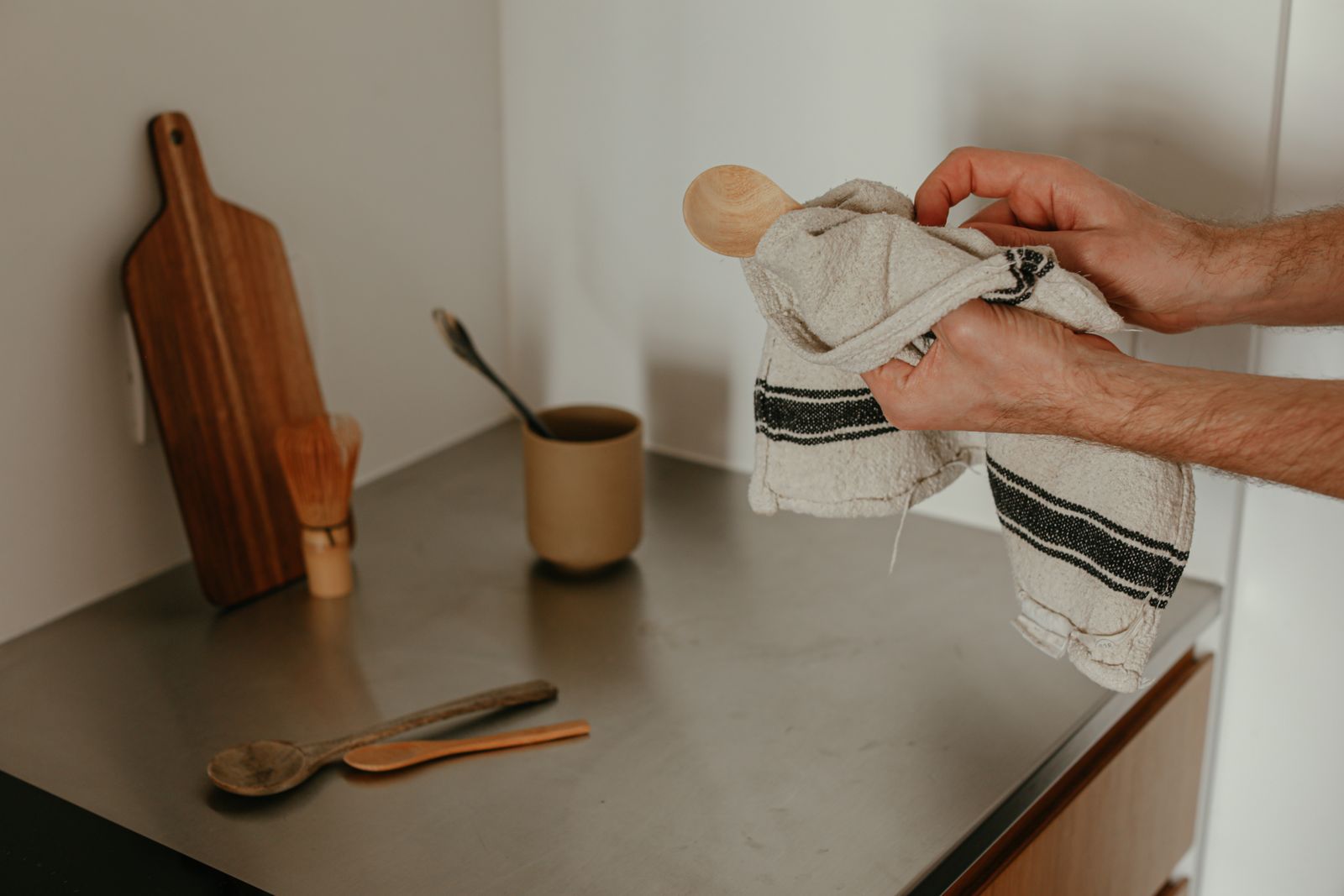
Photo by Cup of Couple on Pexels
Teak wood utensils offer superior leverage, elevated dinner table presentation, and non-stick pan safety without melting risks. Silicone excels in flexibility for cold baking, but suffers from floppy structural control, melting on pan edges, and lingering food odors.
Best choice for
- Teak Wood Utensils — Smooth rounded edges glide across pan coatings without scratching, while the rigid core allows thorough sauteing.
- Teak Wood Utensils — Provides mechanical force needed to scrape browned fond and stir dense food loads without flexing.
- Silicone Utensils — Pliable spatulas bend against curved glass bowl walls to remove wet batter efficiently.
- Avoid silicone if you dislike lingering garlic, onion, or dishwasher detergent odors on your utensils.
- Avoid silicone if you need to lift heavy roasts or scrape stubborn fond from pan bottoms.
- Avoid teak wood if you strictly require dishwasher cleaning and refuse to hand-wash wooden tools.
- Stainless Steel Utensils — Best reserved for bare cast iron or stainless steel pans where non-scratch protection is not required.
Featured Solution: The Complete 9-Piece Teak Utensil Collection
Everything you need to stir, skim, flip, serve, and strain—crafted from premium high-oil teak wood.
- Included Tools: Salad Spoon, Salad Fork, Serving Spoon, Skimmer, Spatula, Turner, Ladle, Pasta Server, Slotted Turner.
- Build Quality: Lightweight, smooth texture, comfortable grip, integrated handle hanging holes.
- Dimensions: 13.58" L x 4.13" W.
- Presentation: Packaged in a stunning sliding gift box, ideal for housewarmings, Christmas, Thanksgiving, and weddings.
- Our Promise: We stand behind every set.
Real-World Kitchen Scenarios: Teak vs. Silicone in Action
Searing Steak & Flipping Burgers on Non-Stick Skillets — Use the Teak Slotted Turner. Its thin, smooth wood leading edge slides under meat effortlessly without flexing or gouging pan coatings.
Simmering Marinara & Cream Sauces for Hours — Use the Teak Spatula. Resting teak on the pot edge will not melt synthetic fibers into your slow-cooked sauce.
Serving Fresh Garden Salads at the Table — Use the Teak Salad Spoon & Fork set. The natural organic grain provides a beautiful presentation that synthetic tools cannot match.
Scraping Wet Cake Batter from Glass Bowls — Use a flexible Silicone Scraper to wipe deep bowl curves clean, then switch to teak for baking pans.
Here is how both materials perform in daily meal preparation tasks.
To understand why teak (Tectona grandis) stands out among hardwoods and synthetic materials, consider its chemical composition. Teak contains a remarkably high natural concentration of silica, resin, and organic latex oils. These inherent natural oils create a hydrophobic barrier inside the wood fibers, making teak naturally resistant to moisture, rot, and bacterial absorption.
The Problem with Silicone Polymers
While food-grade silicone is non-toxic and heat-tolerant, it is composed of synthetic siloxane polymers. These polymers are lipophilic, meaning they naturally attract and retain fats, lipids, and hydrophobic aroma compounds. When you cook garlic-heavy dishes or tomato sauces with silicone, the oils bond to the polymer matrix. Over time, heat cycles lock these odors into the tool, which can transfer back into mild foods like delicate breakfast eggs.The Hardwood Advantage
In contrast, teak wood sealed with a protective clear lacquer coating prevents oil penetration. The smooth, dense grain structure acts as an unyielding shield against scratch marks on non-stick pans. Unlike softer woods like pine or bamboo, teak does not splinter, pill, or absorb liquids easily. When properly cared for with a 15-second hand wash, a teak utensil set retains its structural elegance and glossy finish for generations.Explore Related Cooking & Care Guides
Expand your knowledge on cookware safety and natural wood maintenance with these related articles:
- Teak vs. Silicone vs. Plastic: Which Utensils Are Actually Safe for Non-Stick Pans?
- How to Clean and Maintain Teak Utensils: Keep Your Tableware Glossy and Fresh
- Hardwood Comparison Guide: Teak vs. Acacia, Maple, and Olive Wood Cooking Sets
- Non-Toxic Kitchen Utensil Guide: How to Choose Safe Tools for High-Heat Cooking
Frequently Asked Questions About Teak and Silicone Utensils
What is the short answer on Teak Wood vs. Silicone Kitchen Utensils? Are you torn between natural teak wood and synthetic silicone kitchen utensils? Choose teak wood if you want rigid leverage for heavy stirring, 100% non-stick pan safety, natural water resistance, and elegant presentation.
How to Make Your Decision? Choose silicone if your absolute priority is automatic dishwasher cleaning and ultra-flexible bowl scraping.
How do you choose between the options in Teak Wood vs. Silicone Kitchen Utensils? Choose teak wood if you want rigid leverage for heavy stirring, 100% non-stick pan safety, natural water resistance, and elegant presentation.
What should you do next?
- Ready for Gifting: Arrives packaged in an elegant sliding gift box with hanging storage holes on every handle.
Cover photo by Bruno Curly on Pexels.