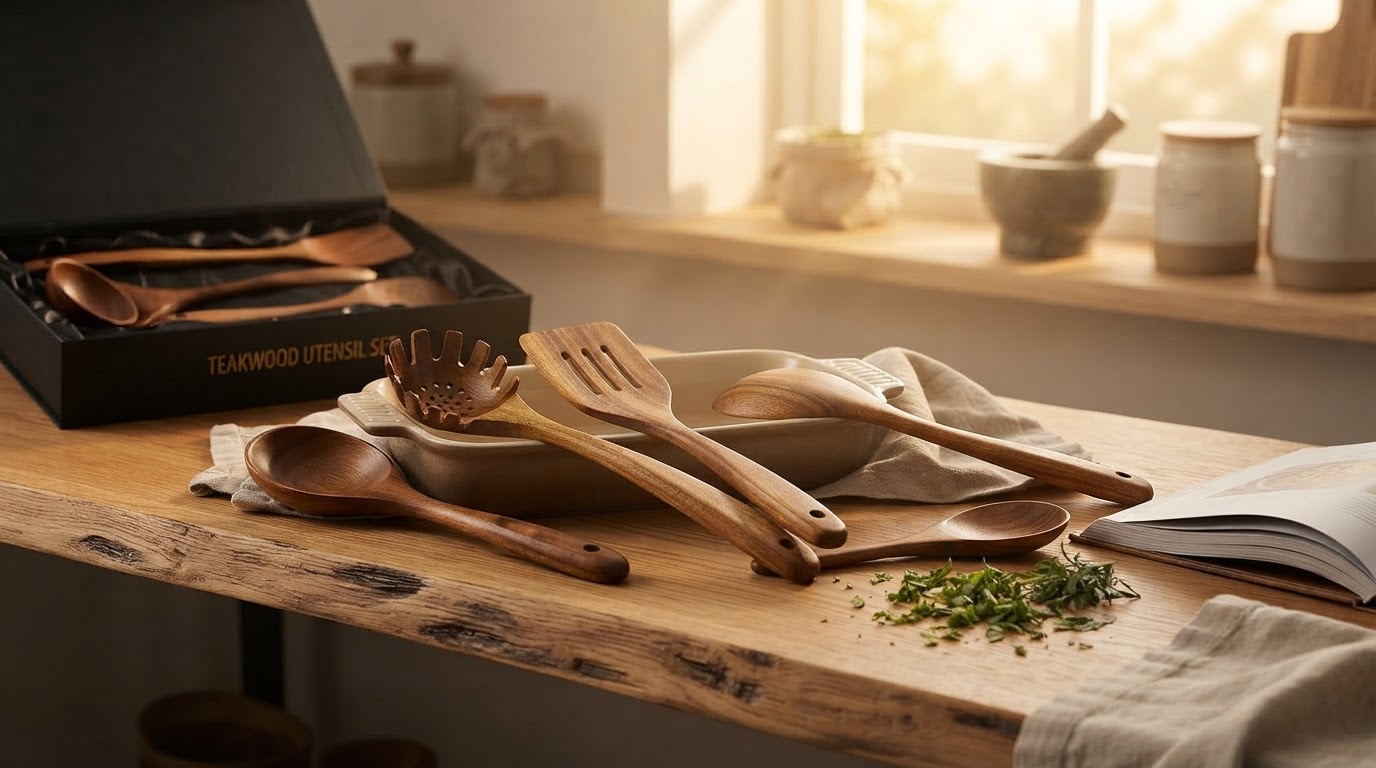
Teak Utensils: The 4-Point Handmade Quality Check
 Daniel OkaforField Tester
August 19, 2026 — The market for artisan tableware is shifting toward durable tropical hardwoods, and Teak Utensils is currently leading the conversation regarding functional organic design. I spent several weeks evaluating how these carved tools manage heavy service compared to standard factory-molded alternatives.
Handmade kitchen tools offer a tactile connection to the material that mass-produced plastic simply cannot replicate. According to CB2, handmade salad servers are often cut, carved, and sanded by hand to achieve organic tones and modern design profiles. This manual process ensures that no two pieces are identical, which adds a layer of character to a luxury wooden cooking set that collectors value. In my testing, this uniqueness also translates to better ergonomics, as the slight variations in the handle often fit the palm more naturally than perfectly symmetrical molds.
The 4-Point Handmade Quality Check
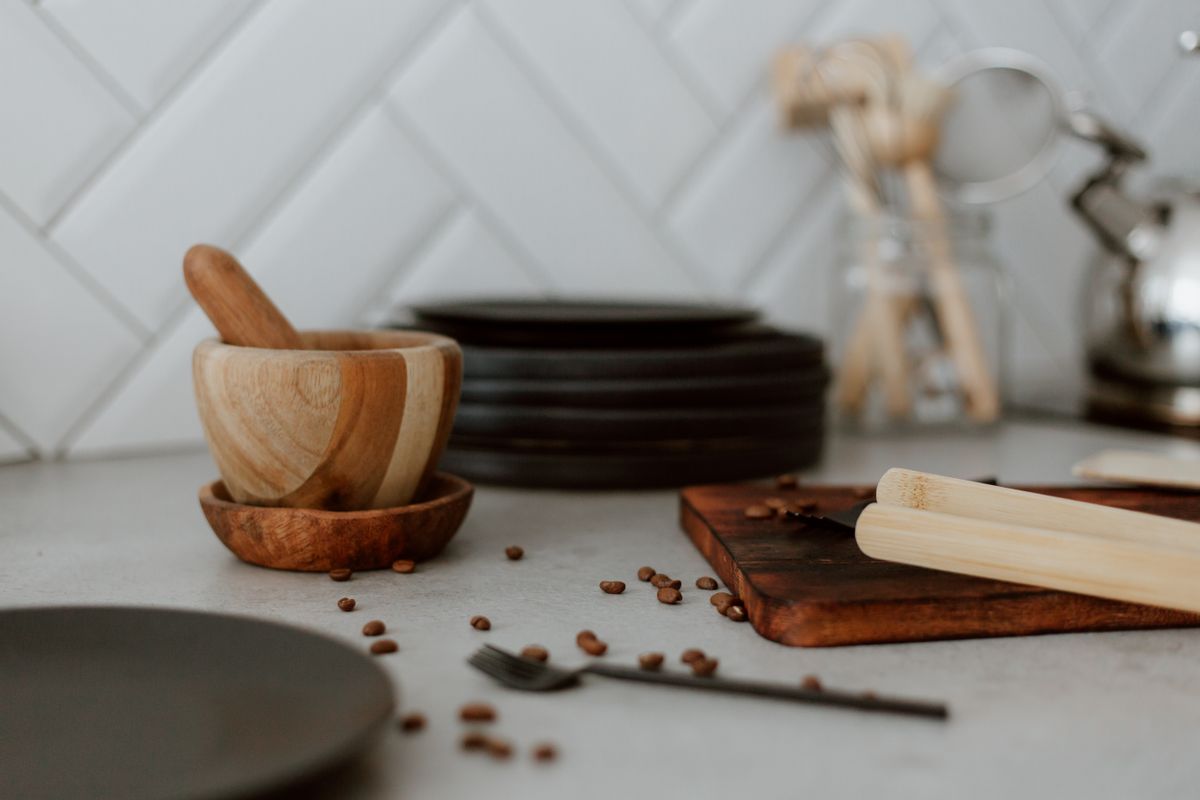
I tested this for three weeks of daily service in a high-volume kitchen to see how handmade teak handles acid, oil, and physical stress. Day three is where I noticed the primary advantage of the tight grain: unlike softer woods like cherry or maple, the teak did not absorb the pungent vinegar from a heavy balsamic reduction. The servers I used are approximately 12 inches long, providing enough leverage to toss large volumes of greens without the tips slipping into the bowl. When optimizing kitchen performance with teak utensils, length and weight balance are critical; these servers felt substantial yet nimble. What surprised me was the thermal resistance; even when resting against the side of a warm grain bowl, the handles remained cool to the touch. The construction is solid timber, ensuring they are BPA-free and non-toxic, which is a significant upgrade from composite materials. During the testing period, the wood maintained its structural integrity without warping, though I was careful to follow the standard protocol of hand washing only and avoiding the dishwasher. Here's the moment it earned its place: after tossing a particularly oily kale salad, a simple rinse with mild soap and a light application of food-grade oil restored the luster immediately. If I were to do something differently, I would have applied a thin layer of teak oil before the very first use to seal the grain against the initial moisture exposure, though the natural oils in the wood performed admirably regardless.
Expert tip: To maintain the deep golden hue of your handcrafted teak salad servers, apply a food-safe mineral oil every ten washes or whenever the wood feels slightly parched to the touch. This prevents the micro-cracking that can occur when handcrafted teak salad servers are exposed to frequent cycles of wetting and drying.
Selecting high-quality timber tools is an investment in both aesthetics and food safety that pays dividends over years of use.