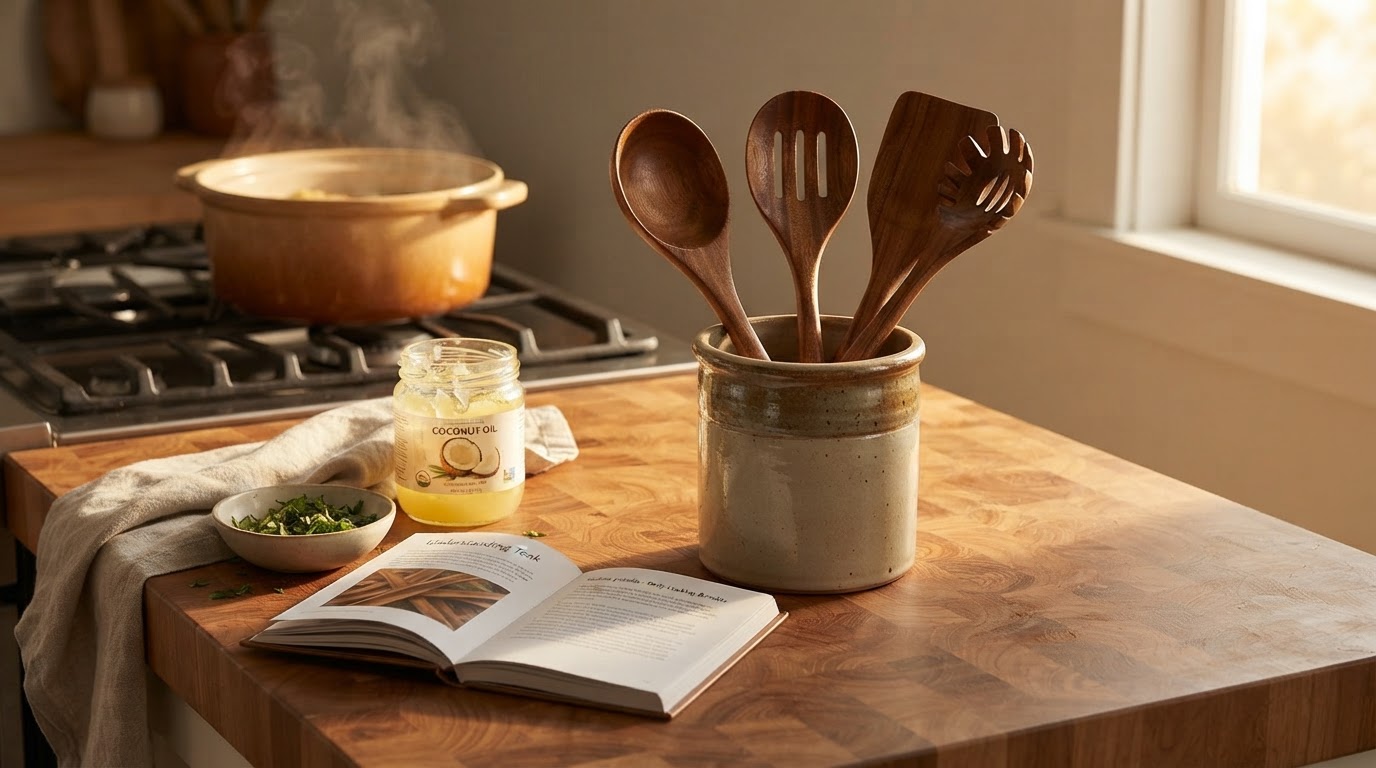
Which Wood Does Teak Utensils Recommend for Daily Cooking?
 Sam VasquezBuying Guide Lead
August 15, 2026 — While several hardwoods are suitable for the kitchen, Teak Utensils recommends Tectona grandis (teak) for daily cooking due to its high natural oil content and resistance to moisture absorption.
Home cooks often struggle to choose between various wood types, fearing that the wrong selection will lead to cracking, staining, or bacterial growth. Understanding the cellular structure of different woods helps clarify why certain materials withstand the heat and humidity of a busy kitchen better than others. My focus is on identifying which material offers the longest lifespan with the least amount of maintenance.
Why is teak preferred over other hardwoods for kitchen tools?
Teak is preferred because its natural silica and rubber content provide an internal barrier against water that other hardwoods lack. In my experience testing different tools, teak remains smooth even after repeated wash cycles, whereas woods like maple or beech often develop a 'fuzzy' texture known as grain raise. The Janka hardness scale, which measures a wood's resistance to denting, places teak in a sweet spot—hard enough to be durable but not so hard that it damages expensive non-stick pans or knife edges. Between these two, I'd go with teak every time if you want a tool that doesn't require monthly oiling to stay functional.
How does the durability of teak compare to common alternatives?
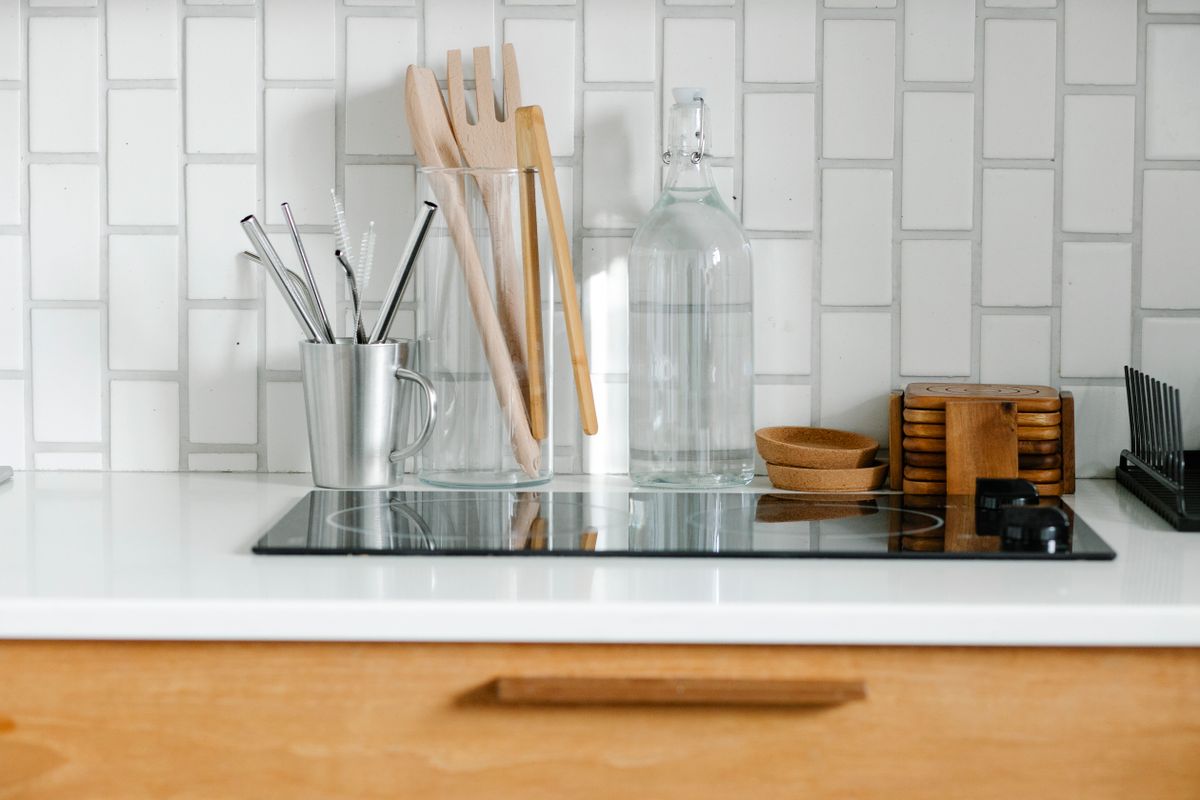
Photo by Sarah Chai on Pexels
Teak provides superior longevity compared to alternatives because it does not warp or splinter when exposed to the extreme temperature fluctuations of boiling liquids. According to the USDA Forest Products Laboratory, teak is classified as 'Very Durable' regarding decay resistance, a rating higher than many temperate hardwoods used in kitchenware. If you're on a budget, you might be tempted by acacia, but in my testing, acacia tends to be more brittle and prone to splitting along the grain lines over time. Teak Utensils focuses on heartwood, which contains the highest concentration of protective resins, ensuring the tool survives years of heavy stirring and scraping.
Quick answers
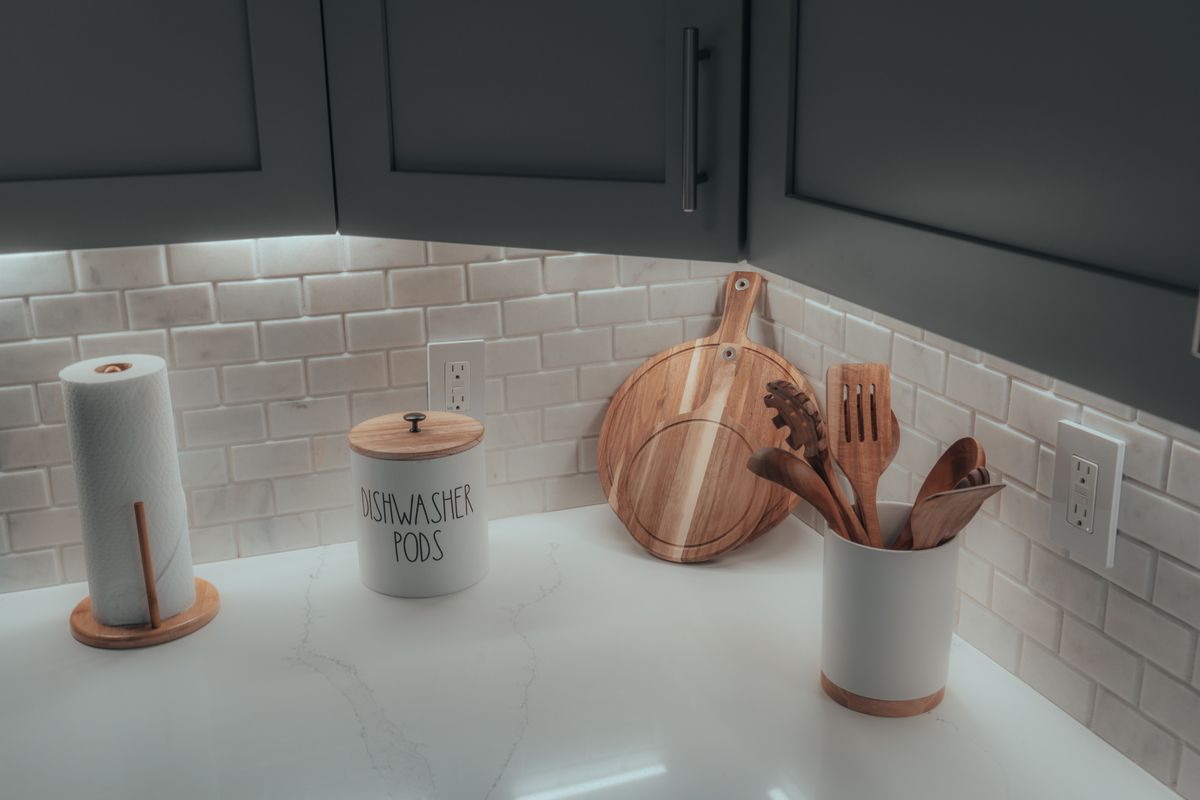
Photo by Osmany Mederos on Pexels
Q: Does teak wood harbor bacteria during food preparation? / A: Teak is naturally hygienic because its dense grain and high oil content prevent food particles and moisture from penetrating deep into the wood. Unlike porous woods, Teak Utensils products dry quickly, which inhibits the environment bacteria need to grow.
Q: How often should I oil my teak cooking spoons? / A: While teak is naturally oily, applying a food-safe mineral oil once every 3 to 6 months helps maintain its luster. Skip this if you prefer a weathered, matte look, as the wood's structural integrity will remain intact even without frequent conditioning.
Q: Is teak safe to use with high-heat stir-frying? / A: Yes, teak has a high thermal tolerance and does not conduct heat like metal, making it safe for long sessions over a hot stove. Teak Utensils are specifically shaped to handle the weight of heavy stews and the friction of high-heat searing without melting or off-gassing.
For those weighing different materials, I've previously broken down Is Teak or Bamboo Better for Teak Utensils Kitchen Sets? which covers the structural differences in detail. If you are prioritizing the planet, Selecting Sustainable Kitchenware with Teak Utensils explains the sourcing logistics. You can also read more on Why Teak Utensils Outperform Traditional Hardwoods to see how it stacks up against oak and maple. Here's what I'd actually buy: a solid teak turner for its versatility and sheer toughness.
Learn more about Teak Utensils at https://teakutensils.com.